Daphnia vs moina: what you are actually buying in South Africa
If you have ever bought “daphnia” from a South African shop, breeder or Gumtree seller, there is a good chance you went home with moina. This is not a scam and it is rarely even mentioned — the two animals are close cousins, the names are used interchangeably in the hobby, and for feeding fish the swap usually works in your favour. But they are not the same animal, and culturing them as if they were is where a lot of “my daphnia culture died” stories begin. We sell moina, labelled as daphnia (moina), and this is the honest difference.
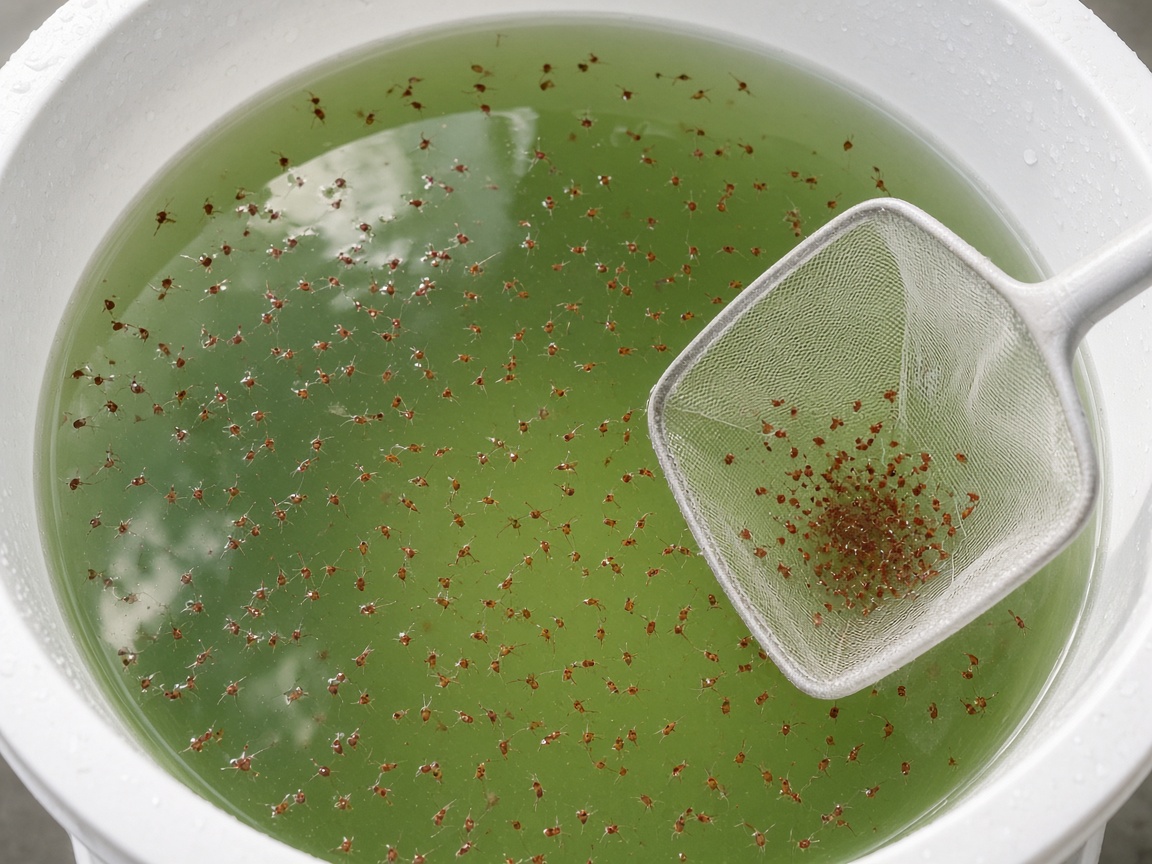
The size difference is the big one
True daphnia — usually Daphnia magna in the overseas guides — is a big water flea: adults run 2–5 mm. Moina adults are ±1–1.5 mm, with newborns smaller still. That sounds like a downgrade until you look at the fish most of us feed: guppy and tetra fry, rasboras, scarlet badis, pipefish, pea puffers and young fish of almost every kind cannot do much with a 4 mm Daphnia magna, but they hunt 1 mm moina all day. If your fish are small — and most aquarium fish are — moina is not the budget substitute. It is the right size.
Temperature: the culture advice that actually differs
Daphnia magna is a cold-temperate animal and the classic advice (18–24 °C) comes from European and American basements. Moina is a warm-water animal: it cultures at 20–30 °C and reproduces fastest at 24–28 °C. In a South African room, garage or fish room, that is not a heating bill — that is just Tuesday. It is also why imported “daphnia care” advice disappoints local keepers: a moina tub kept at daphnia temperatures in a cold Cape Town winter room simply slows down and looks like it is failing.
Speed: moina out-breeds daphnia — and crashes faster
- Moina reach breeding age in days and can double a culture startlingly fast in warm, well-fed water.
- That speed is also the risk: a moina culture booms and crashes on a shorter cycle than daphnia, so harvest regularly and always keep a second tub.
- Moina tolerate denser cultures and lower oxygen than Daphnia magna, which is why they suit buckets and tubs rather than ponds.
- Both eat the same foods: green water first prize, then yeast or spirulina, little and often.
So which should you buy?
For big fish, koi ponds and anyone following a European daphnia recipe to the letter, true daphnia has its place — and in South Africa it is genuinely hard to find, which is part of how the names blurred. For fry, nano fish and warm rooms, buy moina and culture it as moina: warm, fed little and often, harvested regularly, backed up by a second tub. Just insist on knowing which animal you are getting — a shop that tells you plainly (as we try to) is a shop whose culture advice you can trust to match the animals in the tub.