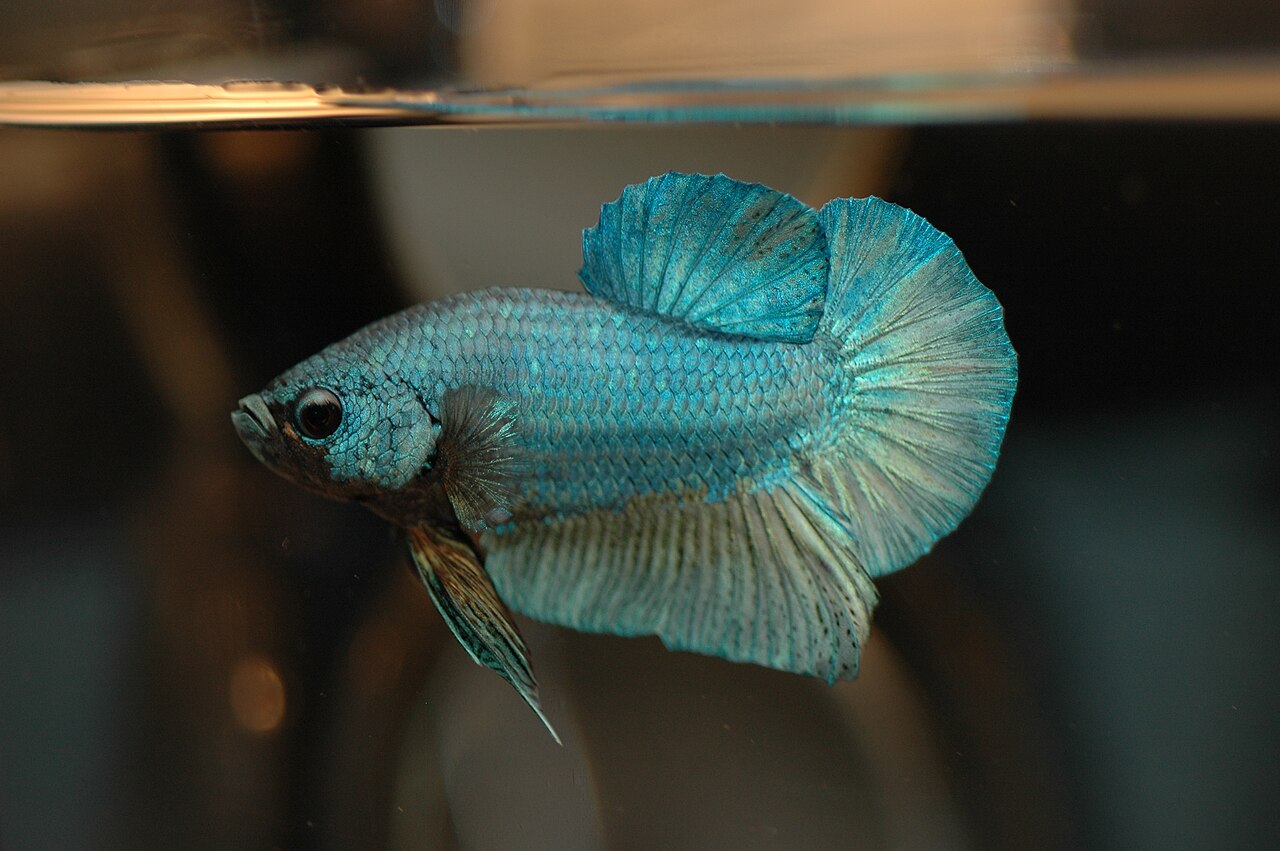
Live food for bettas
Wild bettas hunt insect larvae and tiny crustaceans all day, so live food is not a garnish for them — it is the closest thing to a natural diet.
Start with: Daphnia (Moina) · Grindal Worms
Live food by fish
Search “live food for…” and you get a generic list. These pages are specific: a stage-by-stage feeding plan for each fish, the exact cultures to start, and the mistakes that starve fry or fatten adults.
Wild bettas hunt insect larvae and tiny crustaceans all day, so live food is not a garnish for them — it is the closest thing to a natural diet.
Start with: Daphnia (Moina) · Grindal Worms
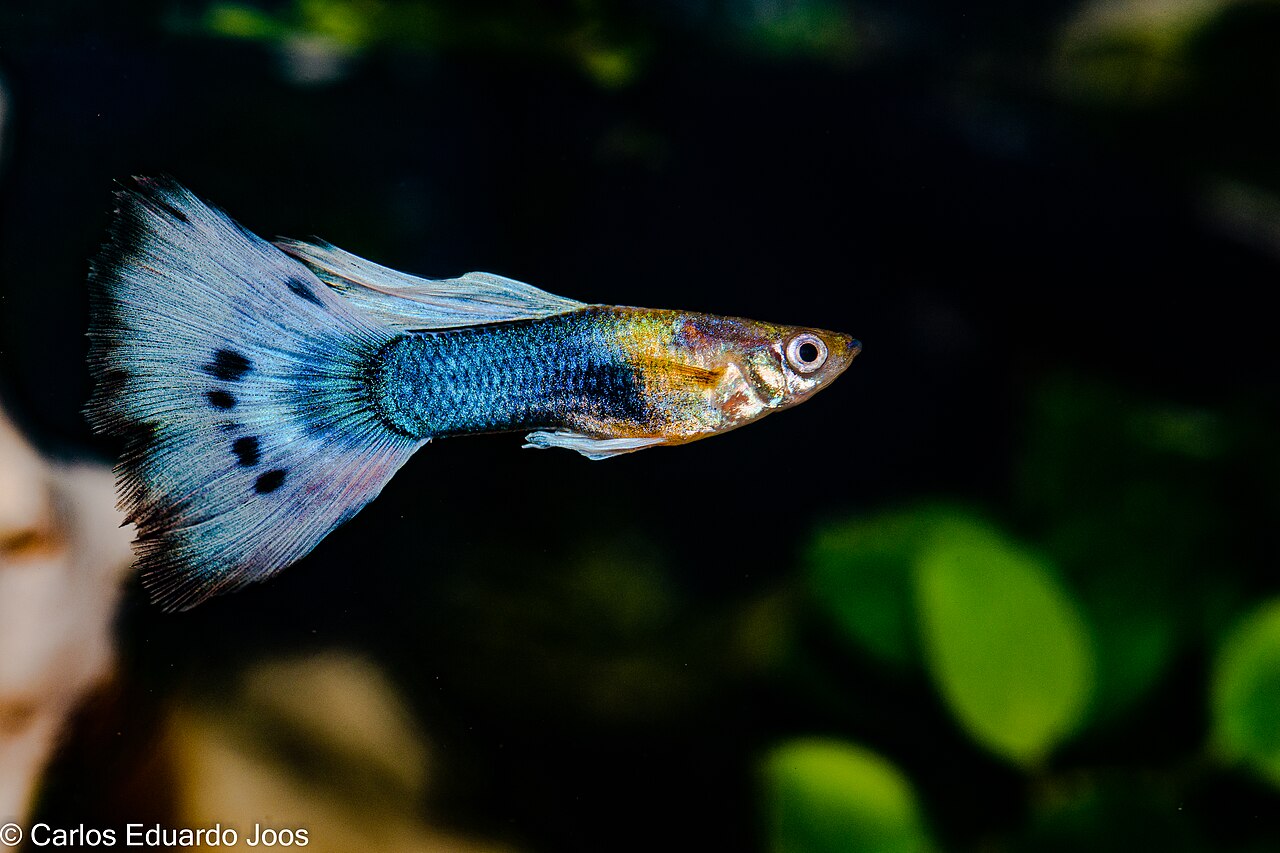
Guppies are grazers and opportunists — in a tank with live daphnia they hunt and pick all day, the way they are built to feed.
Start with: Daphnia (Moina) · Grindal Worms
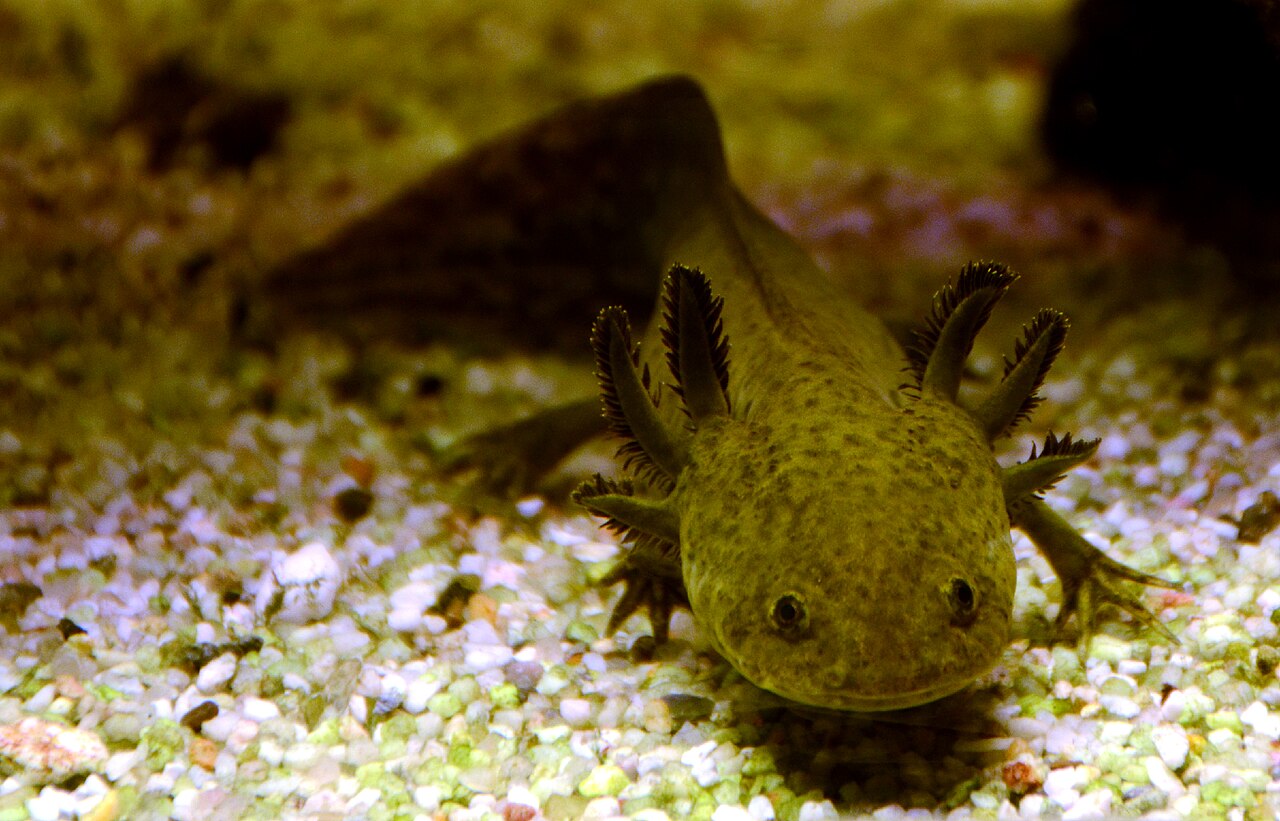
Young axolotls only snap at food that moves — live food is not optional for larvae, it is what triggers feeding at all.
Start with: Daphnia (Moina) · Microworms
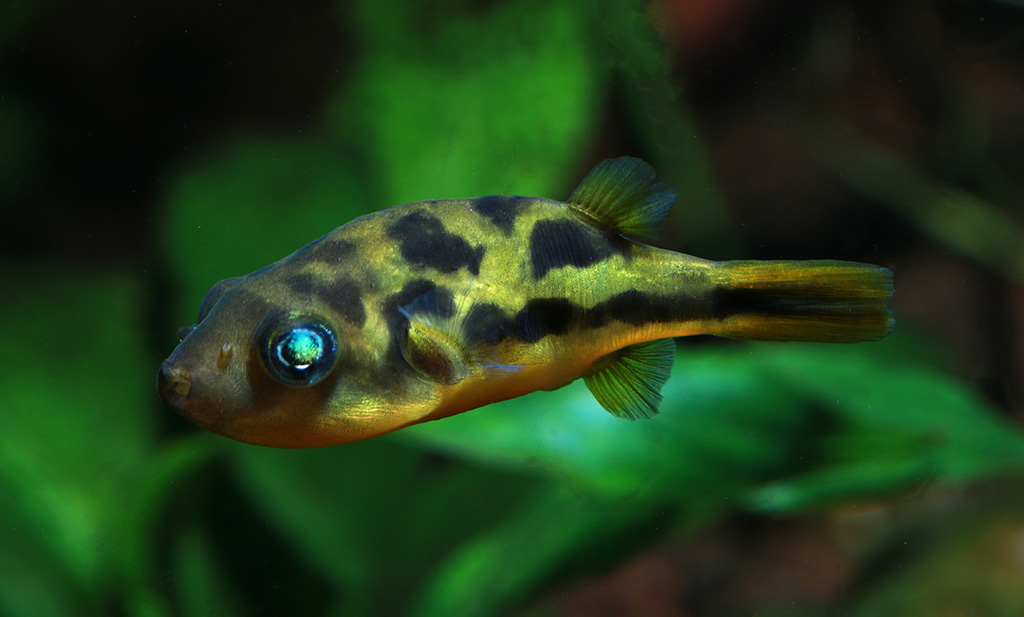
Pea puffers are micro-predators: many individuals simply do not recognise pellets as food.
Start with: Daphnia (Moina) · Grindal Worms
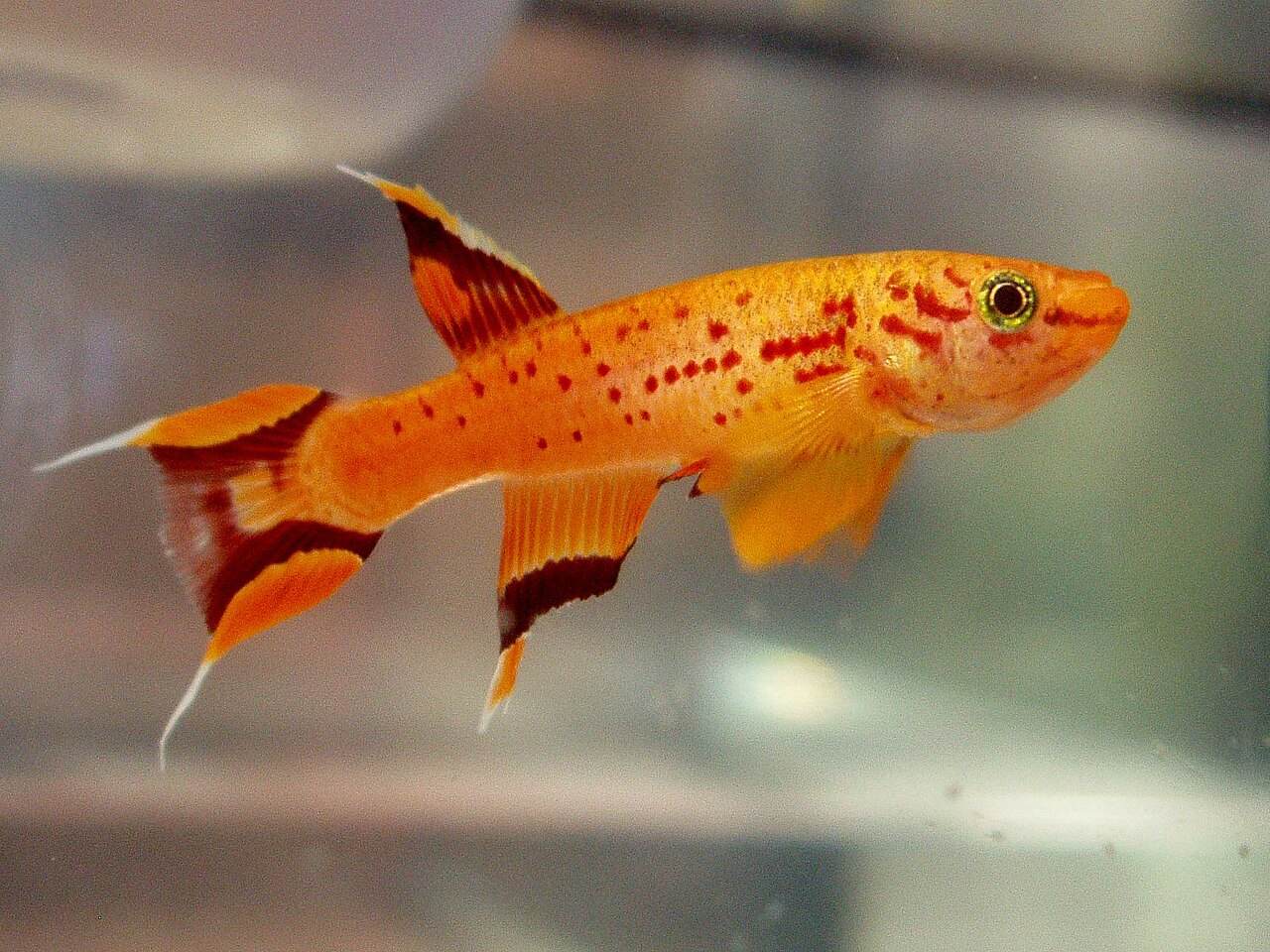
Many killifish only really thrive — and spawn — on live food; some species barely look at dry food at all.
Start with: Daphnia (Moina) · Grindal Worms
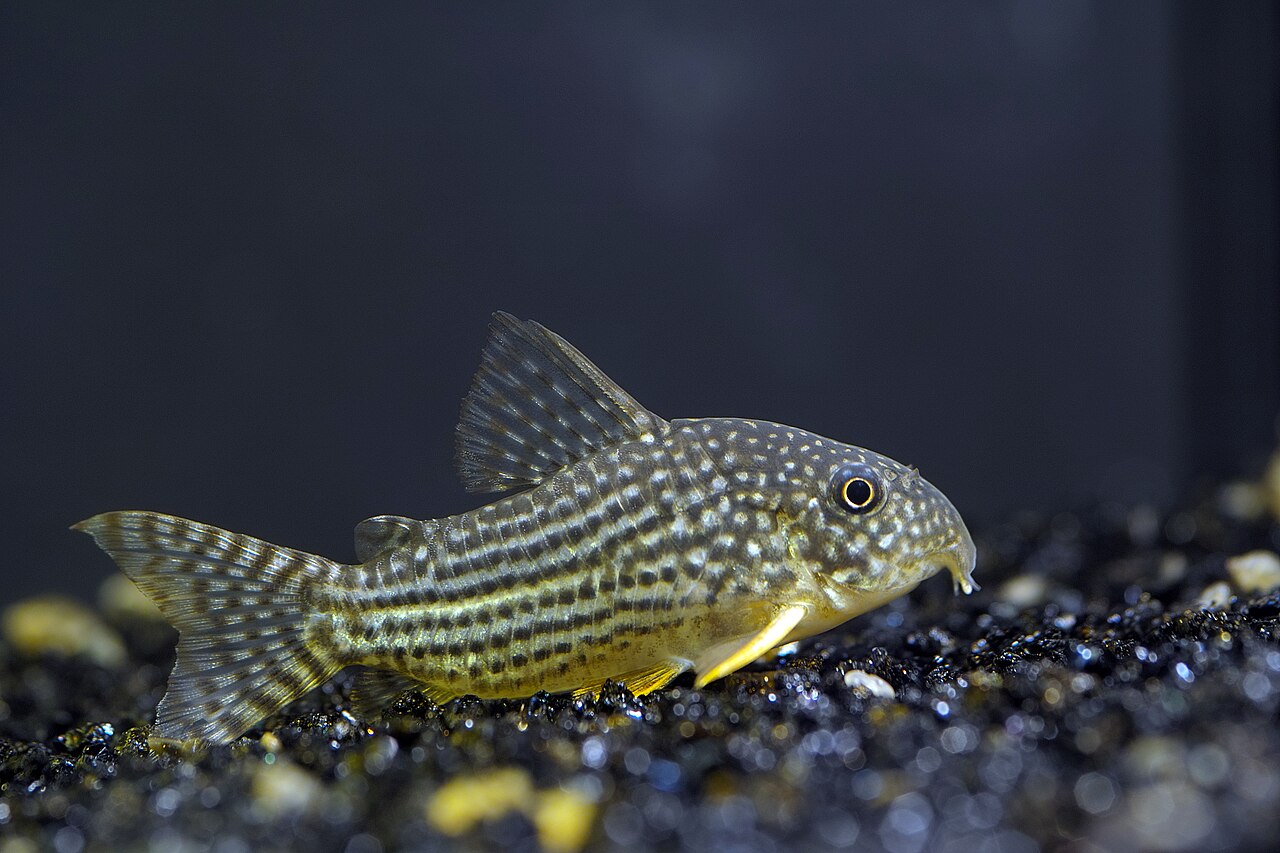
Corydoras spend their lives sifting the bottom for worms and tiny crustaceans — live food that reaches the substrate is what they are built for.
Start with: Microworms · Grindal Worms
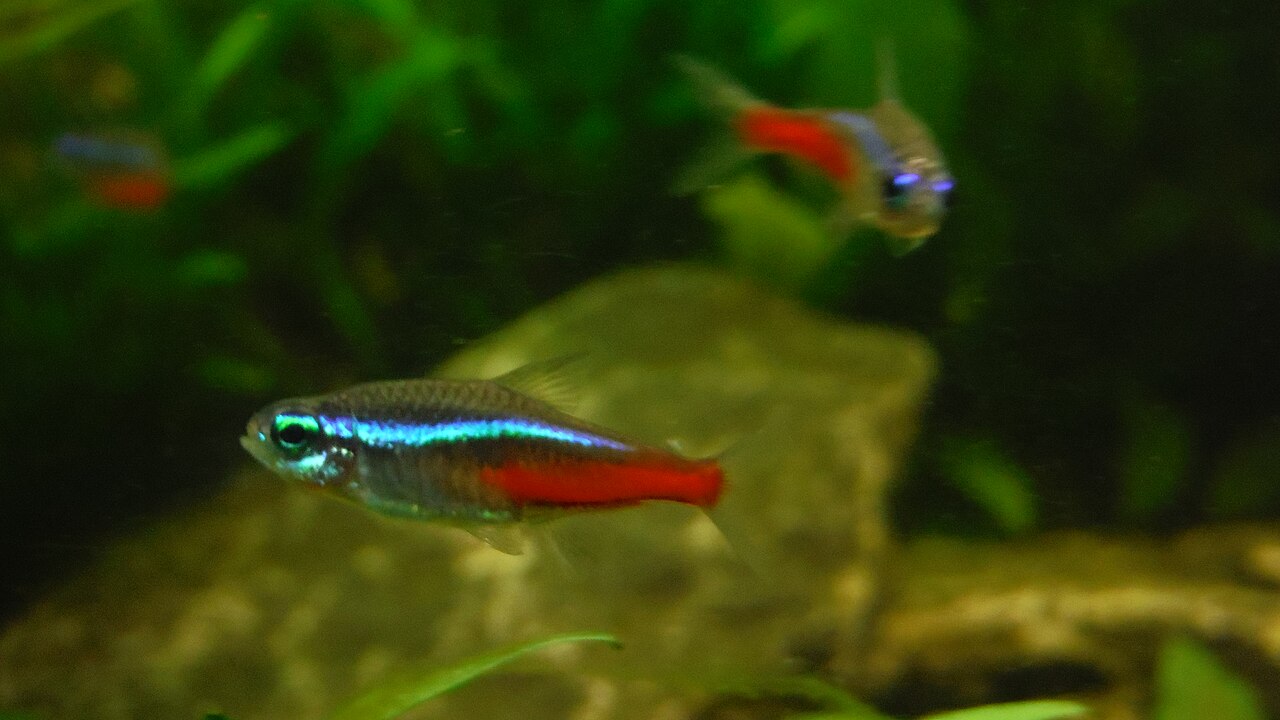
Tetras span the hardest feeding problem in the hobby — neon-sized fry that hatch almost microscopic — and one of the prettiest payoffs: adults in full colour on live food.
Start with: Vinegar Eels · Banana Worms
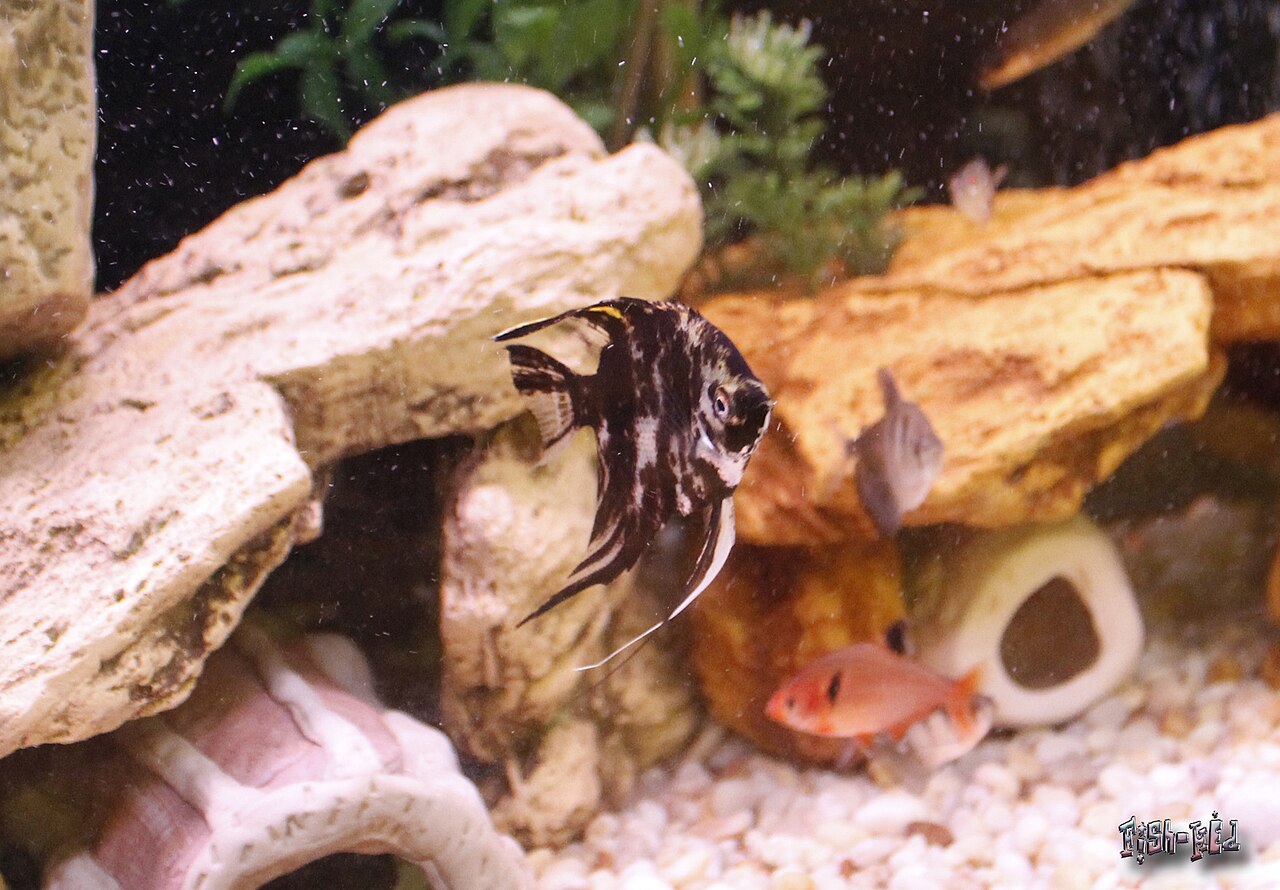
Angelfish fry are bigger than tetra fry, which makes them one of the easier egg-layers to raise on cultured food: microworms bridge the first week, daphnia powers growth, and grindal worms condition the parents that started it all.
Start with: Microworms · Daphnia (Moina)
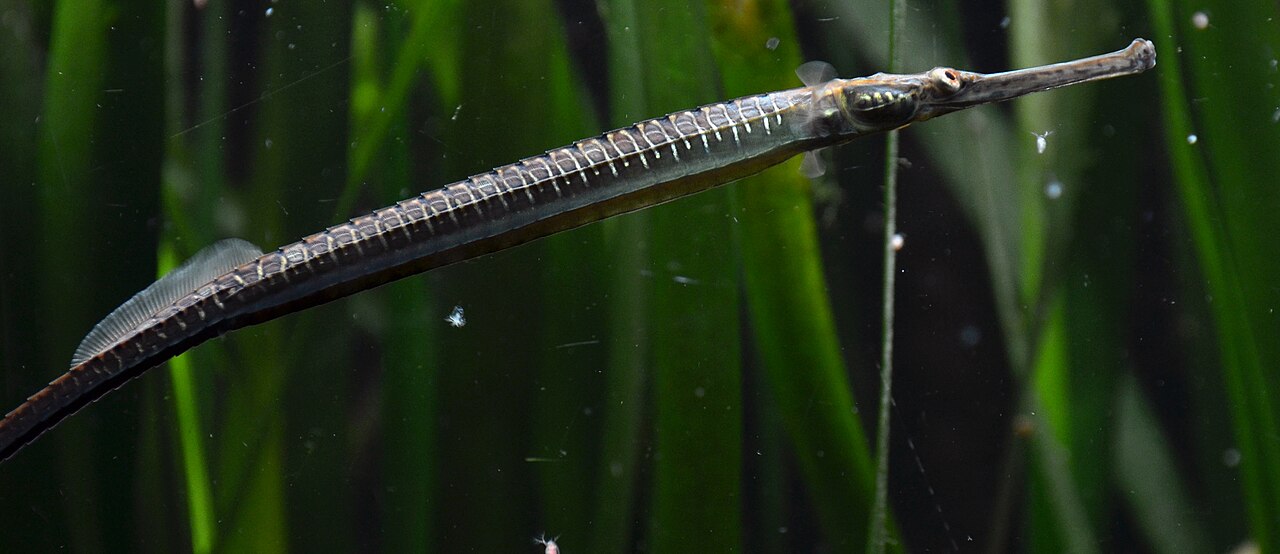
Pipefish are the fish that make live food non-negotiable.
Start with: Daphnia (Moina) · Microworms
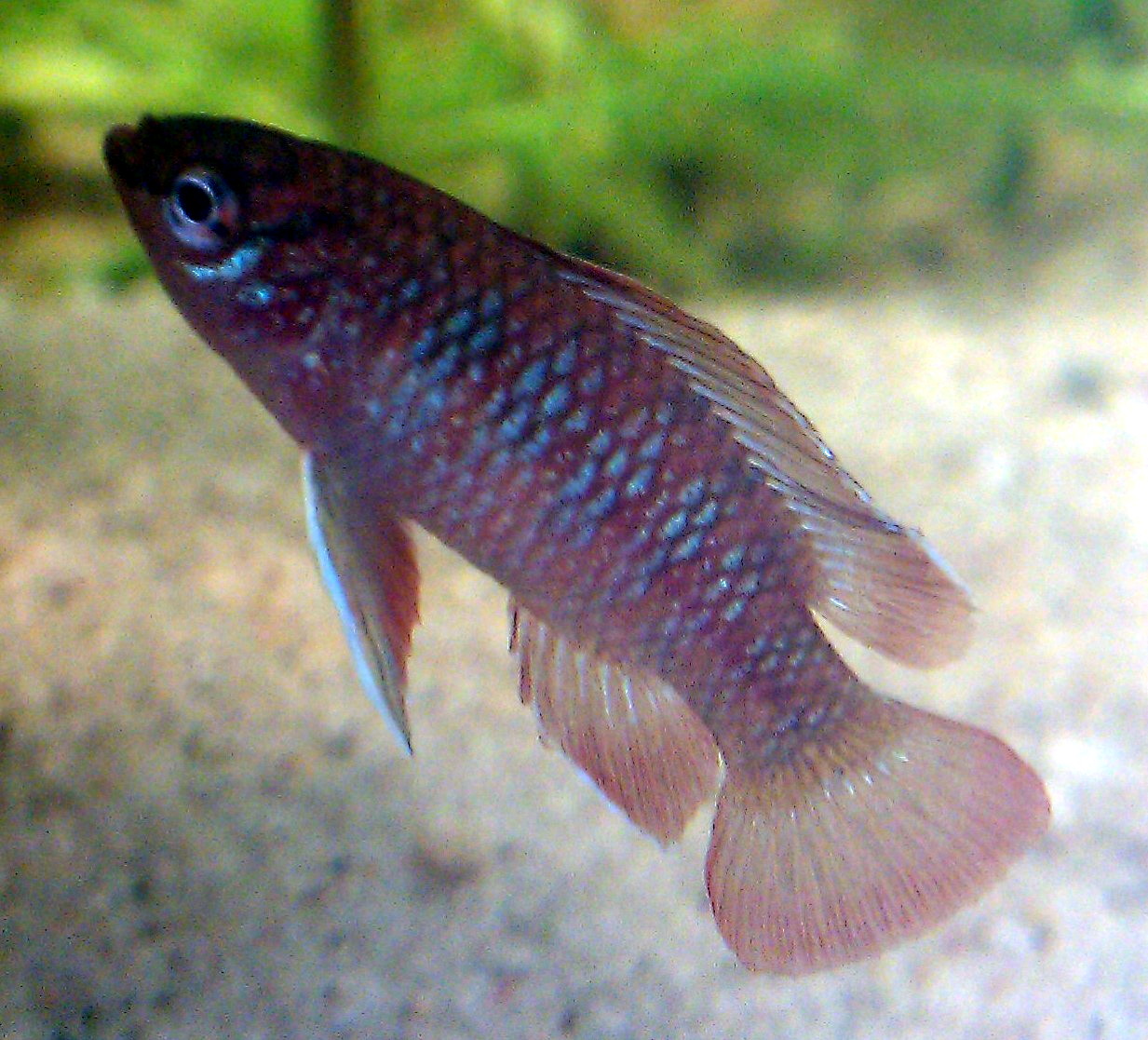
Scarlet badis are 2 cm predators in a nano fish body — and the internet’s most-asked badis question is some version of “why won’t it eat?” The usual answer is that the tank offers flakes to a fish that evolved to pick tiny living worms and crustaceans out of leaf litter, one at a time.
Start with: Microworms · Daphnia (Moina)
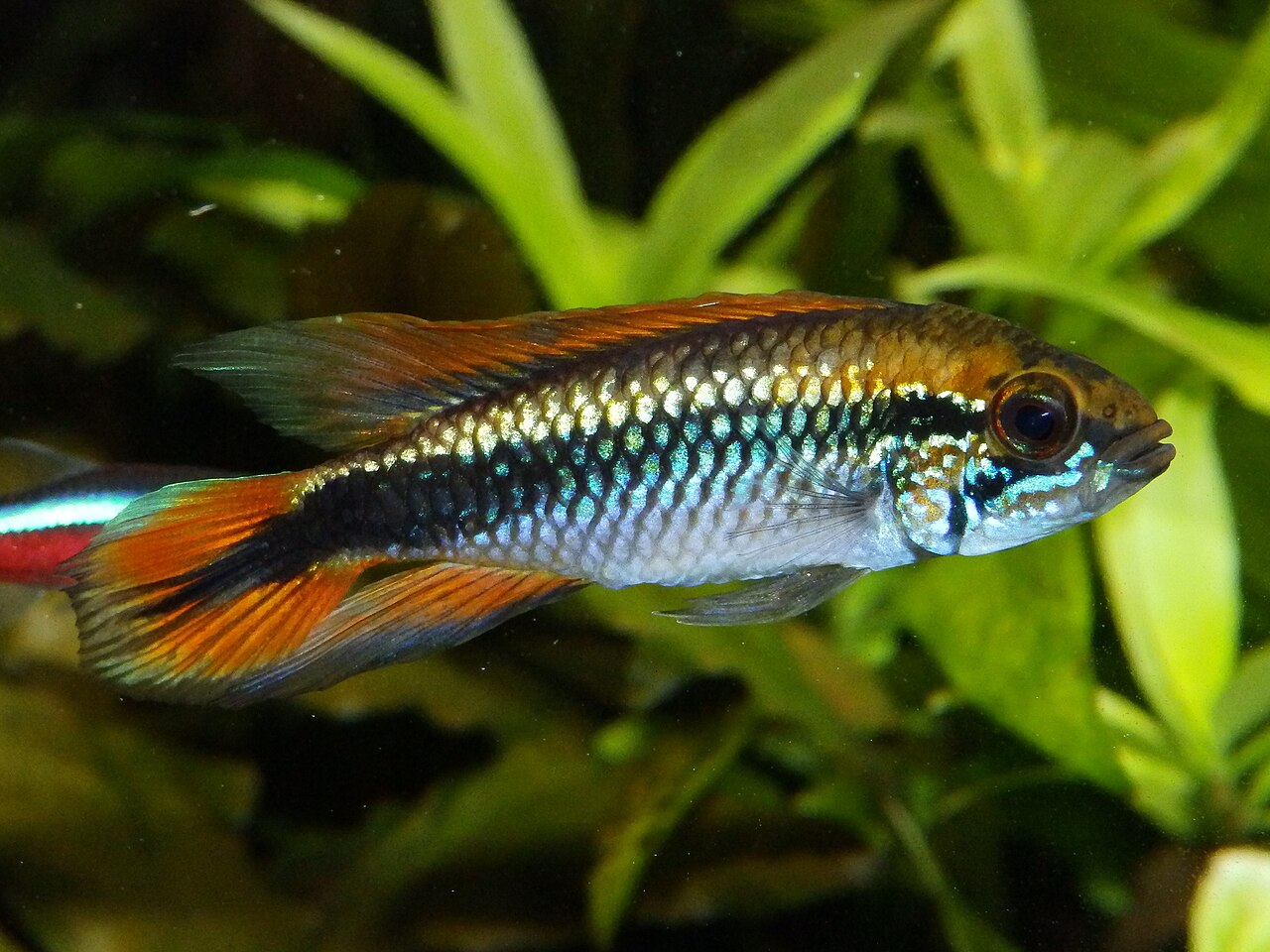
Dwarf cichlids reward live food twice: once in the breeding cave, where conditioned pairs spawn more readily and more often, and again in the fry tank, where the difference between microworms ready on day one and “whatever was in the cupboard” is usually the difference between a grow-out tank and an empty one.
Start with: Microworms · Vinegar Eels
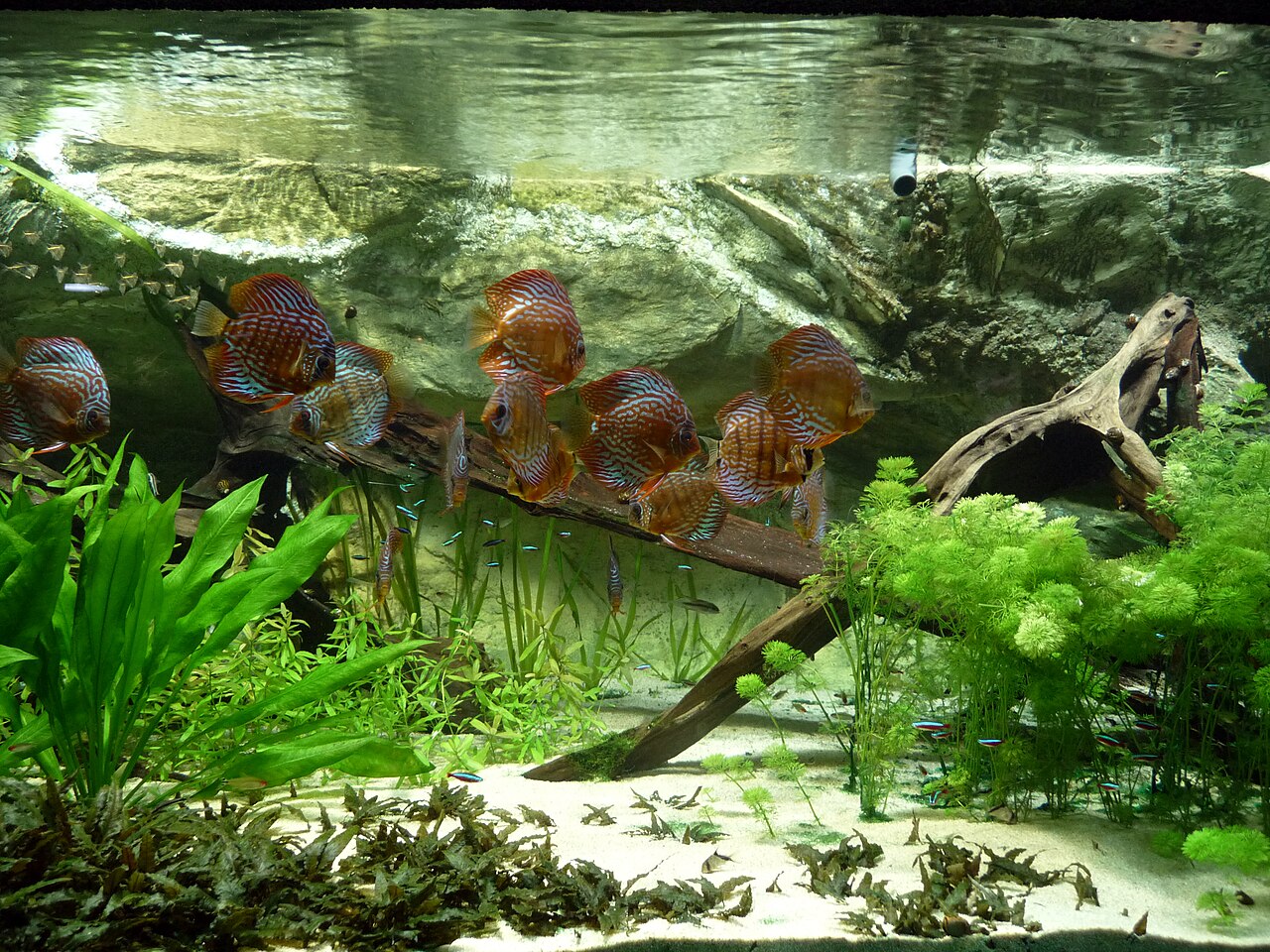
Discus keepers are rightly careful about what goes into the tank — and live food earns its place anyway.
Start with: Daphnia (Moina) · Blackworms
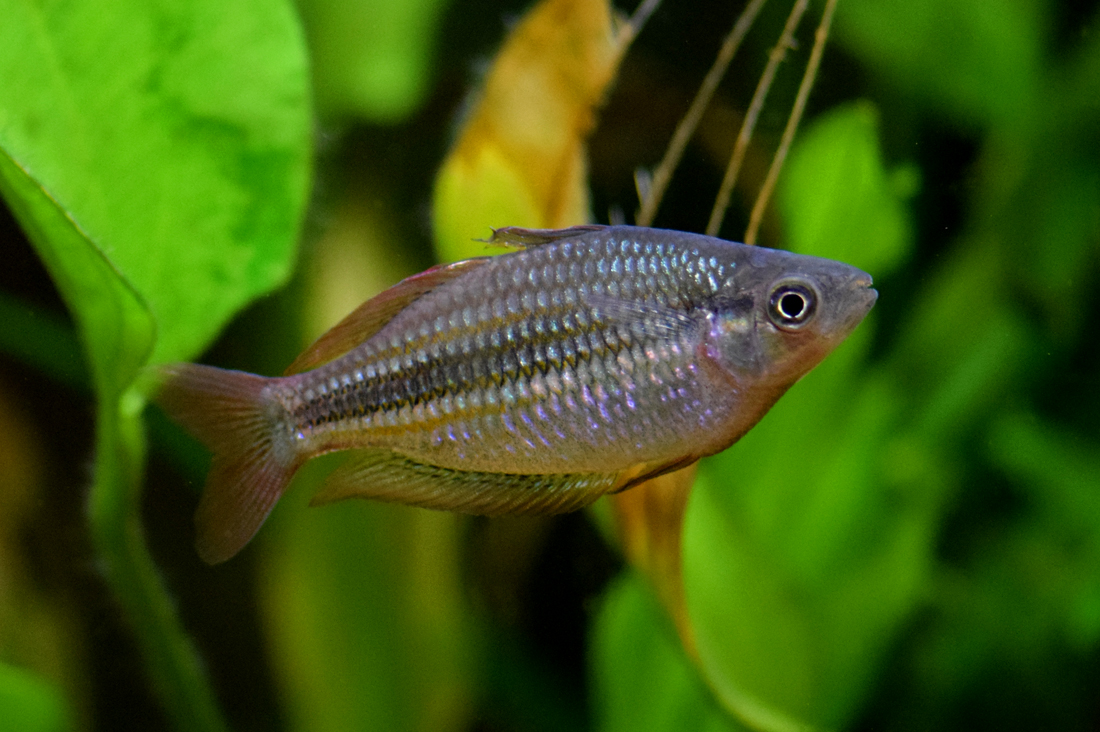
Rainbowfish fool breeders: the adults are hardy and greedy, but the fry hatch minuscule and grow slowly, spending their first weeks needing food barely bigger than infusoria.
Start with: Vinegar Eels · Banana Worms
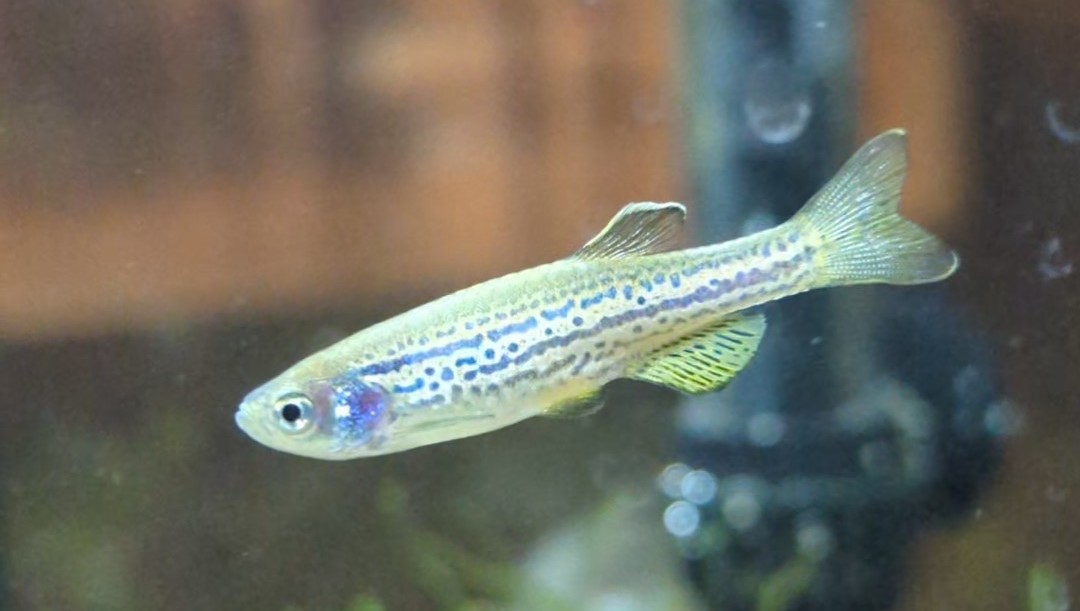
Danios breed so readily that most keepers raise their first fry by accident — and lose most of them the same way, because free-swimming danio fry are tiny and the parents are fast.
Start with: Microworms · Daphnia (Moina)
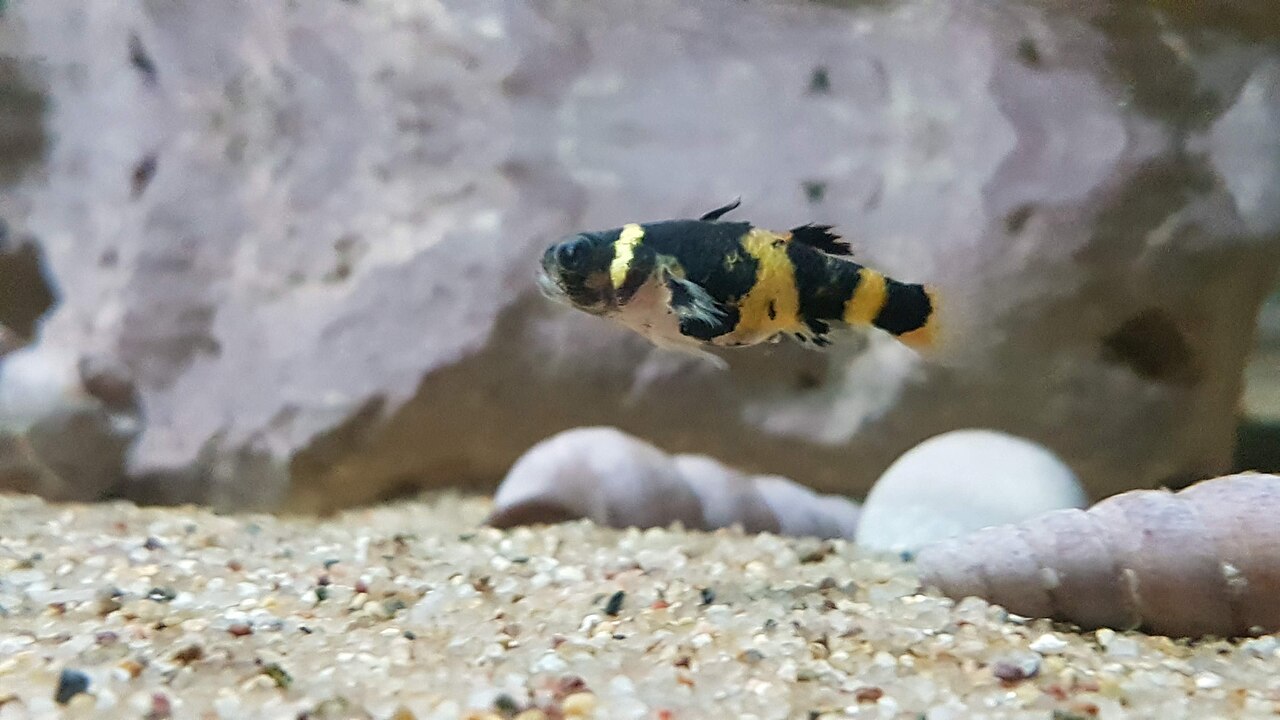
A bumblebee goby does not so much feed as hold a tiny territory and mug whatever wanders past.
Start with: Daphnia (Moina) · Grindal Worms
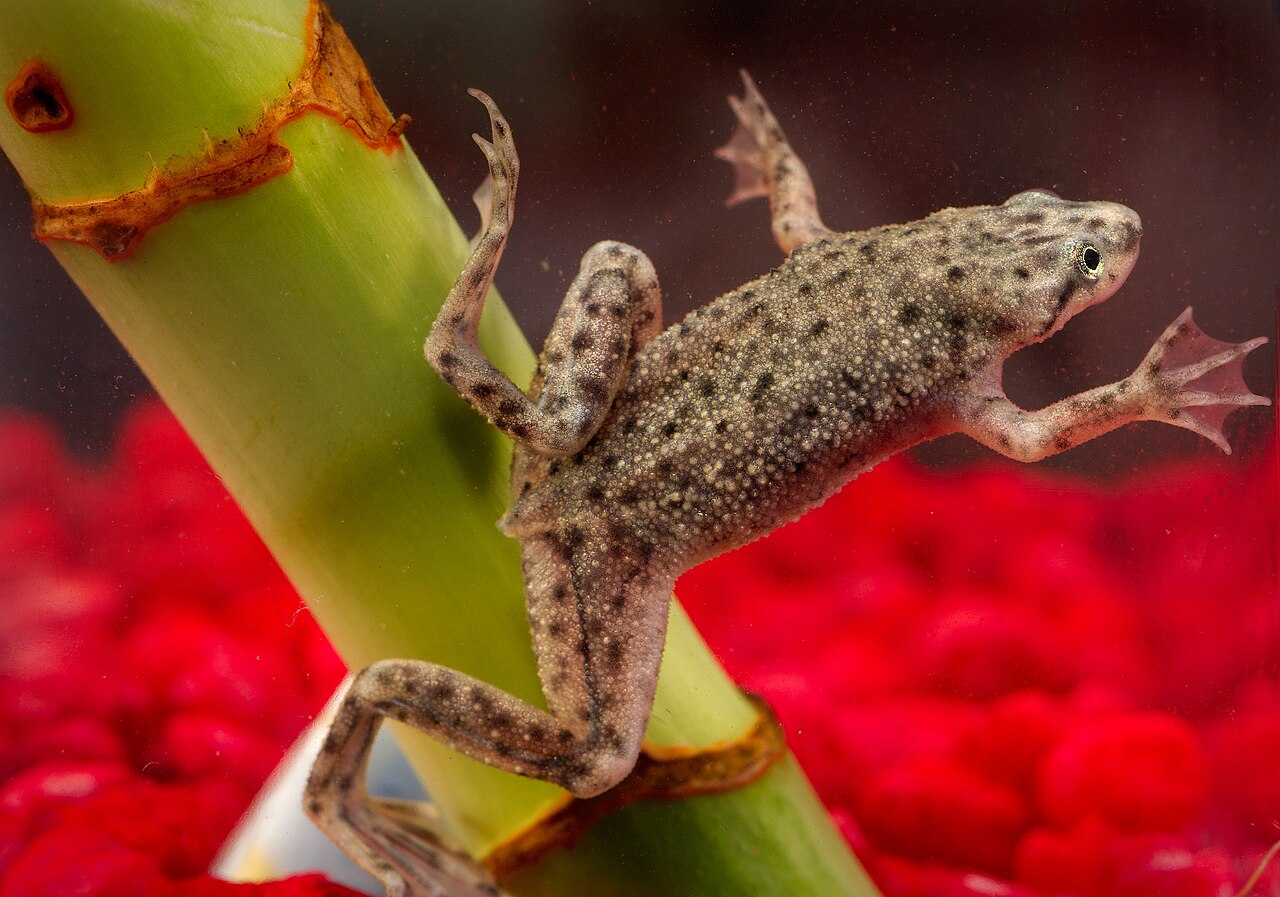
African dwarf frogs are not really aquarium “fish food” customers at all — they are nearly blind, fully aquatic frogs that find food by smell, slowly, on the floor of the tank.
Start with: Blackworms · Grindal Worms
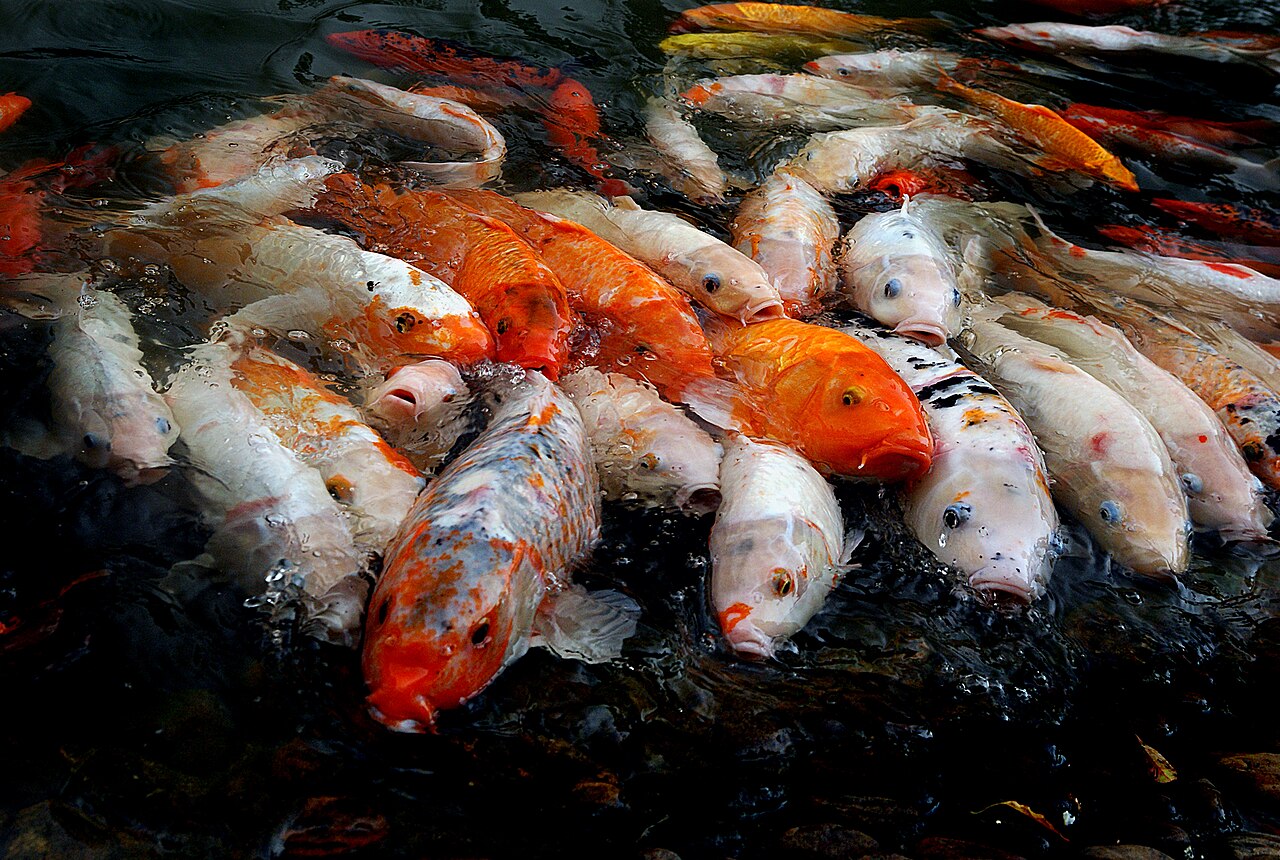
Every koi breeder knows the moment a spawn is won or lost: the first two weeks, when fry the size of eyelashes need water full of food their own size.
Start with: Daphnia (Moina) · Fry Starter Kit
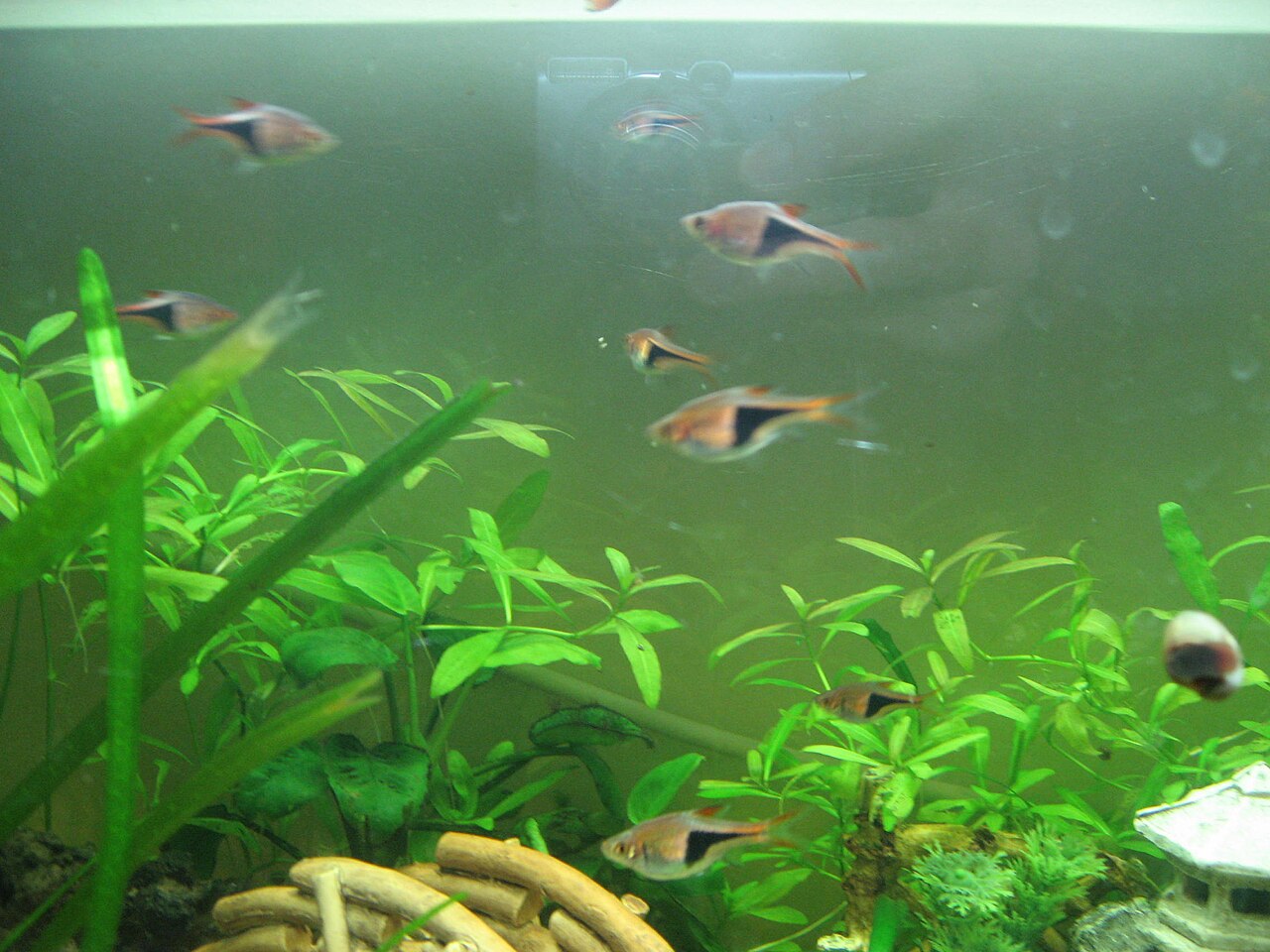
Rasboras are the nano-tank’s schooling fish — and nano mouths need nano food.
Start with: Daphnia (Moina) · Microworms
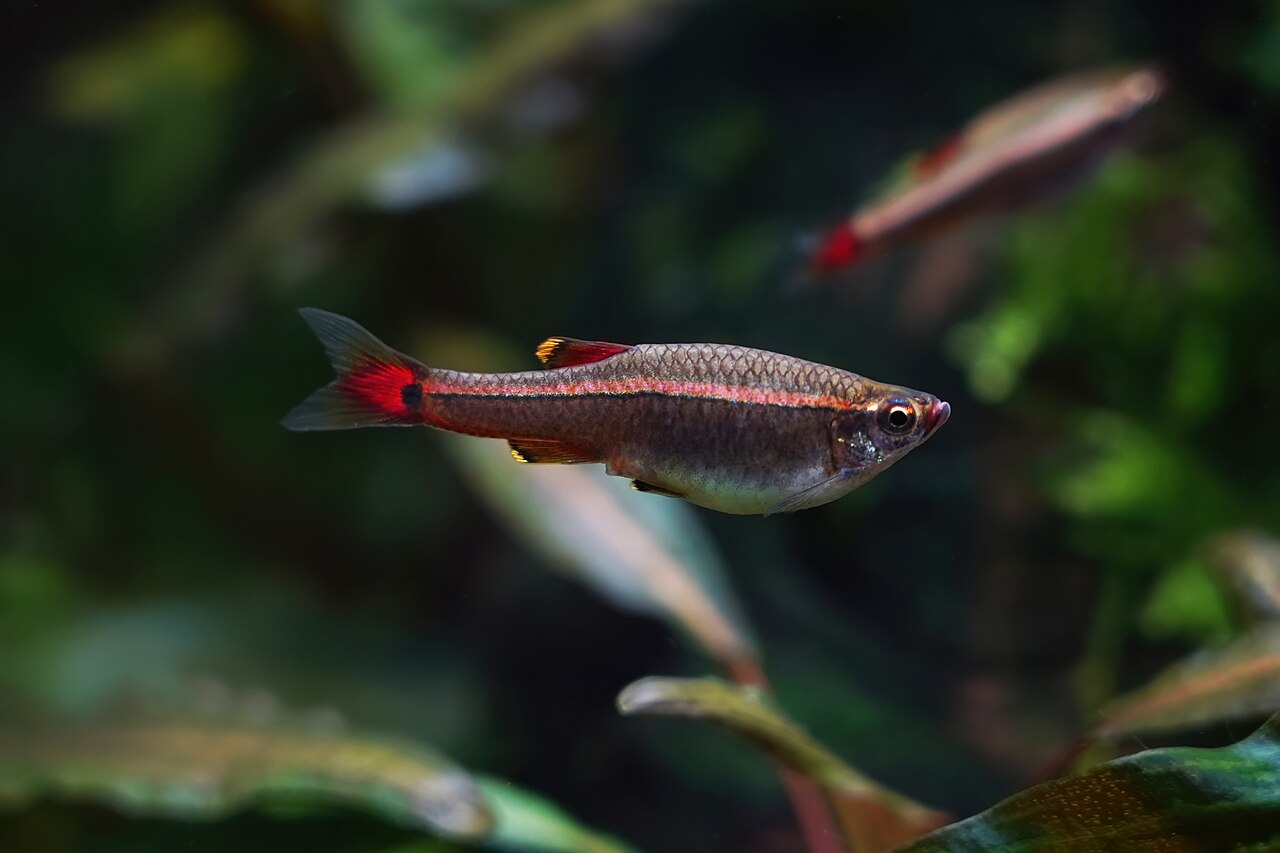
White clouds are the beginner’s fish that keeps on giving: hardy in cool water, peaceful, and happy from a nano tank to a patio pond.
Start with: Daphnia (Moina) · Microworms
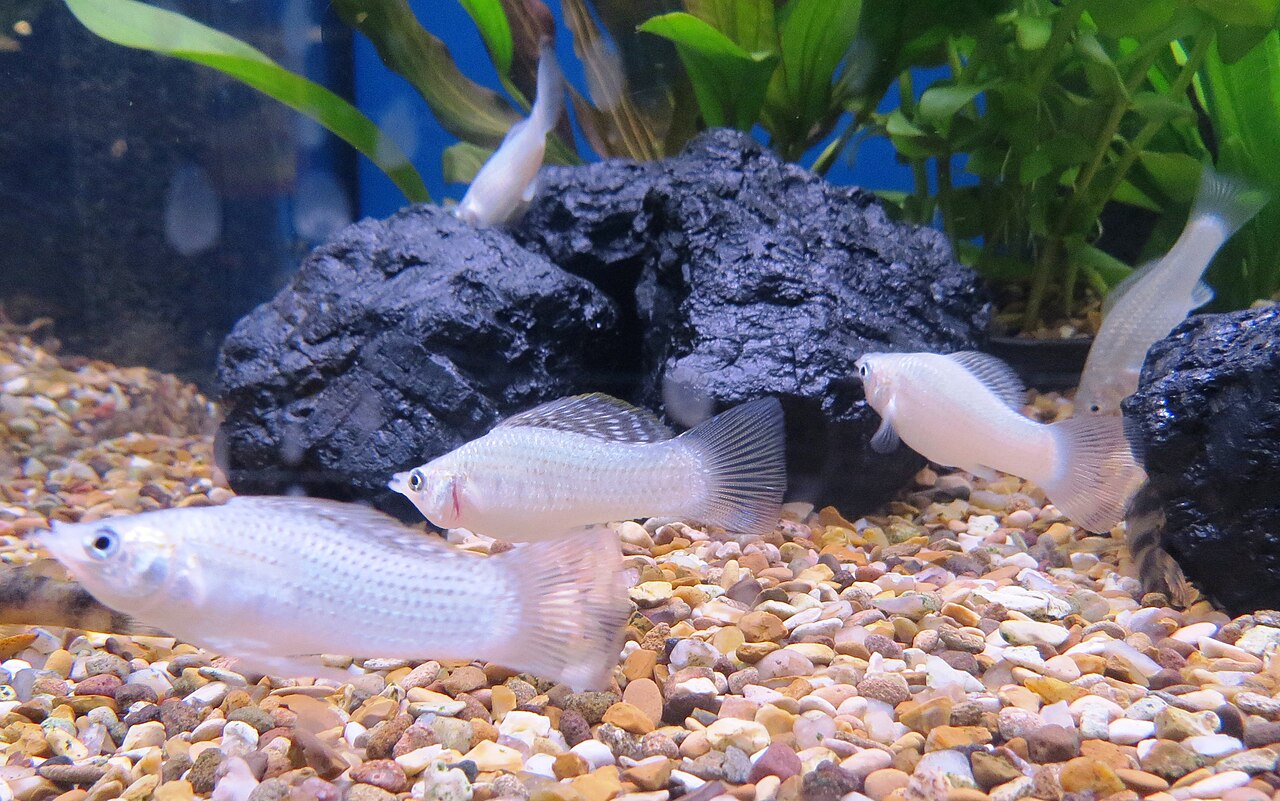
Mollies, platies and swordtails are the livebearers that fill community tanks — born free-swimming, hungry, and (if the adults have their way) lunch.
Start with: Daphnia (Moina) · Microworms
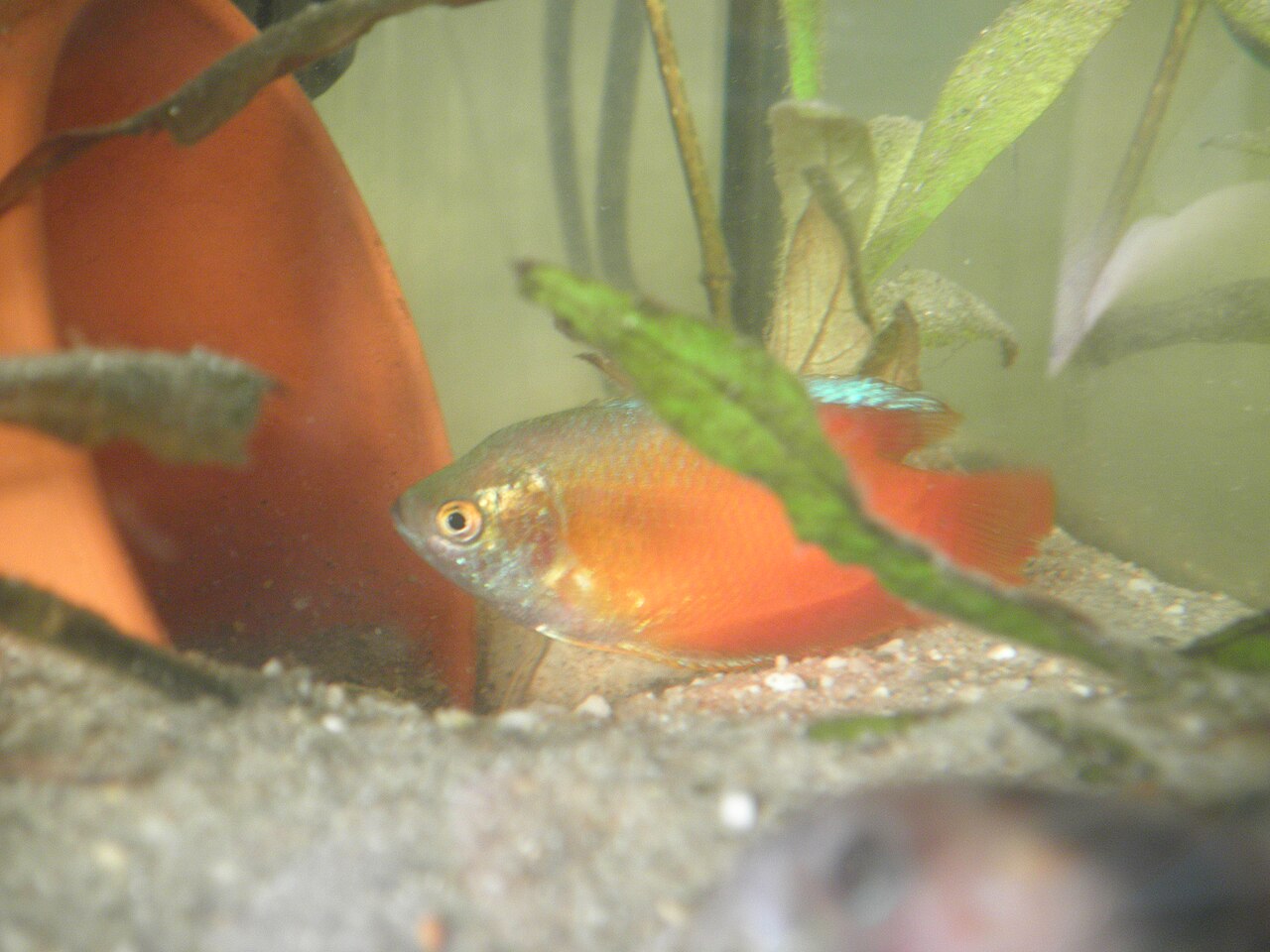
Gouramis are surface hunters built around insects and larvae that fall on the water — which is why a feed of daphnia scattered at the surface gets a dwarf or pearl gourami hunting like it means it.
Start with: Daphnia (Moina) · Grindal Worms
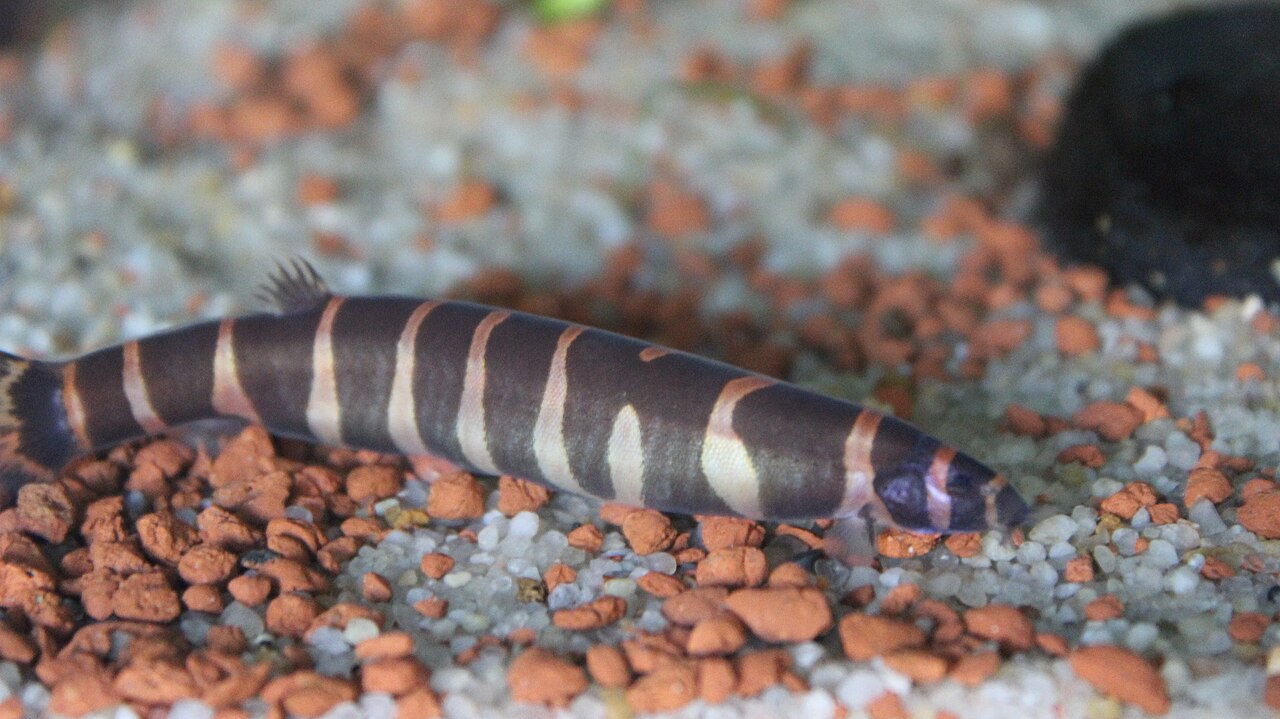
Loaches find food the way pigs find truffles: by smell, at the bottom, thoroughly.
Start with: Blackworms · Grindal Worms
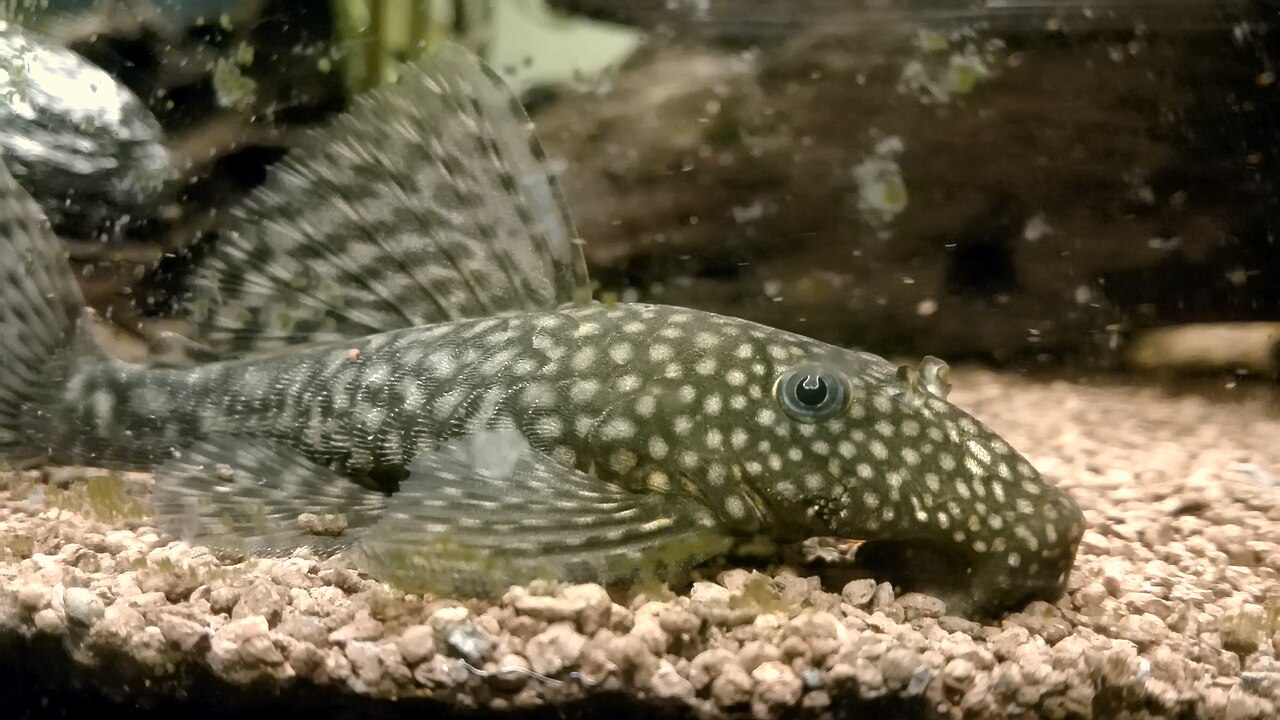
Honesty first: adult bristlenoses and most plecos are algae-and-wood grazers, and no worm culture replaces that.
Start with: Microworms · Grindal Worms
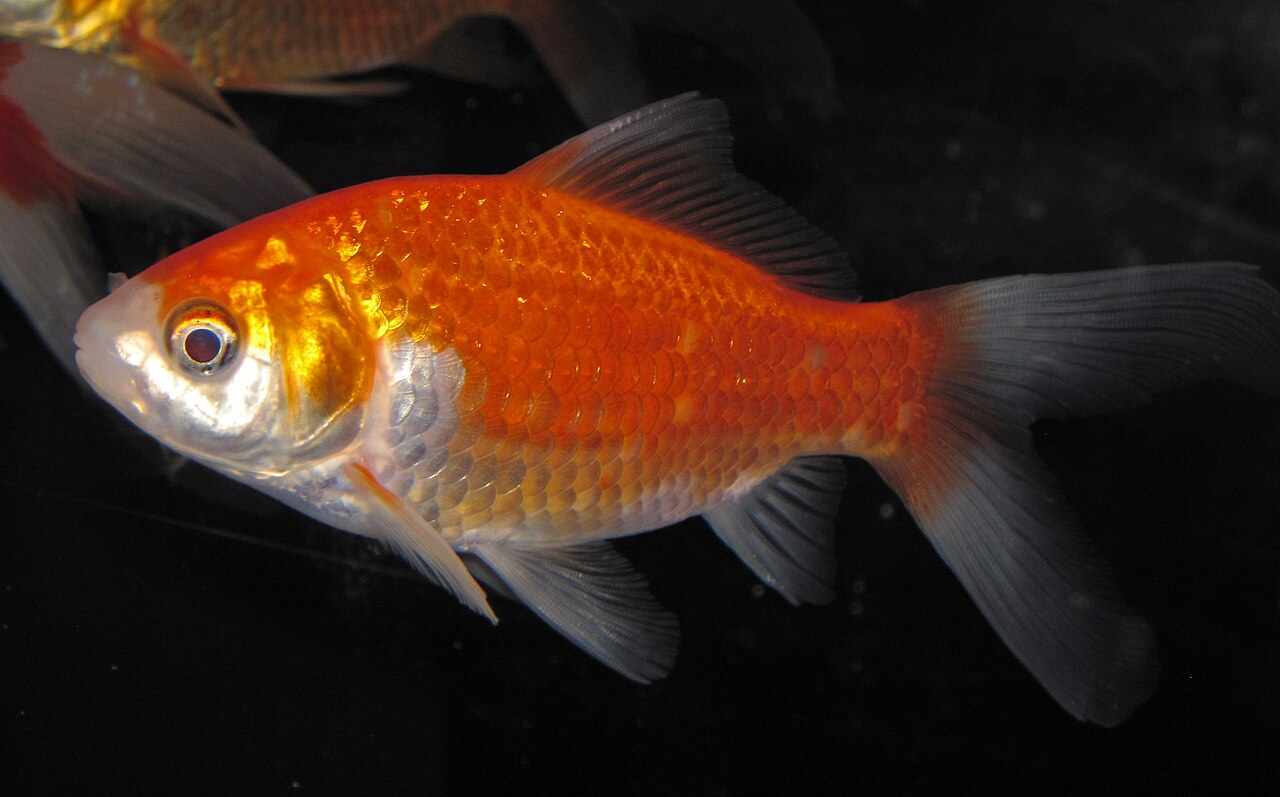
Goldfish and daphnia are the oldest pairing in the hobby — Victorian goldfish keepers cultured “water fleas” in horse troughs for exactly the reasons modern keepers do: nothing keeps a goldfish’s digestion moving like daphnia, and nothing grows goldfish fry like a tub of it.
Start with: Daphnia (Moina)
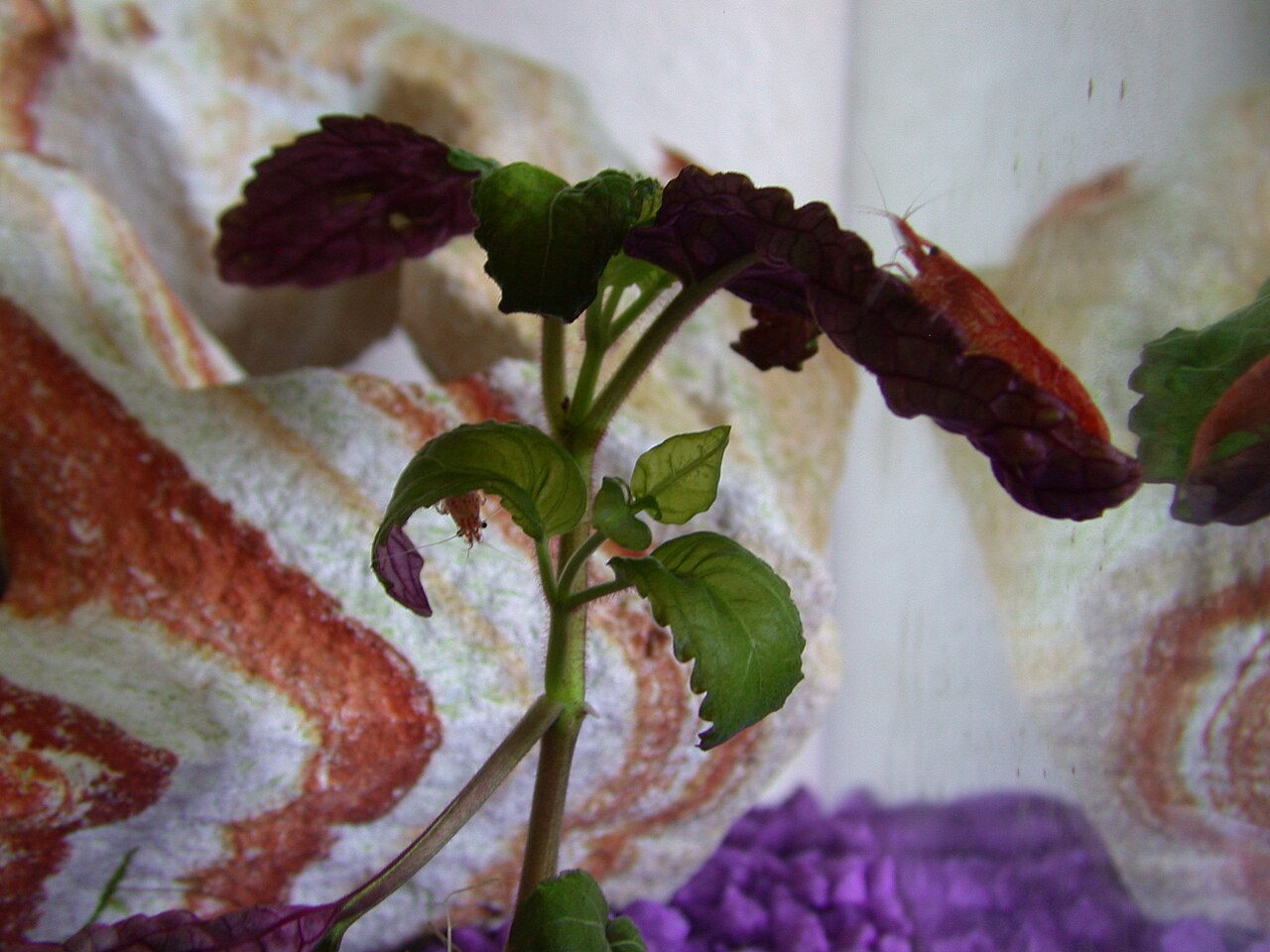
Shrimp are grazers and scavengers first — but watch a cherry shrimp colony hit a sprinkling of microworms and you will see the other half of their nature: they are opportunistic protein hunters that pick worms off one by one.
Start with: Microworms · Daphnia (Moina)
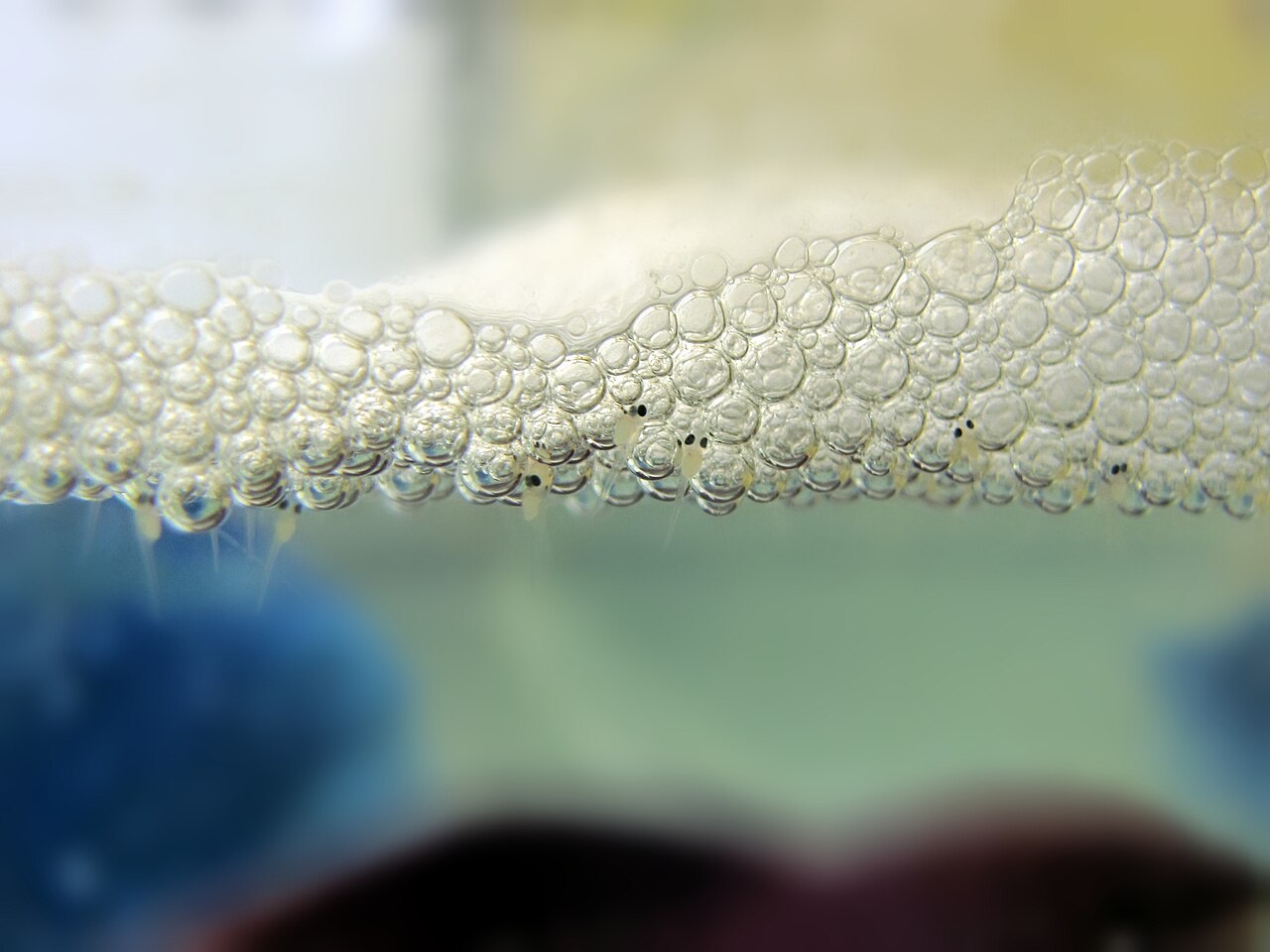
Betta fry are tiny — far smaller than guppy fry — and most first-week losses are fry starving next to food that is too big or does not move.
Start with: Vinegar Eels · Banana Worms · Microworms
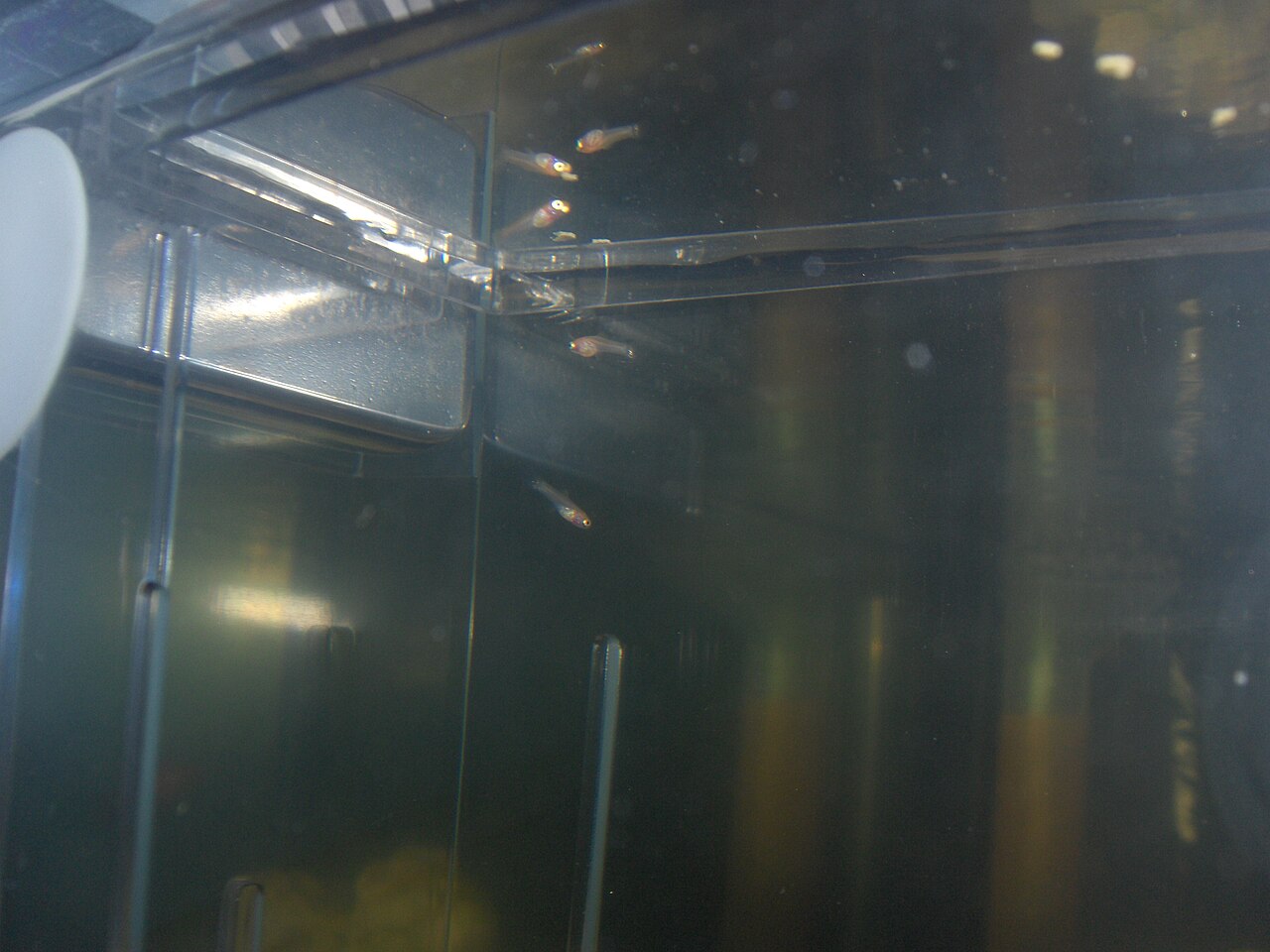
Guppy fry are born able to eat — but “able to eat crushed flake” and “growing fast and evenly” are different things.
Start with: Microworms · Vinegar Eels · Daphnia (Moina)
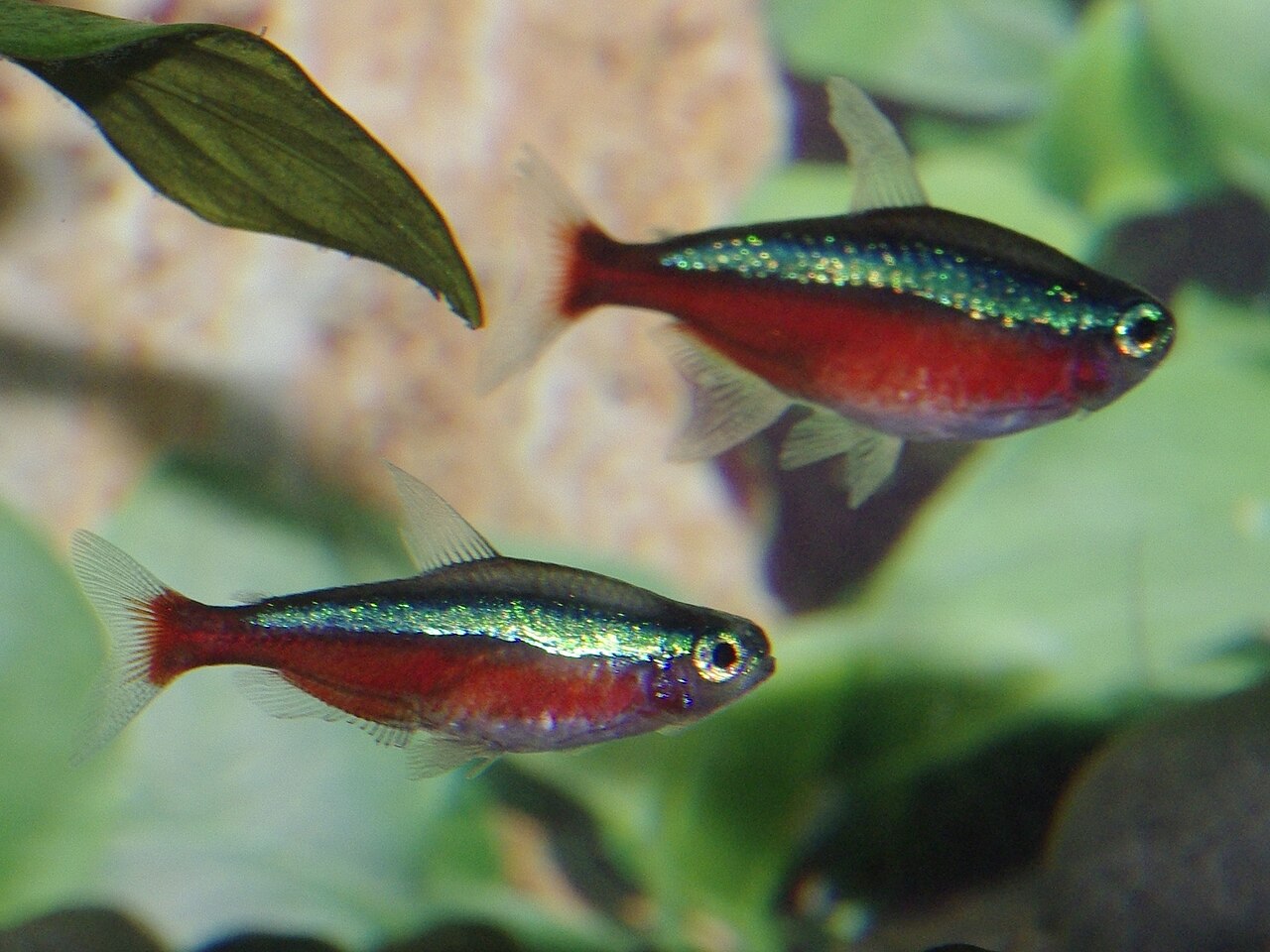
Tetra fry are where breeders learn humility: eggs hatch in a day or two into fry so small they are mostly eye, and most losses happen before the fry are big enough for anything you can buy in a tub labelled “fry food”.
Start with: Vinegar Eels · Banana Worms · Microworms
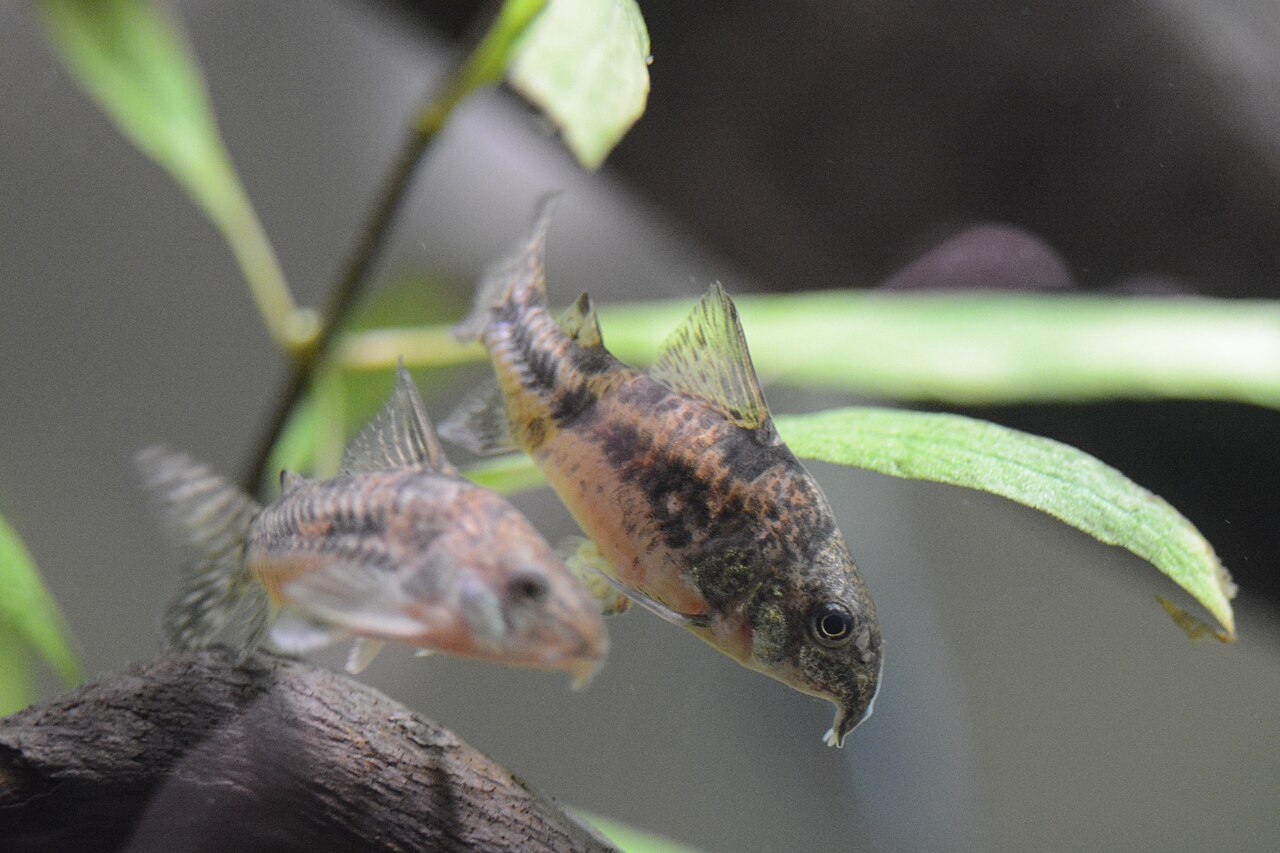
Corydoras fry simplify one thing and complicate another: they are bottom fish from their first free-swimming hour, so food must arrive on the floor — but they are also sturdier than most egg-layer fry and take microworms almost immediately.
Start with: Microworms · Banana Worms · Daphnia (Moina)
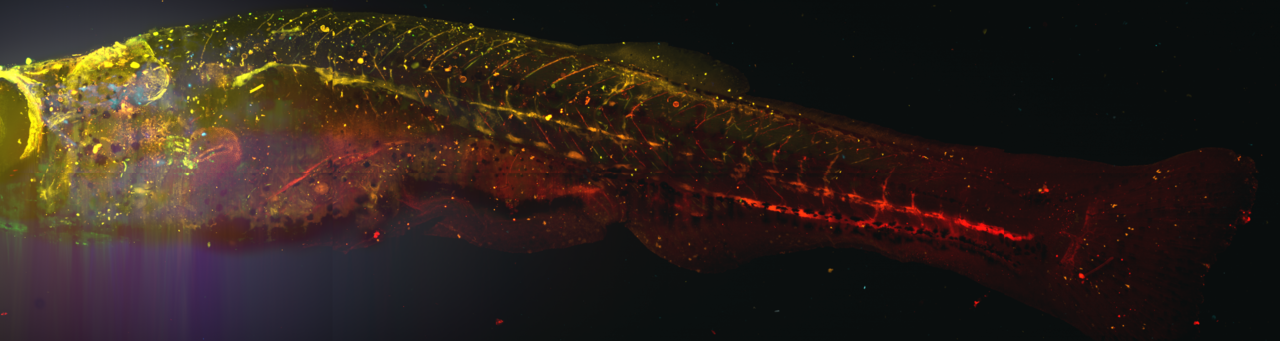
Danio fry run on fast-forward: eggs hatch in two to three days, fry are free-swimming almost immediately, and a culture started “when I see fry” is a week late.
Start with: Microworms · Vinegar Eels · Daphnia (Moina)
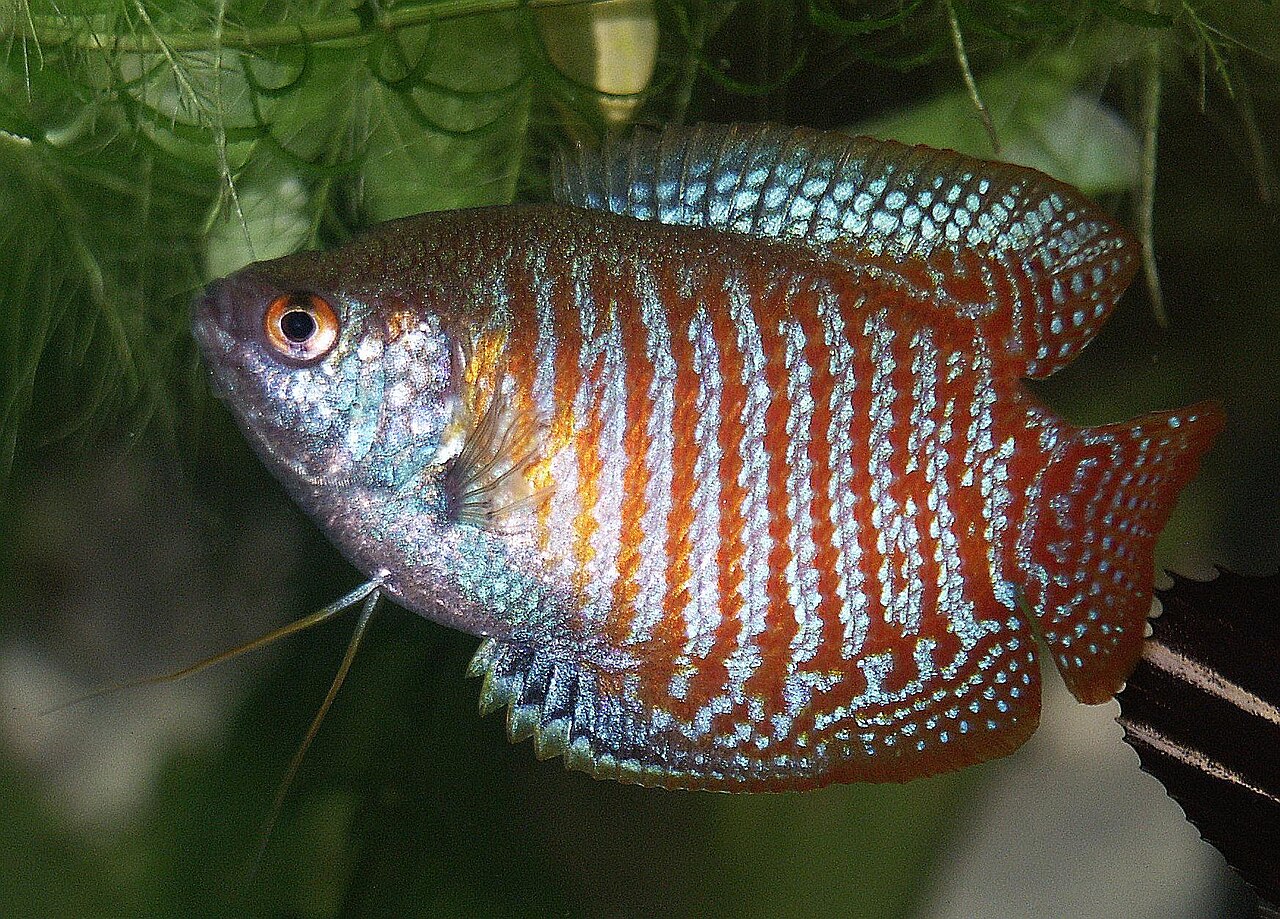
Ask gourami breeders where spawns fail and most give the same answer: not the nest, not the hatch — the first week of feeding.
Start with: Vinegar Eels · Banana Worms · Microworms
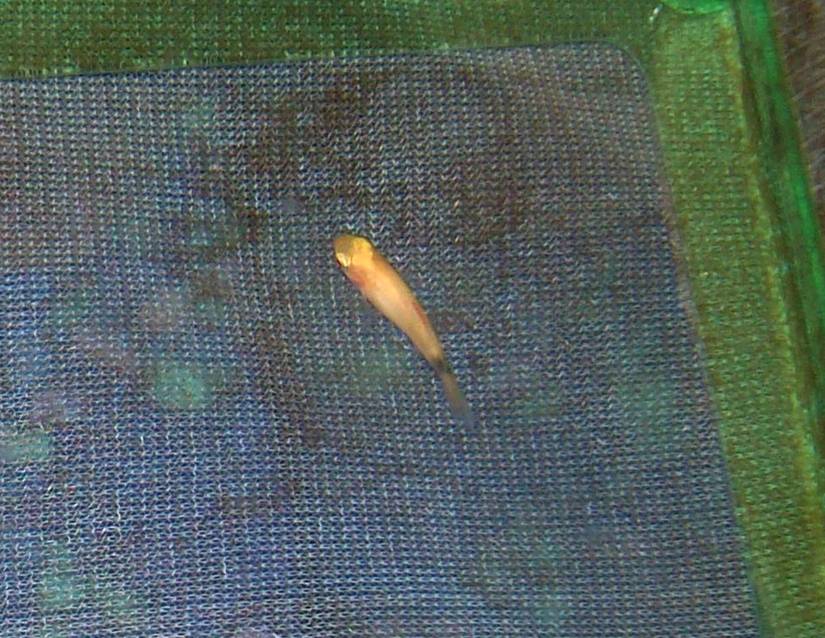
Livebearer fry are the kindest fry in the hobby: born at a size egg-layer fry take a month to reach, able to eat real food from their first hour.
Start with: Microworms · Daphnia (Moina) · Fry Starter Kit
Killifish fry are born further along than most — many hatch able to take microworms within hours — but they grow at wildly uneven rates, and the fry tank’s real management problem is that last week’s fry eats this week’s.
Start with: Microworms · Vinegar Eels · Daphnia (Moina)
Not sure where your fish fits? Start with the size-by-size fry food ladder — or message us the species on WhatsApp and we will point you at the right culture.