Species feeding guide

Live food for discus

Discus keepers are rightly careful about what goes into the tank — and live food earns its place anyway. Fry raised past the parent-feeding stage grow noticeably faster on live food, juveniles colour and bulk up on daphnia, and few things condition a breeding pair like blackworms. The rule is cultured, clean and rinsed: live food you grew beats anything collected or bought blind.

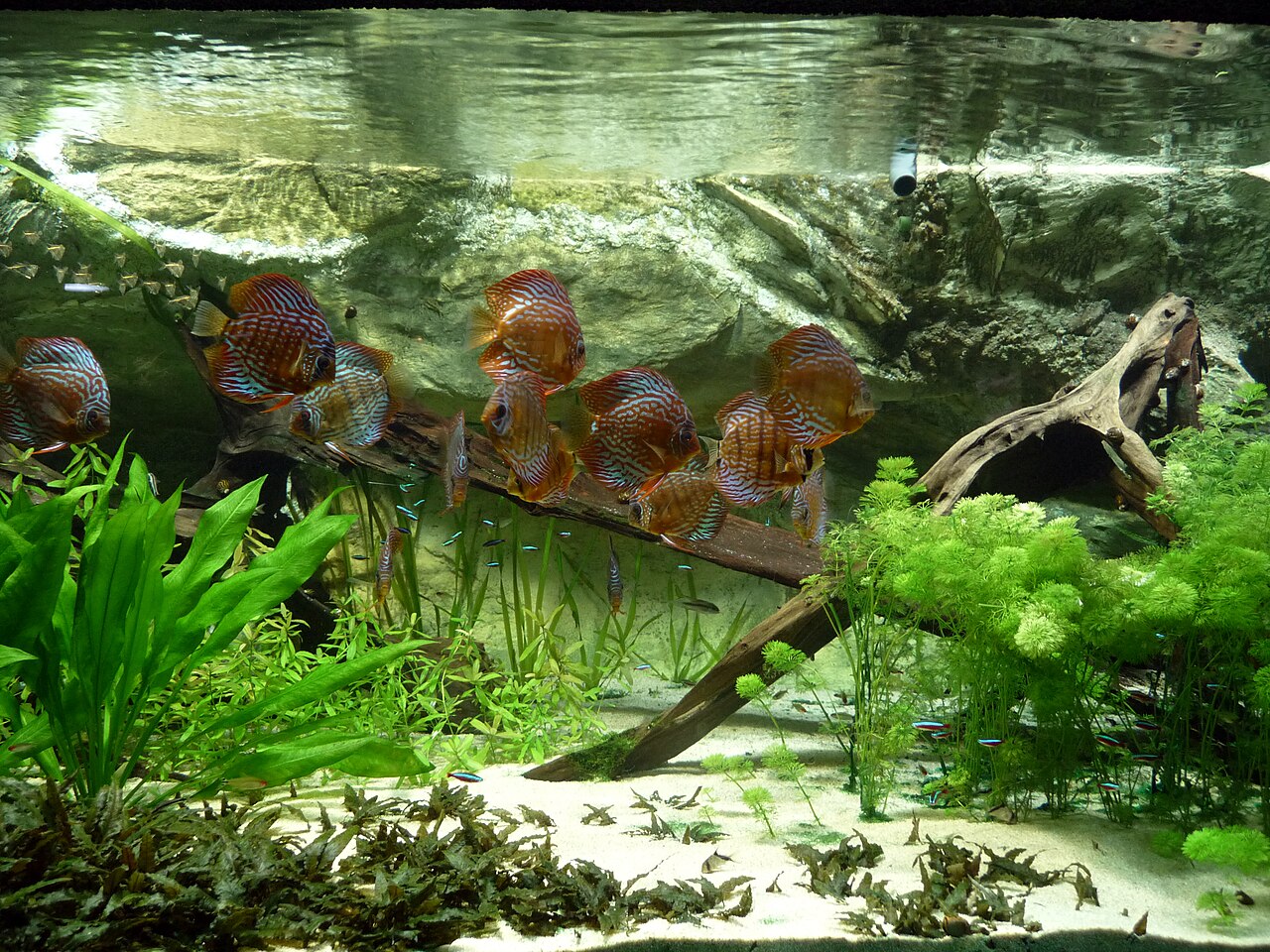
A group of discus in a large planted display aquarium

Photo: Citron, Wikimedia Commons, CC BY-SA 3.0

The feeding plan

StageFeed thisWhy it works
Fry, first ±2 weeksThe parents — then microwormsDiscus fry feed on the parents’ body mucus at first; as they start ranging off the parents, microworms (and baby brine, if you hatch it) bridge them onto cultured food
Fry & juveniles, growth phaseBaby daphnia / moina, moving up to adult moinaClean, digestible and always moving — the growth engine for young discus without fouling warm discus water the way rich dry foods can
Adults, regular feedingDaphnia 2–3 times a weekA lean, high-roughage feed that keeps digestion moving in a fish prone to gut issues on rich-only diets
Conditioning pairsBlackworms, rinsed, a few times a weekThe classic discus conditioning food — eagerly taken and protein-rich; rotate with daphnia rather than feeding worms daily

Practical tips

  • Rinse every live feed in clean water before it goes in — culture water does not belong in a 29 °C discus tank.
  • Cultured is the point: home-grown daphnia and tray-cultured blackworms avoid the parasite lottery of pond-collected live food, which is where live food gets its bad reputation among discus keepers.
  • Feed blackworms from a worm cone or in one corner so shy fish get their share and uneaten worms are easy to siphon out.
Watch out: Rich food in warm water fouls fast. Feed blackworms and grindal worms in portions eaten within minutes, siphon leftovers, and never let a worm culture’s rinse water anywhere near the discus tank.

Common questions

What do discus fry eat after they leave the parents?

Microworms as the first cultured food, graduating to baby daphnia (moina) within days. Fry that get live food from this stage grow faster and more evenly than fry moved straight onto dry food.

Are blackworms safe for discus?

Cultured blackworms, rinsed before feeding, are a long-standing discus conditioning food. The risk keepers worry about comes from wild-collected worms and dirty holding water — which is why a home tray culture, rinsed at harvest, is the safer way to feed them.

Is daphnia good for discus?

Yes — one of the best regular feeds. It is lean, digestible, and its shell helps keep the discus gut moving. Juveniles grow well on moina-sized daphnia, and adults benefit from daphnia days between richer feeds.

Start these cultures

In stock in the Western Cape, dispatched Monday to Wednesday, door-to-door across South Africa.
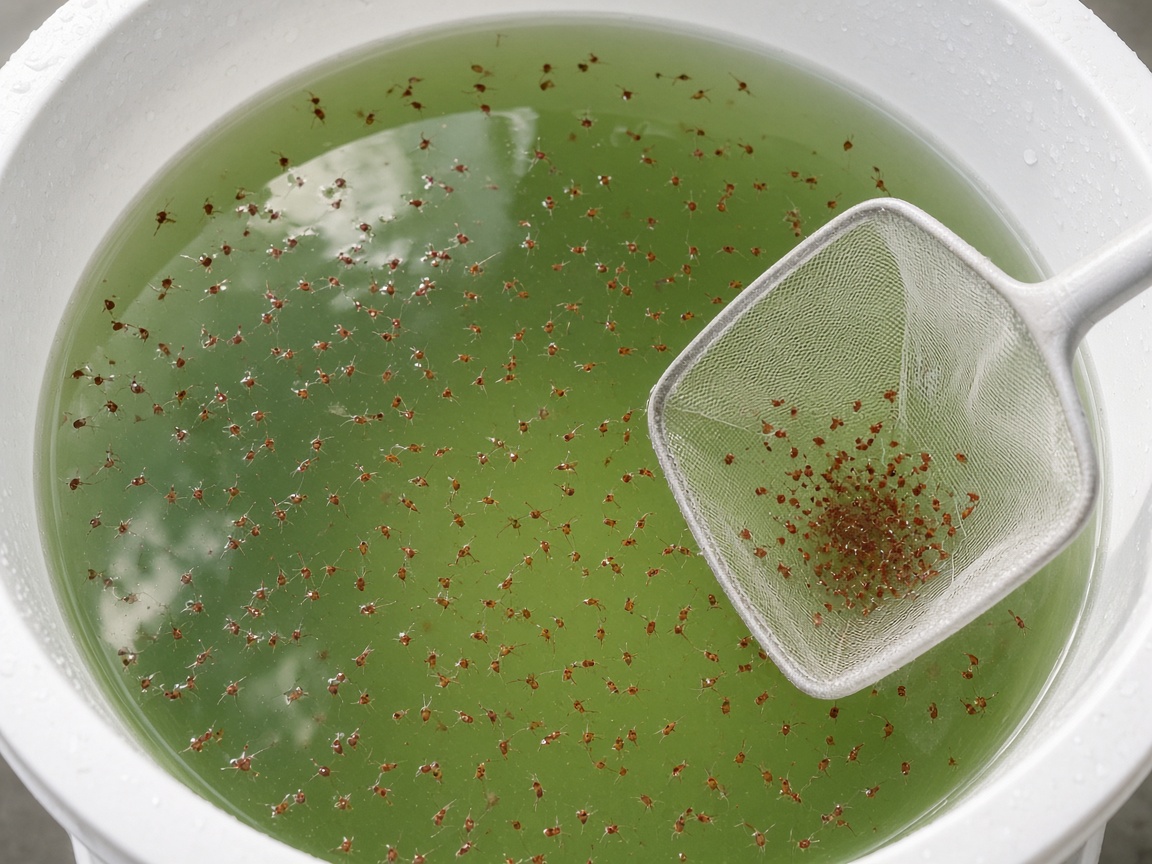
Live daphnia (moina) being harvested with a fine net from a green culture tub

Daphnia (Moina)

In stock

Moina sp.

The small “daphnia” that suits fry and small fish — and breeds fast in warm water

Size±0.4–1.5 mm (adults ±1–1.5 mm)
Temperature20–30 °C (fastest at 24–28 °C)
FoodGreen water, yeast, spirulina
DifficultyModerate — keep a backup culture

R50 · starter culture

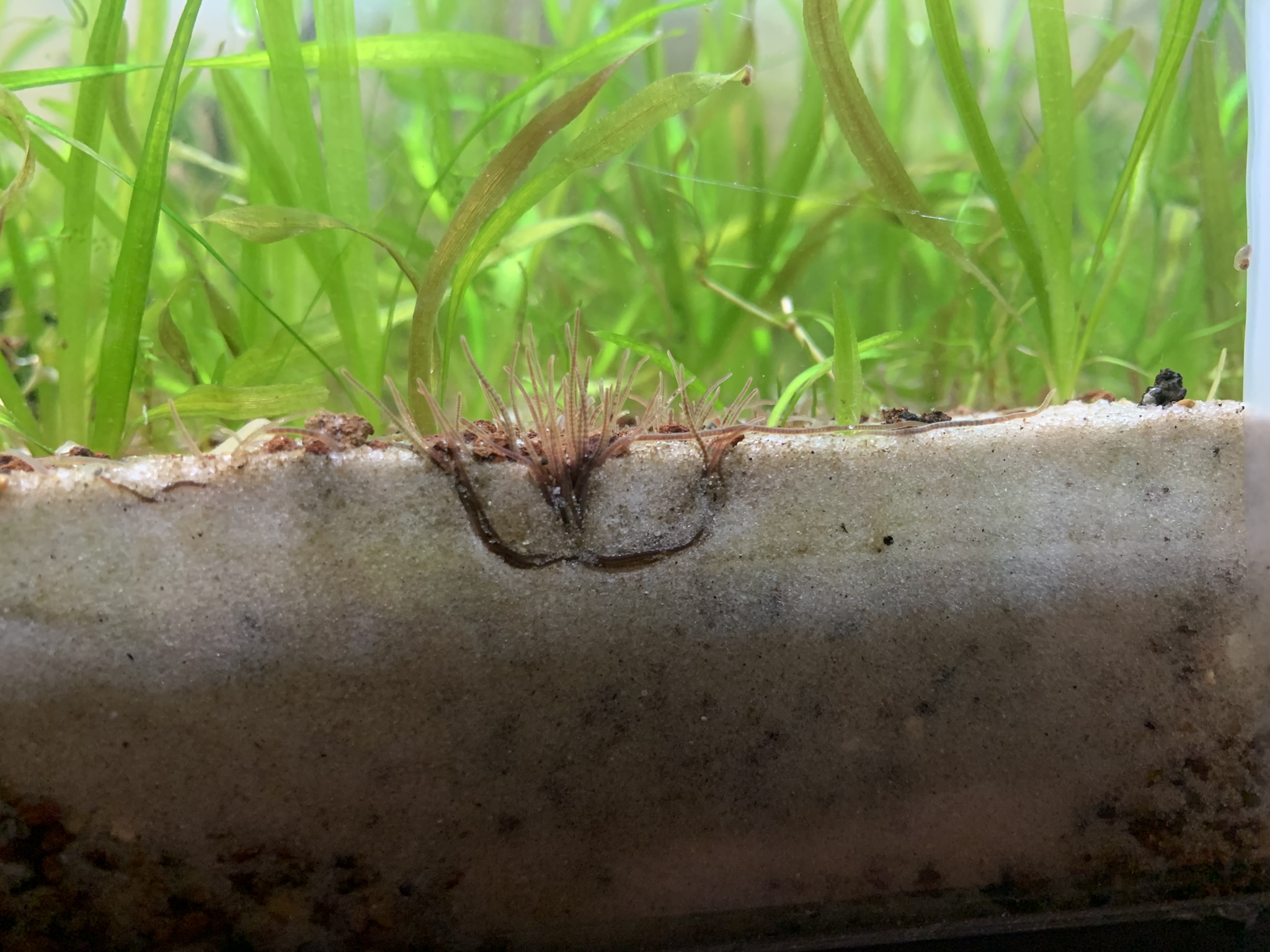
Live blackworms (Lumbriculus variegatus) in a shallow aquarium tray

Blackworms

Out of stock

Lumbriculus variegatus

A meaty aquatic worm that adult fish go mad for — currently out of stock

Size±30–60 mm long, very thin
Culture inShallow tray, water over gravel/paper
TemperatureRoom temp ±20–24 °C; keep below 25 °C
DifficultyModerate — heat is the enemy, rinse regularly

R350 · 50 worms

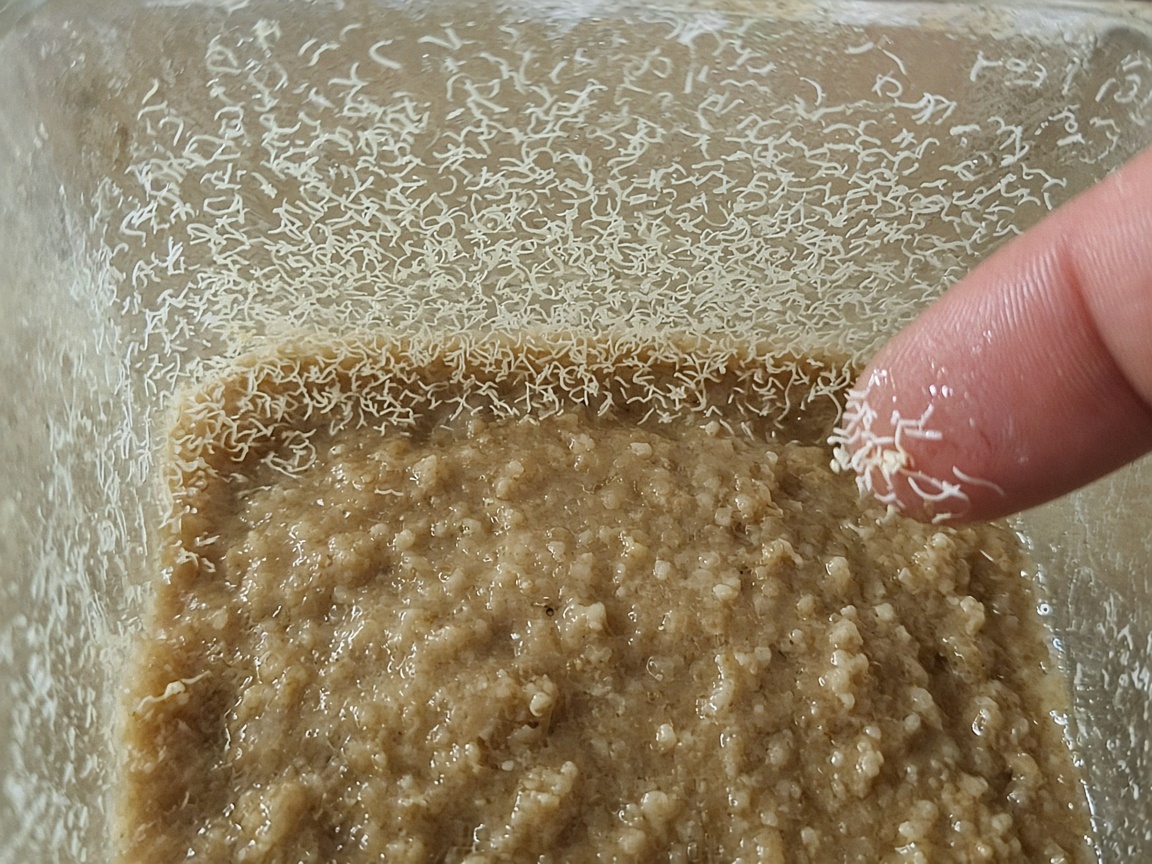
Microworms climbing the wall of a culture tub, harvested with a fingertip

Microworms

In stock

Panagrellus redivivus

The go-to first food for betta, gourami, tetra and cory fry

Size±1–3 mm
Culture mediumOats / instant porridge paste
Temperature18–27 °C (room temperature)
DifficultyVery easy

R50 · 15 ml starter culture

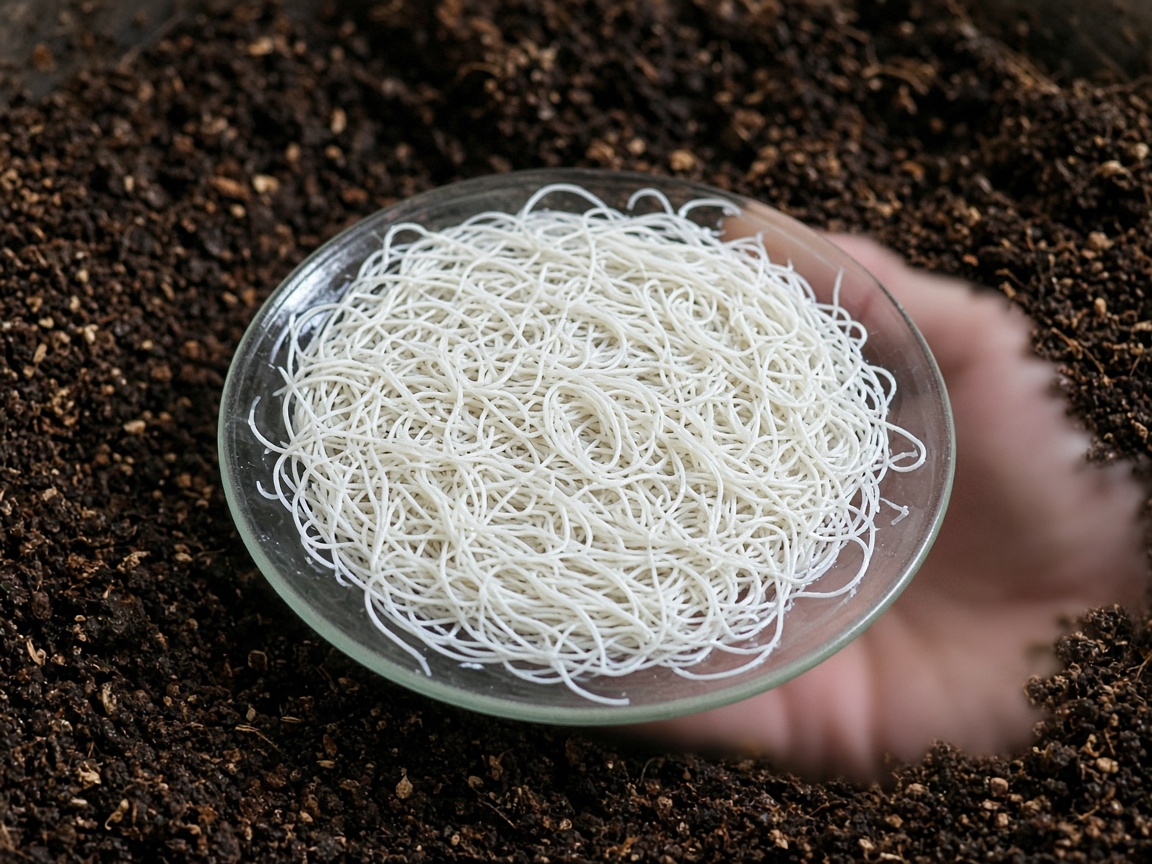
Grindal worms harvested clean on a glass plate over coir

Grindal Worms

Out of stock

Enchytraeus buchholzi

A bigger, meatier worm for growing-on fry and small adult fish

Size±1 mm young to ±10 mm adults
Culture mediumDamp coir, soil mix or sponge
TemperatureRoom temperature (cooler shelf)
DifficultyEasy

R50 · starter culture

Feeding discus? Get the culture right first time.

Tell us your setup and town on WhatsApp — we will confirm which cultures you need, what is in stock, and the exact delivered price.

Ask about discus food on WhatsApp

More species guides

Live food for bettas · Food for betta fry · Food for guppy fry · Live food for guppies · All species →

Order on WhatsApp