Species feeding guide

Live food for bettas

Wild bettas hunt insect larvae and tiny crustaceans all day, so live food is not a garnish for them — it is the closest thing to a natural diet. Two cultures cover almost everything an adult betta needs: daphnia as the clean, regular feed and grindal worms as the rich conditioning food.

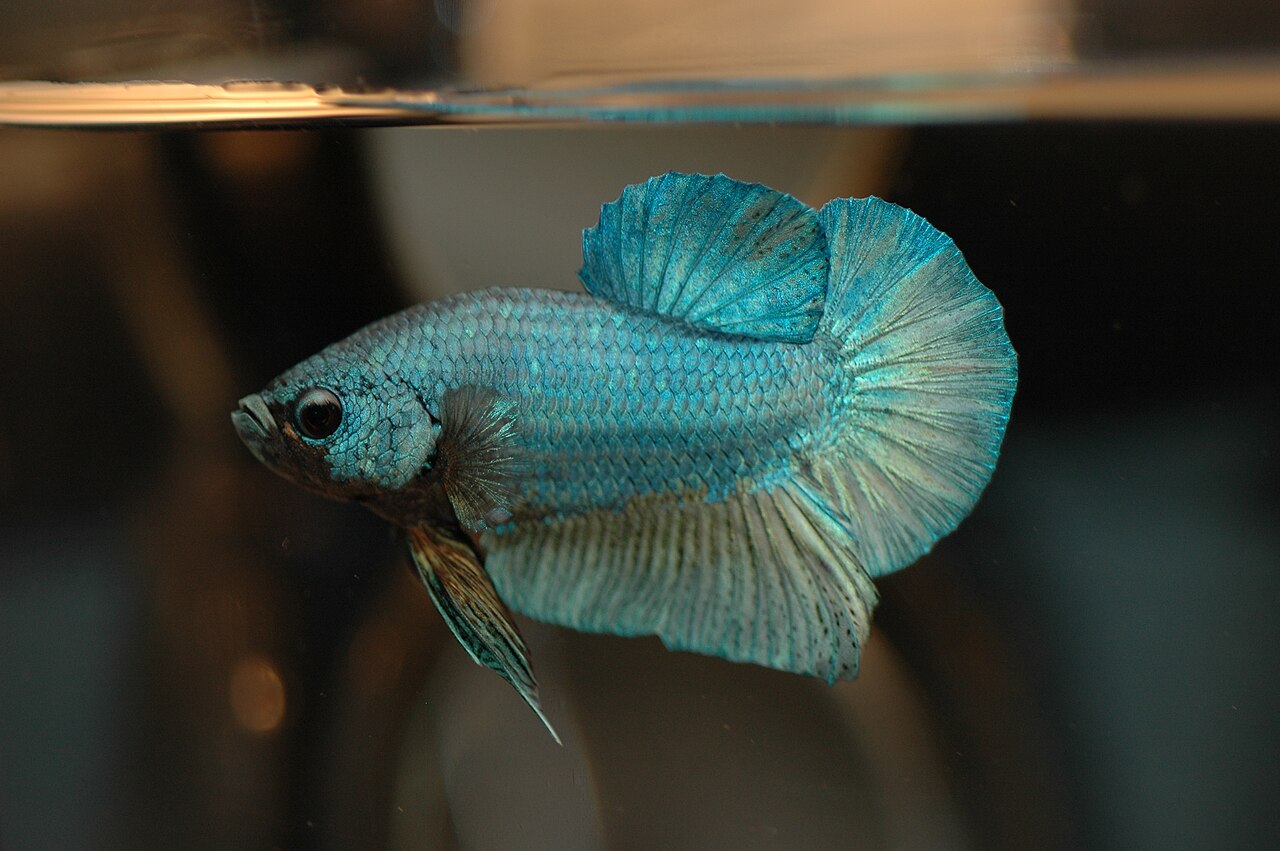
A betta (Siamese fighting fish) displaying in an aquarium

Photo: Daniella Vereeken, Wikimedia Commons, CC BY 2.0

The feeding plan

StageFeed thisWhy it works
Regular feeding (2–3× a week)Live daphnia, 3–5 at a timeTriggers hunting, highly digestible, and daphnia’s shell acts as a gentle laxative — the classic help for a bloated, constipated betta
Conditioning for breedingGrindal worms, small portions several times a weekProtein- and fat-rich; brings males and females into spawning condition. Rotate with daphnia rather than feeding only worms
Picky or recovering fishA few live daphnia in the tankMovement restarts a feeding response, and uneaten daphnia keep swimming instead of rotting like frozen food
Everyday staple (not live)Quality betta pelletsLive food enriches the diet; a good pellet should still anchor it

Practical tips

  • Net daphnia out of the culture and rinse briefly — do not pour culture water into the betta tank.
  • Feed what is eaten in a couple of minutes. Bettas will keep hunting long past full, so enthusiasm is not a portion guide.
  • A home daphnia culture pays for itself fast: bought live daphnia lasts days, a culture lasts months.
Watch out: Grindal worms are rich. A worms-only diet fattens bettas and fouls small tanks — rotate with daphnia and pellets, and remove uneaten worms.

Common questions

Is daphnia good for a constipated betta?

Yes — after a day or two of fasting, a few live daphnia are the traditional first feed. The chitin shell acts as a mild laxative, and the hunting gets a sluggish fish moving again.

How often should a betta get live food?

For most pet bettas, daphnia 2–3 times a week and grindal worms a few times a week alongside a pellet staple. Breeding stock being conditioned can get live food daily in small portions.

Can bettas eat grindal worms every day?

They will, but should not as the only food — grindal worms are fatty. Use them as the rich part of a rotation with daphnia and a quality pellet.

Start these cultures

In stock in the Western Cape, dispatched Monday to Wednesday, door-to-door across South Africa.
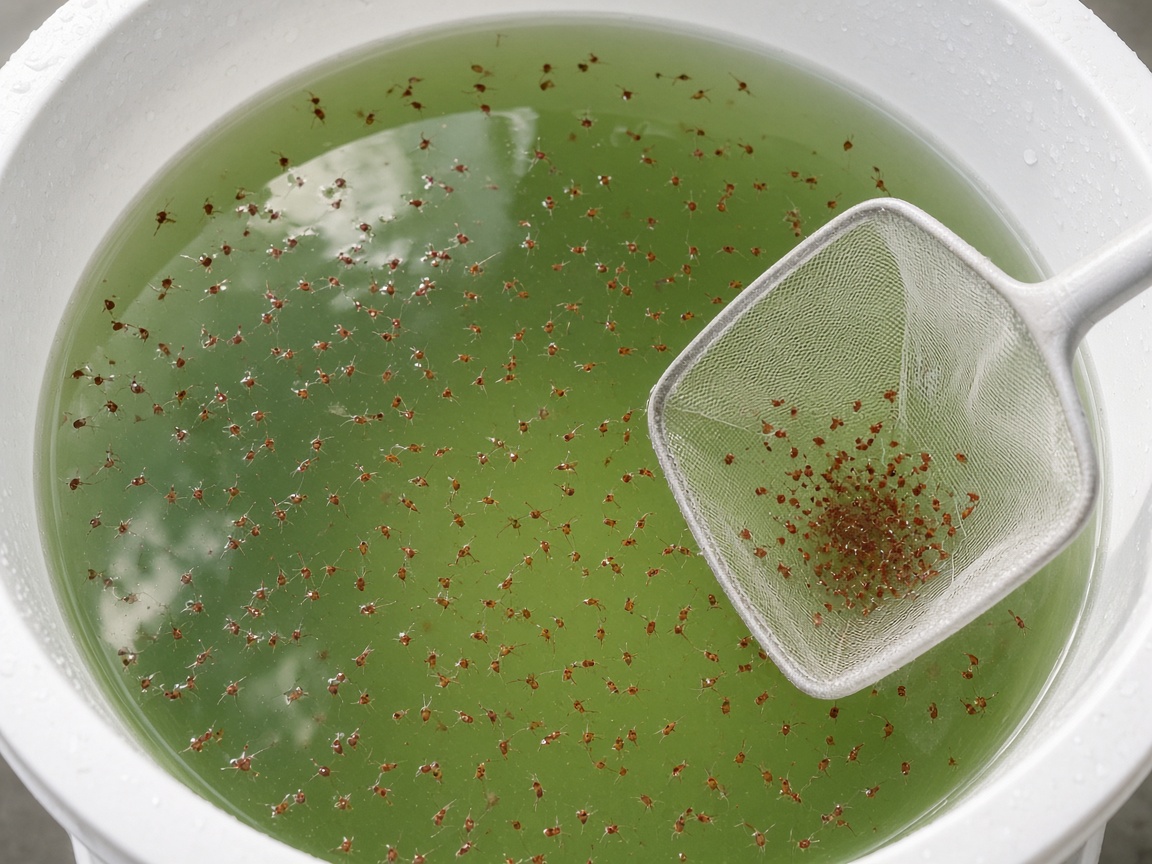
Live daphnia (moina) being harvested with a fine net from a green culture tub

Daphnia (Moina)

In stock

Moina sp.

The small “daphnia” that suits fry and small fish — and breeds fast in warm water

Size±0.4–1.5 mm (adults ±1–1.5 mm)
Temperature20–30 °C (fastest at 24–28 °C)
FoodGreen water, yeast, spirulina
DifficultyModerate — keep a backup culture

R50 · starter culture

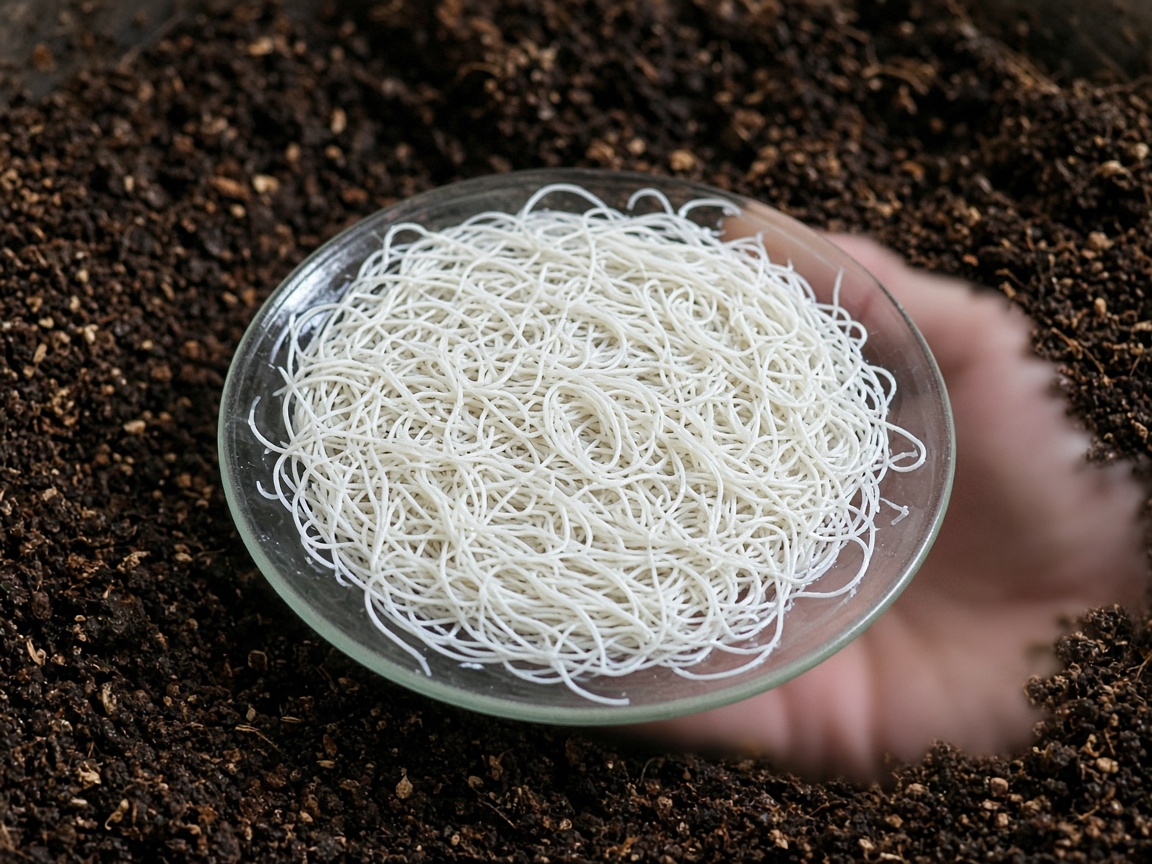
Grindal worms harvested clean on a glass plate over coir

Grindal Worms

Out of stock

Enchytraeus buchholzi

A bigger, meatier worm for growing-on fry and small adult fish

Size±1 mm young to ±10 mm adults
Culture mediumDamp coir, soil mix or sponge
TemperatureRoom temperature (cooler shelf)
DifficultyEasy

R50 · starter culture

Feeding bettas? Get the culture right first time.

Tell us your setup and town on WhatsApp — we will confirm which cultures you need, what is in stock, and the exact delivered price.

Ask about bettas food on WhatsApp

More species guides

Food for betta fry · Food for guppy fry · Live food for guppies · Live food for axolotls · All species →

Order on WhatsApp