Species feeding guide

Live food for loaches

Loaches find food the way pigs find truffles: by smell, at the bottom, thoroughly. A loach that seems uninterested in feeding time is usually a loach that never smelled anything worth leaving cover for. Live worms that wriggle in the substrate change that completely — even shy kuhlis come out for a grindal or blackworm feed placed where they live.

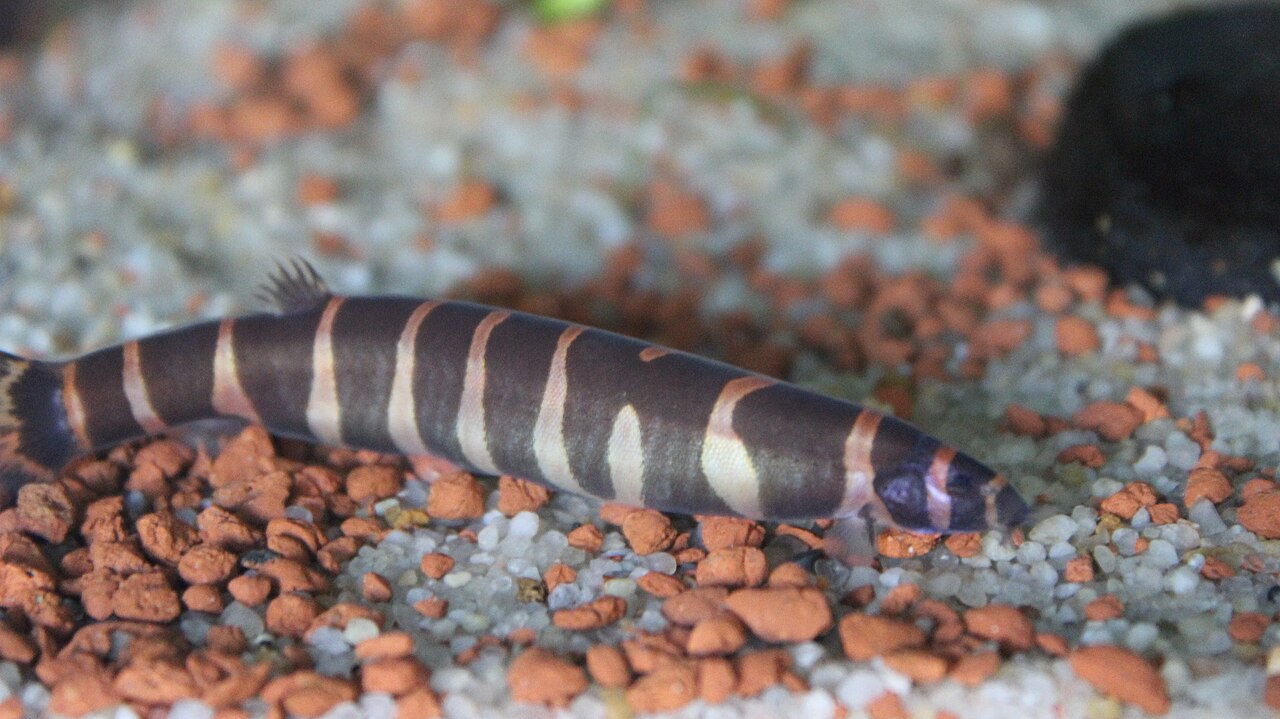
A kuhli loach in an aquarium

Photo: Iidkk, Wikimedia Commons, CC BY-SA 4.0

The feeding plan

StageFeed thisWhy it works
Staple worm feedsLive blackworms (when in stock)Burrow tail-up and wave in the gravel — loaches root them out exactly as they would in a riverbed; the quintessential loach food
Cultured rotationGrindal worms, rinsedHome-cultured, the right size for kuhlis and small botias, and they sink straight to loach territory
Active daytime feedsLive daphnia (moina)Clown and yoyo loaches hunt daphnia through the water column with audible clicks — the liveliest feeding show in the community tank
Conditioning & growthWorm feeds 3–4 times a weekYoung loaches grow and fill out fastest with regular meaty live food alongside a sinking staple

Practical tips

  • Feed loaches at lights-out or in their shaded corner — kuhlis in particular feed confidently in the dark and get outcompeted at noon.
  • Use a pipette to place worms at the cave mouths and driftwood the loaches live under.
  • Keep loaches in groups; a group feeds boldly and shows itself, a singleton hides and starves quietly.
Watch out: Sand or smooth gravel, always: loaches dig face-first and sharp substrate shreds barbels. Worm food in the substrate only works if the substrate is safe to dig in.

Common questions

What is the best live food for kuhli loaches?

Small worms delivered to the bottom: grindal worms as the cultured staple, blackworms as the premium feed. Kuhlis are shy, so target-feed their hiding spots after lights-out.

Do clown loaches eat daphnia?

With enthusiasm — clown loaches hunt daphnia through the whole tank and click audibly while feeding. Moina-sized daphnia suits young clowns; adults take it as a hunt-and-snack feed between worm meals.

Start these cultures

In stock in the Western Cape, dispatched Monday to Wednesday, door-to-door across South Africa.

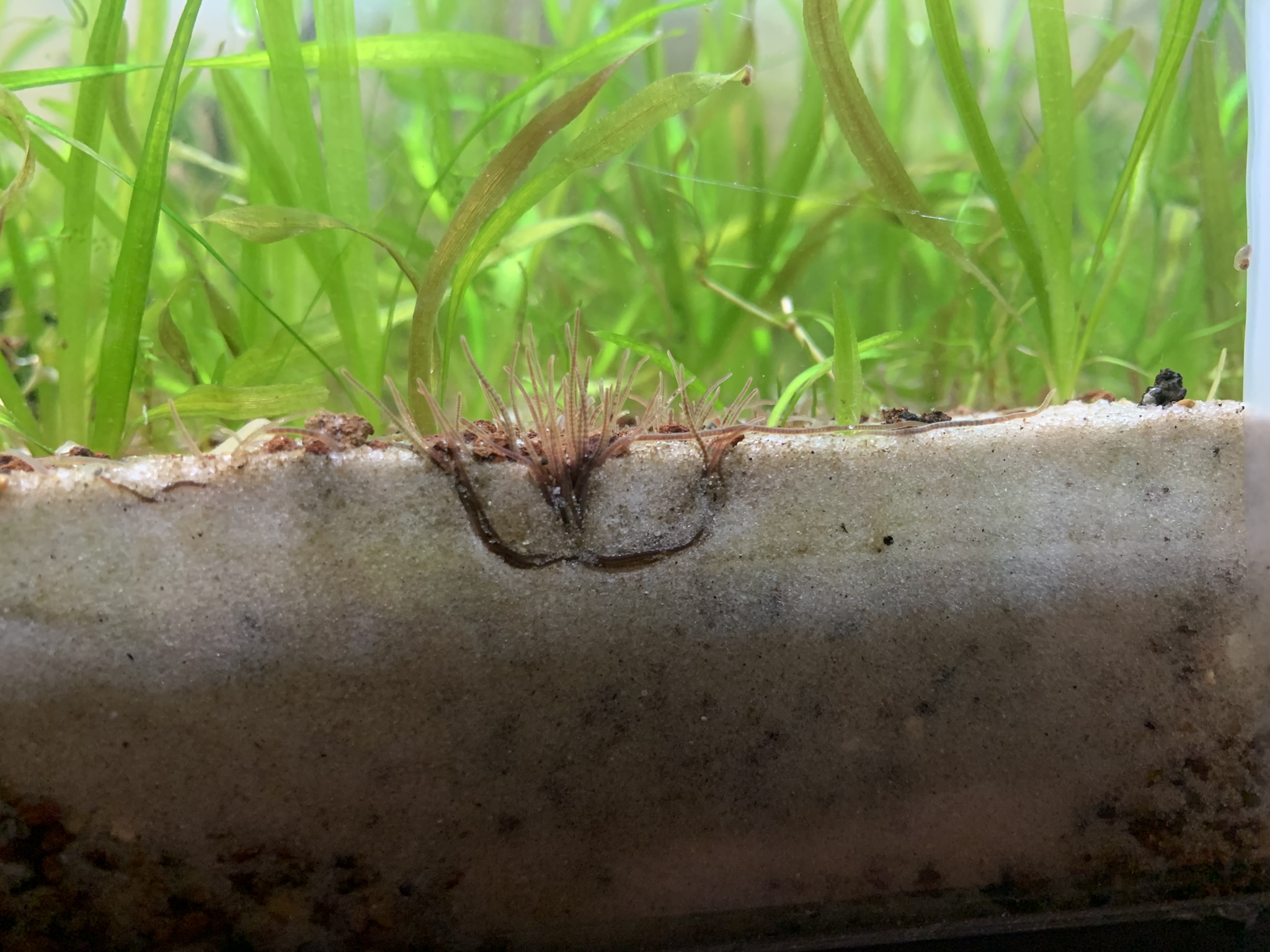
Live blackworms (Lumbriculus variegatus) in a shallow aquarium tray

Blackworms

Out of stock

Lumbriculus variegatus

A meaty aquatic worm that adult fish go mad for — currently out of stock

Size±30–60 mm long, very thin
Culture inShallow tray, water over gravel/paper
TemperatureRoom temp ±20–24 °C; keep below 25 °C
DifficultyModerate — heat is the enemy, rinse regularly

R350 · 50 worms
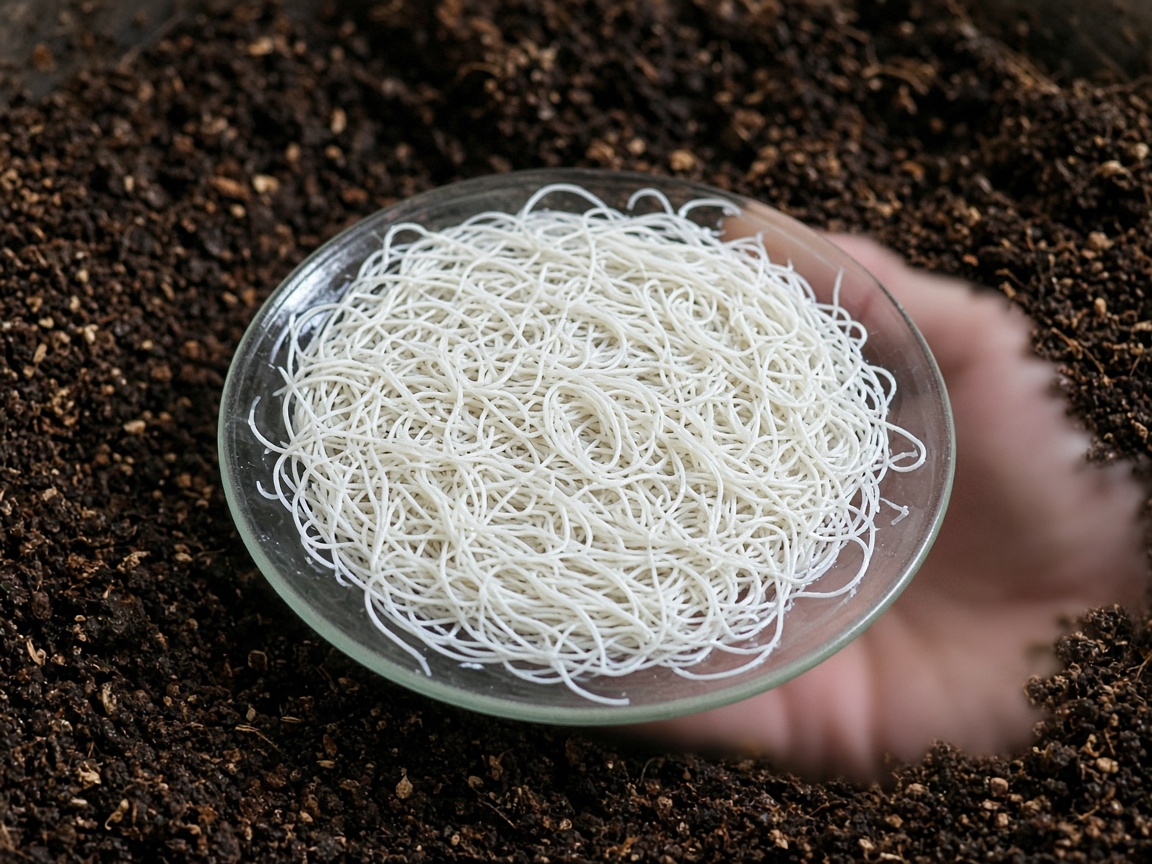
Grindal worms harvested clean on a glass plate over coir

Grindal Worms

Out of stock

Enchytraeus buchholzi

A bigger, meatier worm for growing-on fry and small adult fish

Size±1 mm young to ±10 mm adults
Culture mediumDamp coir, soil mix or sponge
TemperatureRoom temperature (cooler shelf)
DifficultyEasy

R50 · starter culture

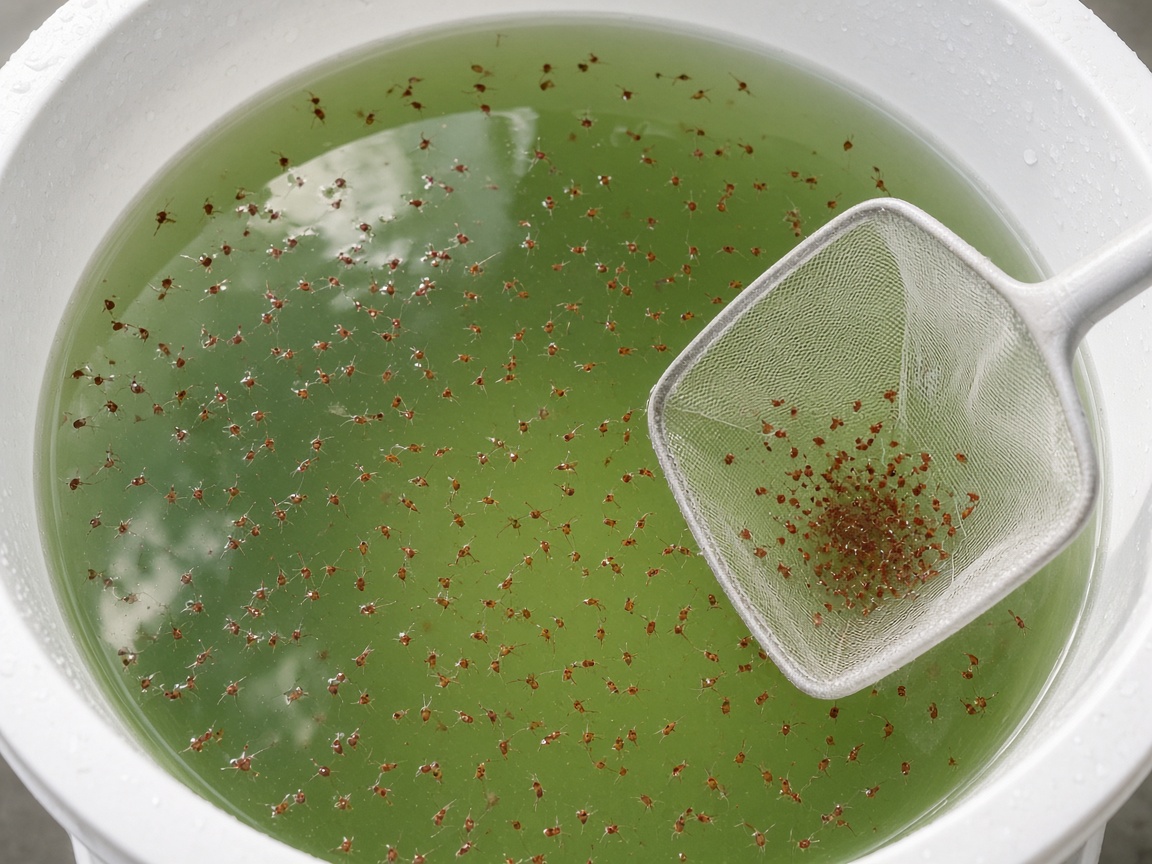
Live daphnia (moina) being harvested with a fine net from a green culture tub

Daphnia (Moina)

In stock

Moina sp.

The small “daphnia” that suits fry and small fish — and breeds fast in warm water

Size±0.4–1.5 mm (adults ±1–1.5 mm)
Temperature20–30 °C (fastest at 24–28 °C)
FoodGreen water, yeast, spirulina
DifficultyModerate — keep a backup culture

R50 · starter culture

Feeding loaches? Get the culture right first time.

Tell us your setup and town on WhatsApp — we will confirm which cultures you need, what is in stock, and the exact delivered price.

Ask about loaches food on WhatsApp

More species guides

Live food for bettas · Food for betta fry · Food for guppy fry · Live food for guppies · All species →

Order on WhatsApp