Species feeding guide

Live food for mollies, platies & swordtails

Mollies, platies and swordtails are the livebearers that fill community tanks — born free-swimming, hungry, and (if the adults have their way) lunch. Live food does double duty here: it grows fry noticeably faster and more evenly than flake alone, and a tank busy hunting daphnia is a tank where newborns get a head start to the plants.

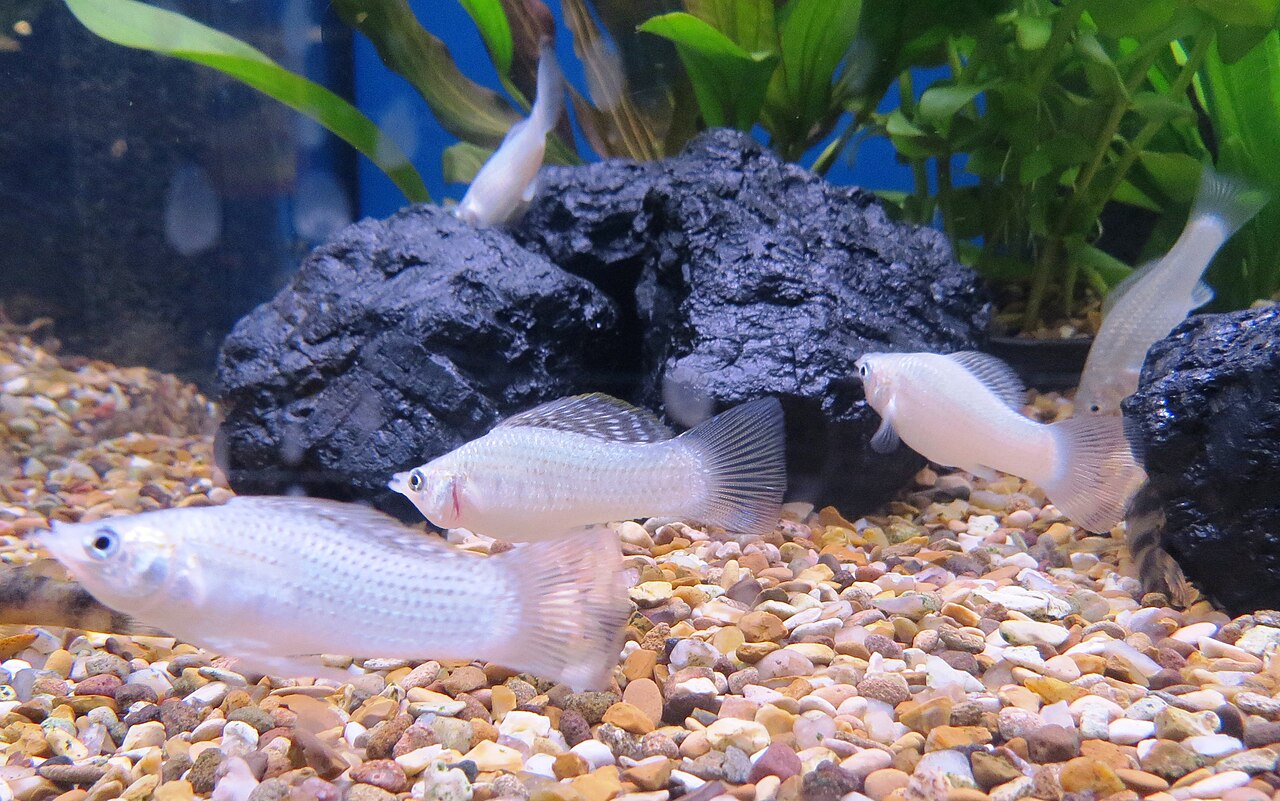
A sailfin molly (Poecilia latipinna)

Photo: Bjoertvedt, Wikimedia Commons, CC BY-SA 3.0

The feeding plan

StageFeed thisWhy it works
Newborn fry (day 1)Microworms + newborn moina available immediatelyLivebearer fry are born able to eat both; having live food in the water from the first hour is the single easiest survival upgrade
Fry, weeks 1–4Daphnia (moina) most daysThe fastest, most even growth phase; fry hunt all day instead of waiting for two flake feeds
Adults, regular feedingDaphnia 2–3 times a week + vegetable matterMollies especially need the green side of the diet; daphnia days balance richer foods and keep the gut moving
Conditioning breedersDaphnia + young grindal worms (when in stock)Live-conditioned females carry larger, stronger broods; rotate rather than feeding only rich worms

Practical tips

  • Plant heavily or use a spawning mop — fry that reach cover in the first minute mostly survive; fry in open water mostly do not.
  • Feed the adults first, at the far end of the tank, then feed the fry corner. Distraction is a legitimate fry-raising technique.
  • A permanent moina culture pays for itself in a livebearer tank faster than in any other — the demand never really stops.
Watch out: Adults eat fry, including their own, for the first days. If you want numbers, separate fry or breed in a fry-only tank; a community tank gives you charming survivors, not a yield.

Common questions

What do molly and platy fry eat?

They are born ready for microworms and newborn daphnia (moina) — bigger first foods than egg-layer fry need. Keep both available from day one and growth is fast and even.

Is daphnia good for mollies?

Yes, with greens alongside: mollies are part-time grazers, so pair daphnia feeds with spirulina or blanched vegetables. Swordtails and platies take daphnia as eagerly as guppies do.

Start these cultures

In stock in the Western Cape, dispatched Monday to Wednesday, door-to-door across South Africa.

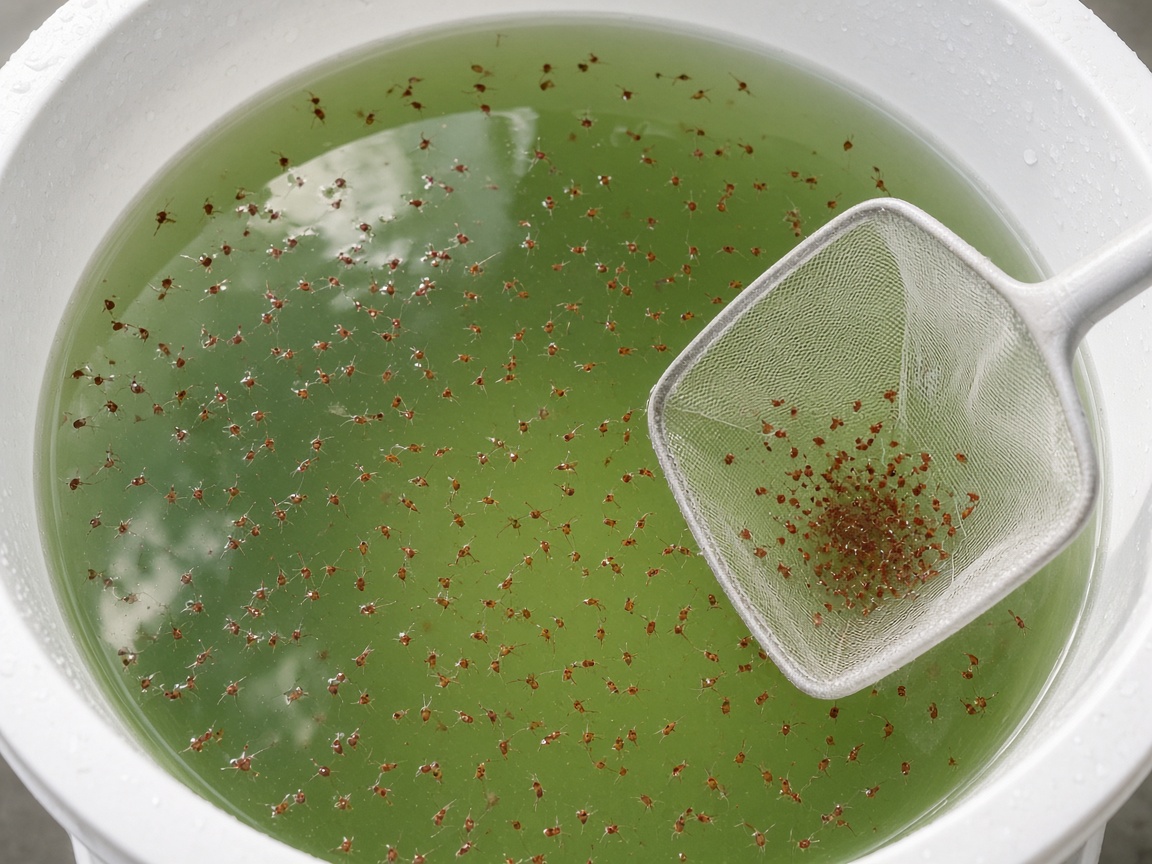
Live daphnia (moina) being harvested with a fine net from a green culture tub

Daphnia (Moina)

In stock

Moina sp.

The small “daphnia” that suits fry and small fish — and breeds fast in warm water

Size±0.4–1.5 mm (adults ±1–1.5 mm)
Temperature20–30 °C (fastest at 24–28 °C)
FoodGreen water, yeast, spirulina
DifficultyModerate — keep a backup culture

R50 · starter culture
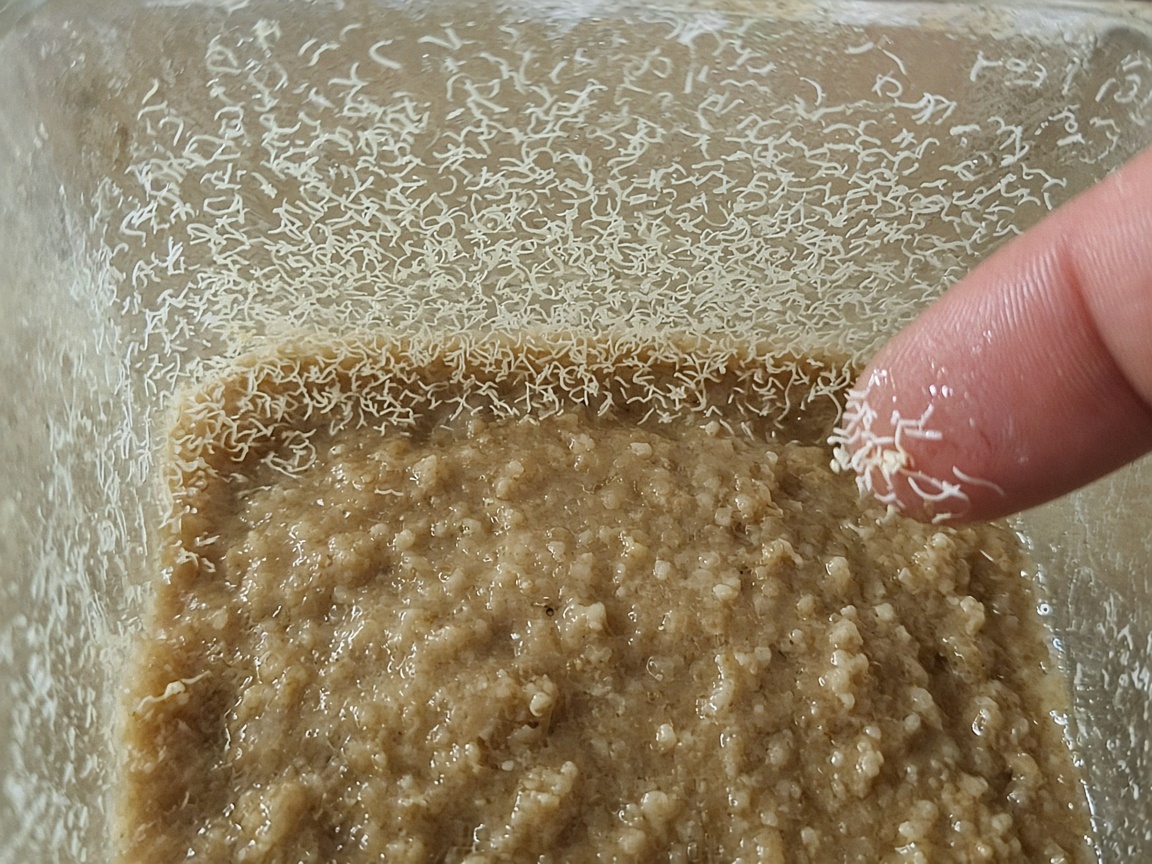
Microworms climbing the wall of a culture tub, harvested with a fingertip

Microworms

In stock

Panagrellus redivivus

The go-to first food for betta, gourami, tetra and cory fry

Size±1–3 mm
Culture mediumOats / instant porridge paste
Temperature18–27 °C (room temperature)
DifficultyVery easy

R50 · 15 ml starter culture

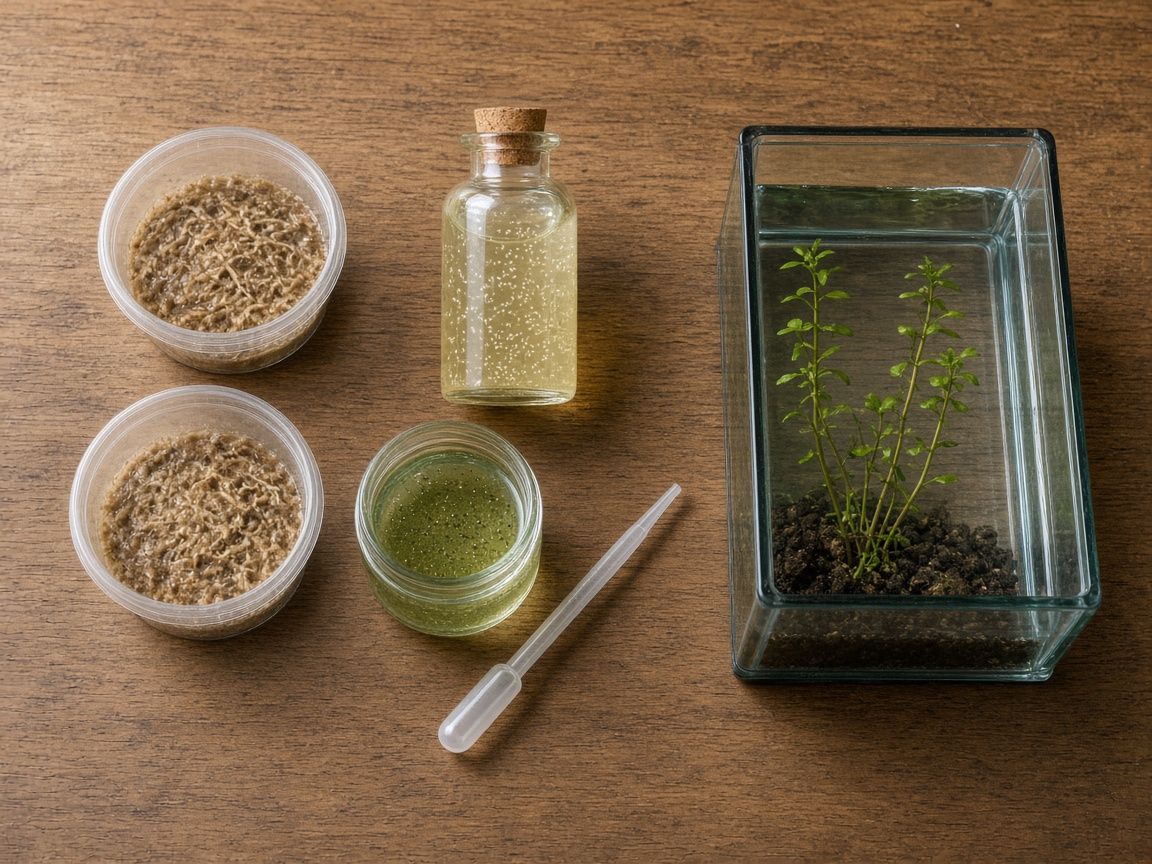
Fry starter kit with culture tubs, a daphnia (moina) jar and pipette beside a fry tank

Fry Starter Kit

In stock

All four fry cultures in one parcel

Every fry size covered, from first bite to grow-out, in one courier parcel

IncludesDaphnia (moina), microworms, banana worms, vinegar eels
Culture mediaWater tub (moina) + oats paste (worms & eels)
TemperatureRoom temperature (moina warmest, 20–30 °C)
DifficultyVery easy

R200 · 4-culture bundle

Feeding mollies, platies & swordtails? Get the culture right first time.

Tell us your setup and town on WhatsApp — we will confirm which cultures you need, what is in stock, and the exact delivered price.

Ask about mollies, platies & swordtails food on WhatsApp

More species guides

Live food for bettas · Food for betta fry · Food for guppy fry · Live food for guppies · All species →

Order on WhatsApp