Species feeding guide

Live food for tetras

Tetras span the hardest feeding problem in the hobby — neon-sized fry that hatch almost microscopic — and one of the prettiest payoffs: adults in full colour on live food. The ladder is the same, you just start at the very bottom rung.

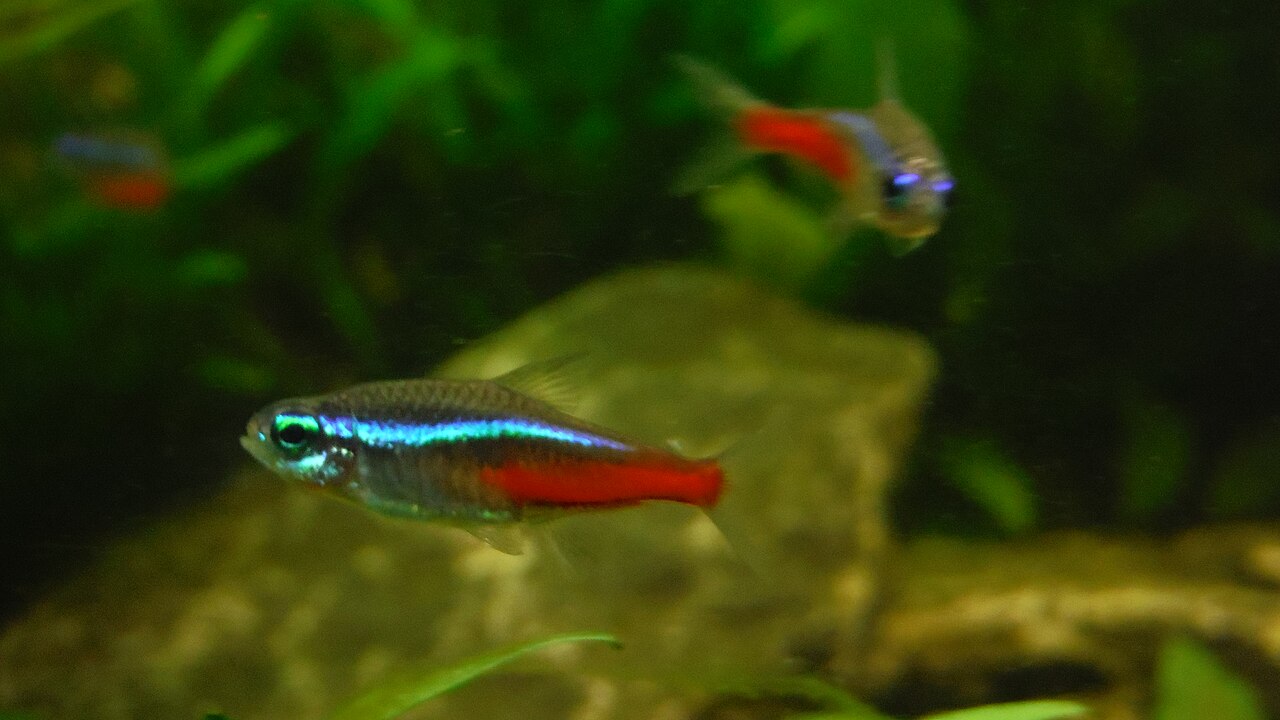
Neon tetras schooling in a planted aquarium

Photo: Warrieboy, Wikimedia Commons, CC BY-SA 4.0

The feeding plan

StageFeed thisWhy it works
Tetra fry, first daysVinegar eelsAmong the few cultured foods small enough, and they swim for hours where tiny fry hunt
Fry, week 1–2Banana worms, then microwormsStep up as fry grow; microworms become the productive staple
JuvenilesBaby daphnia / moinaFirst crustacean food — growth and early colour
Adults (neons, cardinals, embers…)Daphnia & moina, 2–3× a weekSmall daphnia suits small mouths; live feeding is famous for intensifying tetra colour and spawning behaviour

Practical tips

  • For adults choose moina and young daphnia — a big Daphnia magna is a mouthful for a neon.
  • Breeders: condition tetras on daphnia for 1–2 weeks before a spawning attempt, and have a vinegar eel tub climbing before eggs hatch.
  • Feed fry in a dim, shallow tank at first — tiny fry find swimming eels far more easily.
Watch out: Do not start tetra fry on microworms if they are neon-tiny — many cannot take them yet and will starve beside plenty. Start with vinegar eels and step up only when you see full bellies.

Common questions

What do neon tetra fry eat?

Vinegar eels (and infusoria) for the first days, then banana worms and microworms, then baby daphnia/moina. Tetra fry hatch extremely small, so the first rung matters most.

Is daphnia good for adult tetras?

Yes — especially moina and young daphnia sized for small mouths, 2–3 times a week. Keepers consistently see better colour and spawning readiness on live food.

Start these cultures

In stock in the Western Cape, dispatched Monday to Wednesday, door-to-door across South Africa.

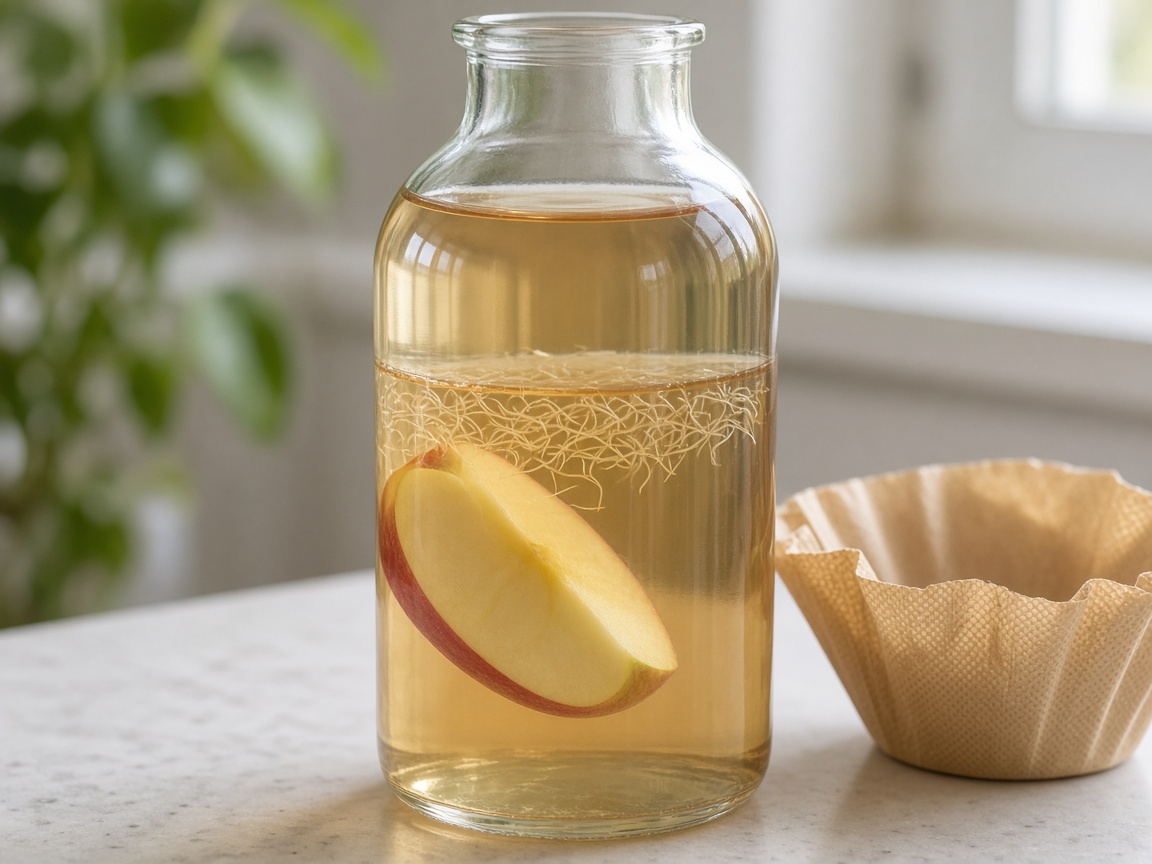
Vinegar eel starter culture tub

Vinegar Eels

In stock

Turbatrix aceti

The tiniest first food — cultured on oats, despite the name

Size±0.3–2 mm
Culture mediumOats / instant porridge paste (like microworms)
Temperature18–27 °C (room temperature)
DifficultyVery easy

R50 · 15 ml starter culture
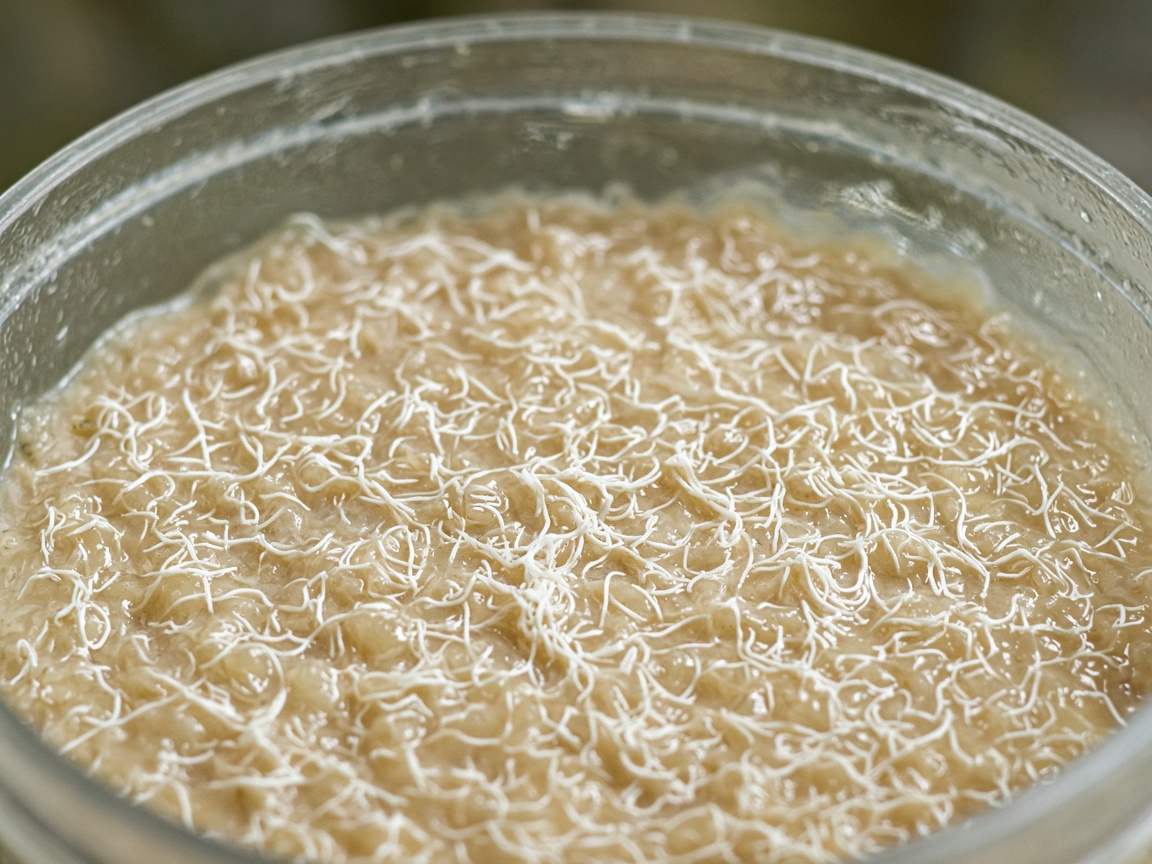
Banana worm culture surface in a clear tub

Banana Worms

In stock

Panagrellus nepenthicola

Smaller than microworms — for the tiniest fry, sooner

SizeSmaller & thinner than microworms
Culture mediumOats / instant porridge paste
Temperature18–27 °C (room temperature)
DifficultyVery easy

R50 · 15 ml starter culture
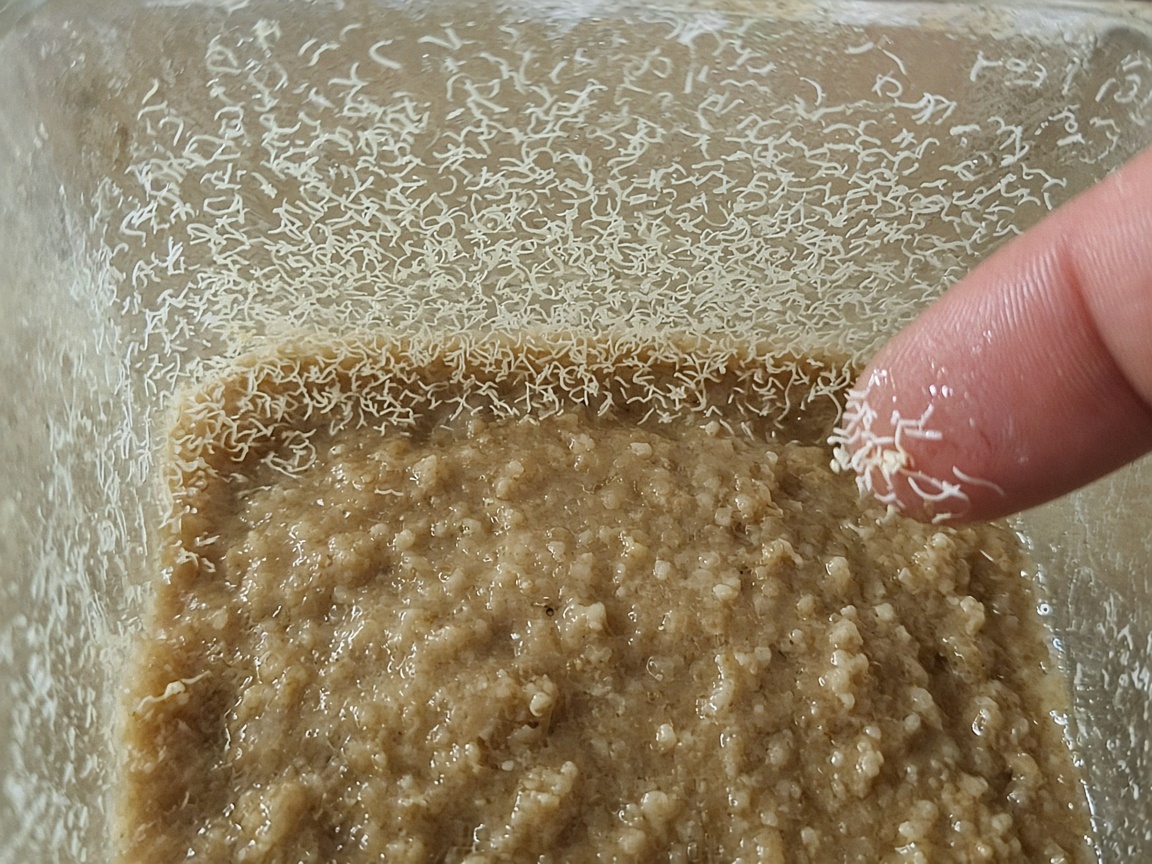
Microworms climbing the wall of a culture tub, harvested with a fingertip

Microworms

In stock

Panagrellus redivivus

The go-to first food for betta, gourami, tetra and cory fry

Size±1–3 mm
Culture mediumOats / instant porridge paste
Temperature18–27 °C (room temperature)
DifficultyVery easy

R50 · 15 ml starter culture
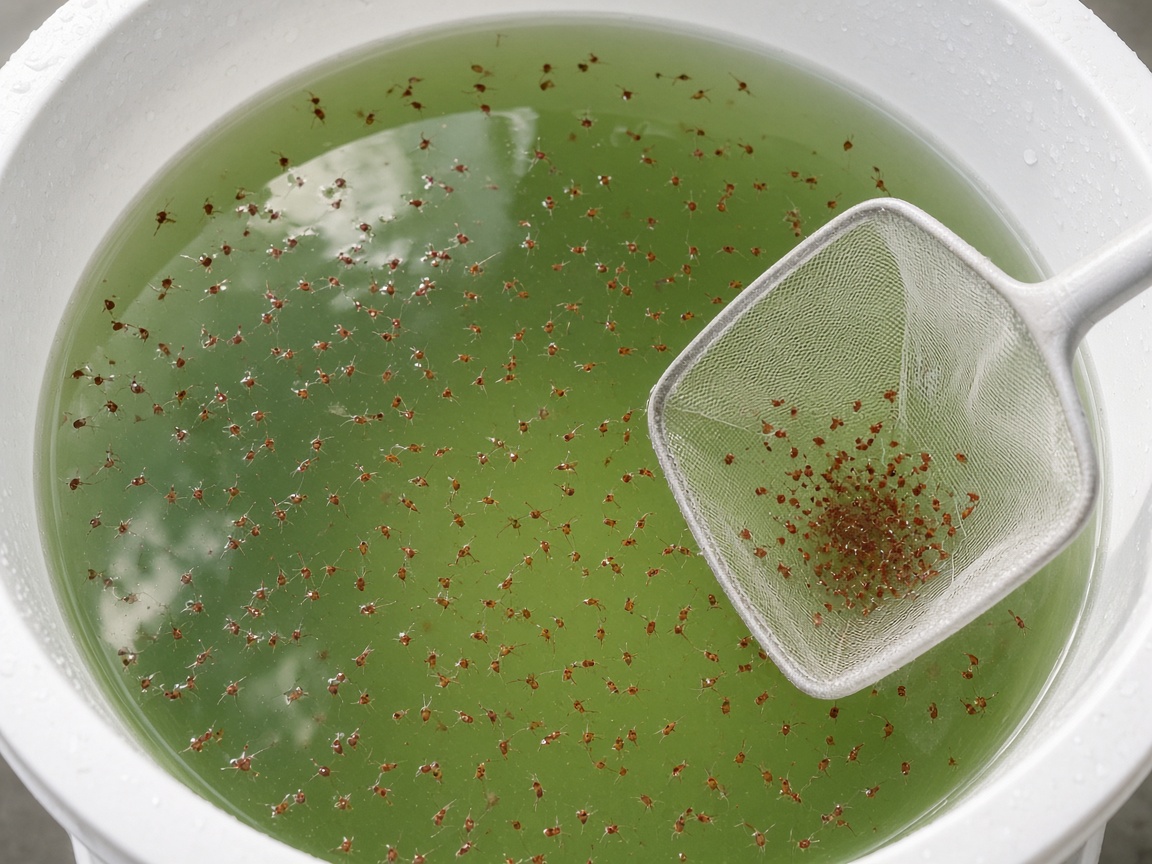
Live daphnia (moina) being harvested with a fine net from a green culture tub

Daphnia (Moina)

In stock

Moina sp.

The small “daphnia” that suits fry and small fish — and breeds fast in warm water

Size±0.4–1.5 mm (adults ±1–1.5 mm)
Temperature20–30 °C (fastest at 24–28 °C)
FoodGreen water, yeast, spirulina
DifficultyModerate — keep a backup culture

R50 · starter culture

Feeding tetras? Get the culture right first time.

Tell us your setup and town on WhatsApp — we will confirm which cultures you need, what is in stock, and the exact delivered price.

Ask about tetras food on WhatsApp

More species guides

Live food for bettas · Food for betta fry · Food for guppy fry · Live food for guppies · All species →

Order on WhatsApp