Species feeding guide

Live food for pea puffers

Pea puffers are micro-predators: many individuals simply do not recognise pellets as food. Live prey that moves through the plants is what they evolved to hunt — daphnia for daily hunting, grindal worms for a meatier feed.

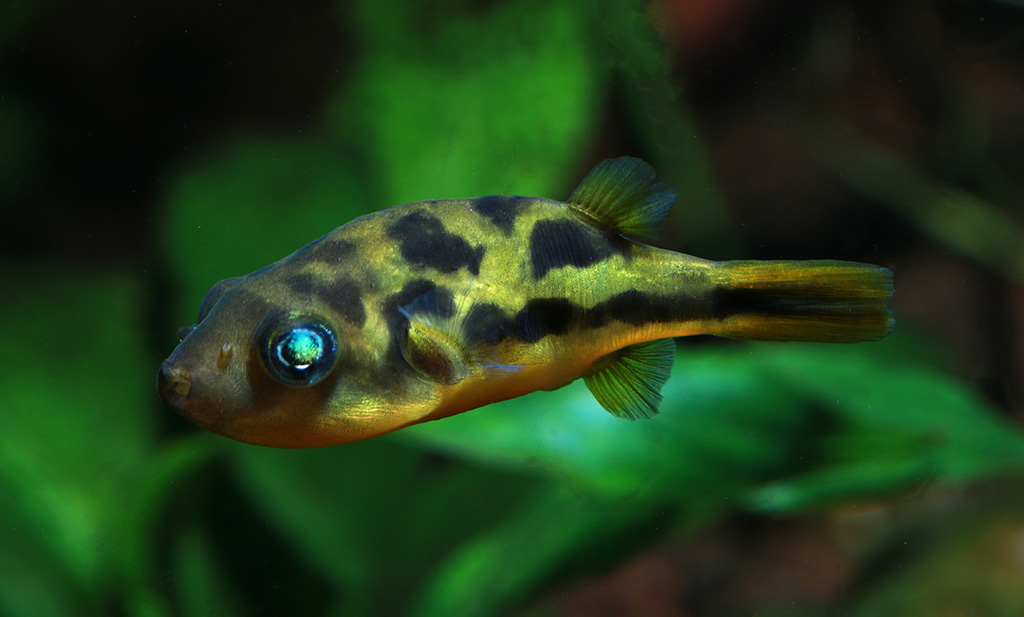
A pea puffer (Carinotetraodon travancoricus) close up

Photo: Beta Mahatvaraj, Wikimedia Commons, CC BY-SA 4.0

The feeding plan

StageFeed thisWhy it works
Daily hunting foodLive daphnia scattered through the tankPuffers stalk and pick them off one by one — enrichment and nutrition in one feed
Meatier feeds, few times a weekGrindal wormsA substantial worm a pea puffer can tear into; good for keeping condition on smaller or shy fish
Shy or new fishSmall live daphnia, lights lowLive movement is the most reliable way to get a fasting puffer eating again

Practical tips

  • Feed in the plants, not in open water — puffers hunt by stalking from cover.
  • In a group, spread food widely so bold fish do not monopolise one feeding spot.
  • A daphnia culture means a shy fish can be tempted daily without buying live portions every week.
Watch out: Pea puffers also need hard foods (like snails) in the wider diet to wear their ever-growing beaks — live daphnia and worms are excellent food, but not beak maintenance. Keep the rest of the diet varied.

Common questions

Will pea puffers eat daphnia?

Yes — daphnia is one of the most reliable pea puffer foods. The swimming movement triggers their hunting response, which dry food often fails to do.

My pea puffer won’t eat pellets. What now?

Start with live daphnia and grindal worms — movement is usually the missing trigger. Once eating confidently, keep live food as the core and treat prepared foods as optional extras.

Start these cultures

In stock in the Western Cape, dispatched Monday to Wednesday, door-to-door across South Africa.

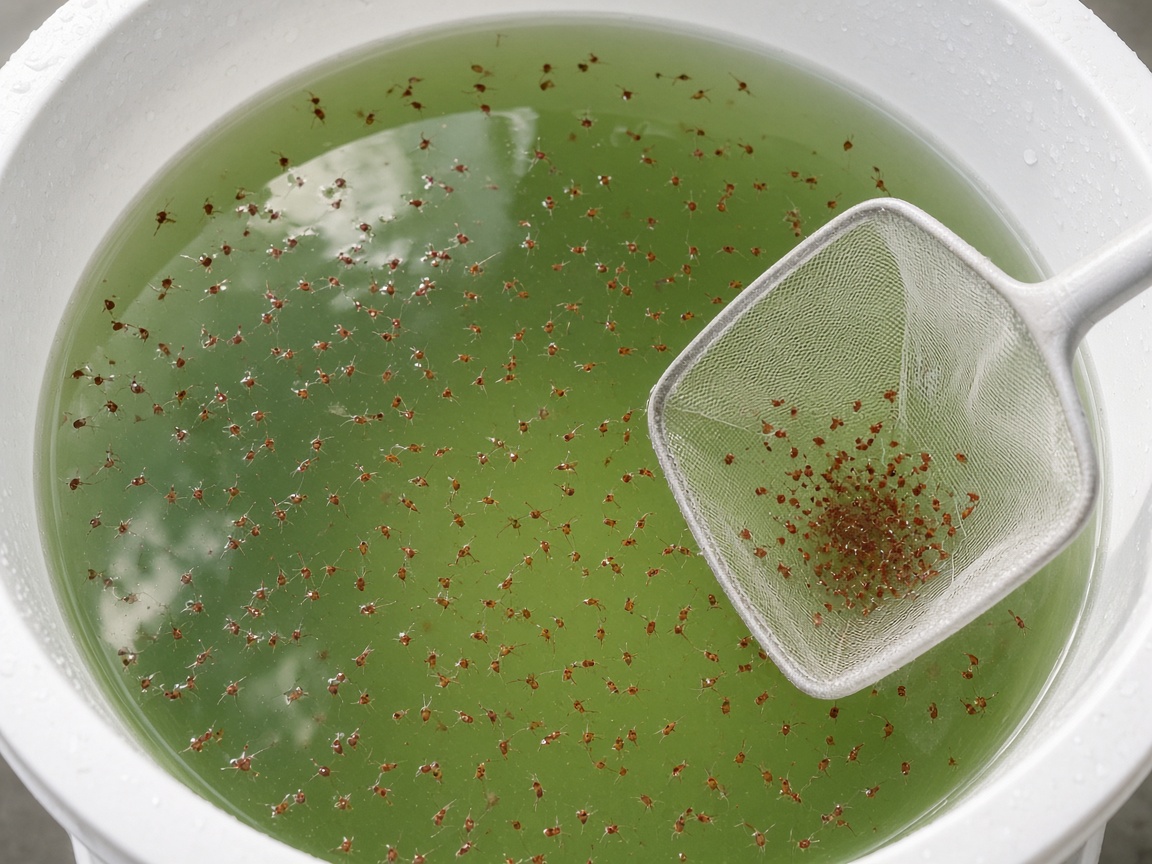
Live daphnia (moina) being harvested with a fine net from a green culture tub

Daphnia (Moina)

In stock

Moina sp.

The small “daphnia” that suits fry and small fish — and breeds fast in warm water

Size±0.4–1.5 mm (adults ±1–1.5 mm)
Temperature20–30 °C (fastest at 24–28 °C)
FoodGreen water, yeast, spirulina
DifficultyModerate — keep a backup culture

R50 · starter culture
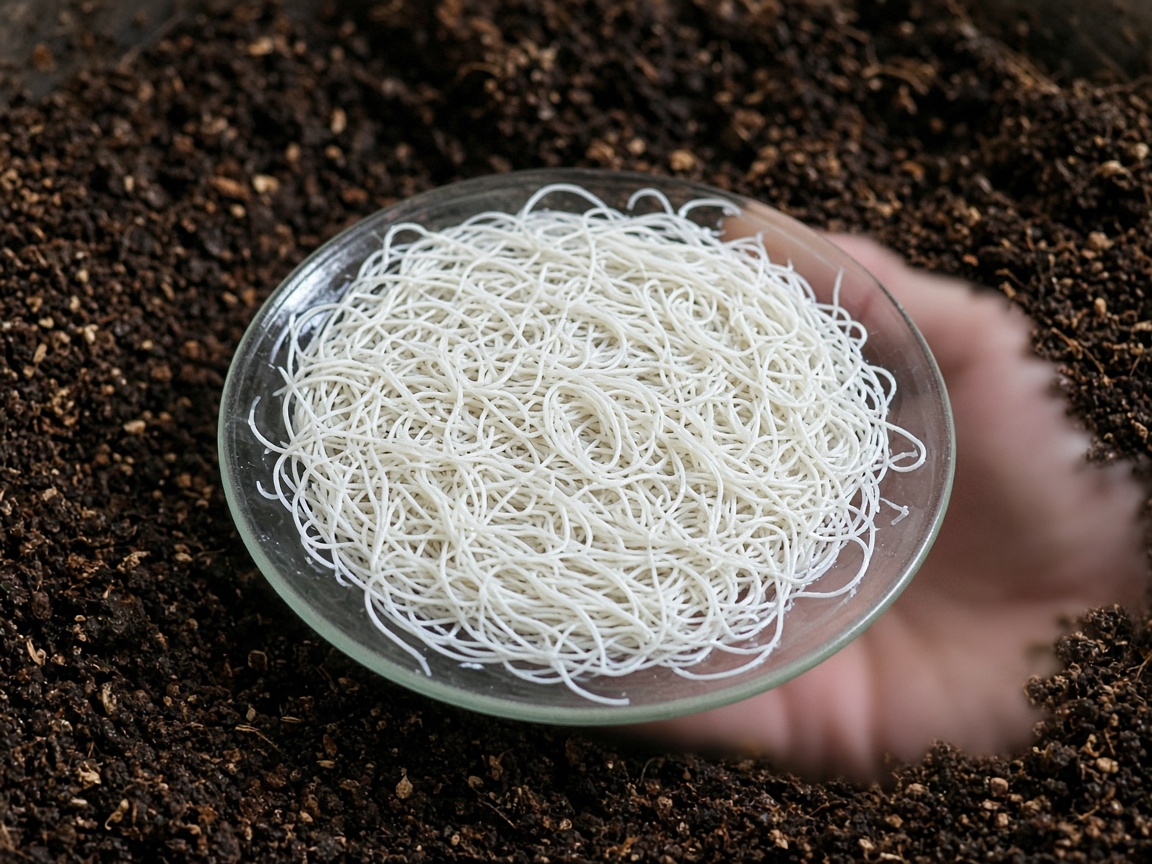
Grindal worms harvested clean on a glass plate over coir

Grindal Worms

Out of stock

Enchytraeus buchholzi

A bigger, meatier worm for growing-on fry and small adult fish

Size±1 mm young to ±10 mm adults
Culture mediumDamp coir, soil mix or sponge
TemperatureRoom temperature (cooler shelf)
DifficultyEasy

R50 · starter culture

Feeding pea puffers? Get the culture right first time.

Tell us your setup and town on WhatsApp — we will confirm which cultures you need, what is in stock, and the exact delivered price.

Ask about pea puffers food on WhatsApp

More species guides

Live food for bettas · Food for betta fry · Food for guppy fry · Live food for guppies · All species →

Order on WhatsApp