Fry feeding guide

Best live food for gourami fry

Ask gourami breeders where spawns fail and most give the same answer: not the nest, not the hatch — the first week of feeding. Gourami fry hatch at a size that makes betta fry look chunky, and a first food even slightly too big is a total loss. This is the one fry job where vinegar eels are not a preference but the entry ticket.

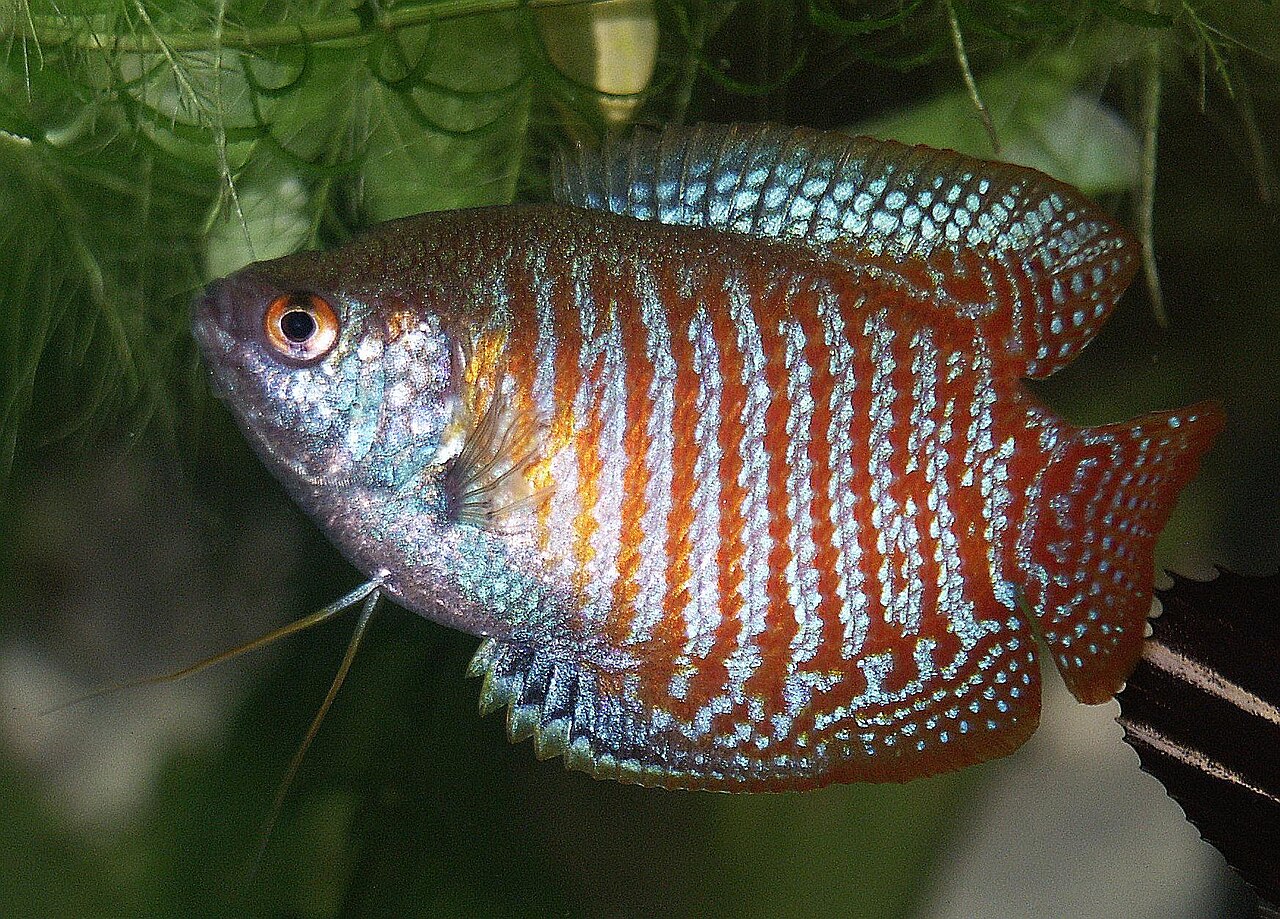
A dwarf gourami (Colisa lalia), parent of some of the smallest fry in the hobby

Photo: Wikimedia Commons, Public domain

The feeding plan

StageFeed thisWhy it works
Days 1–7 (free-swimming)Vinegar eels, fed at the surfaceAmong the only cultured foods small enough; they swim in the surface film where gourami fry hang and hunt
Week 2Banana wormsSmaller and thinner than microworms — the first worm most gourami fry can actually take
Weeks 3–4MicrowormsThe productive staple once mouths allow; keep banana worms running for the runts
Week 5+Newborn daphnia / moinaGrowth finally accelerates; uneven batches are normal, so grade by size if cannibalism-by-growth-gap appears

Practical tips

  • Have the eel tub climbing before the male builds the nest — the timeline from nest to hungry fry is days.
  • Feed tiny amounts 4–5 times a day at the surface, in still water; fry hang under the surface film and hunt upward.
  • Raise the first fortnight in a small, shallow volume: food density at the surface is the whole game.
Watch out: Remove the female after spawning and the male once fry are free-swimming — both eat fry. And never “top up” a tiny fry tank with a big water change; gourami fry die of kindness as easily as neglect.

Common questions

What do dwarf gourami fry eat first?

Vinegar eels, for the first week at least. Gourami fry are smaller than betta fry and most cannot take microworms at first — banana worms follow in week 2, microworms in weeks 3–4, newborn moina after that.

Why did my whole gourami spawn die in week one?

Almost always first-food size. If the fry were offered microworms or dry fry food from day one, most could not eat it. Start a vinegar eel tub before spawning and feed at the surface, little and often.

Start these cultures

In stock in the Western Cape, dispatched Monday to Wednesday, door-to-door across South Africa.

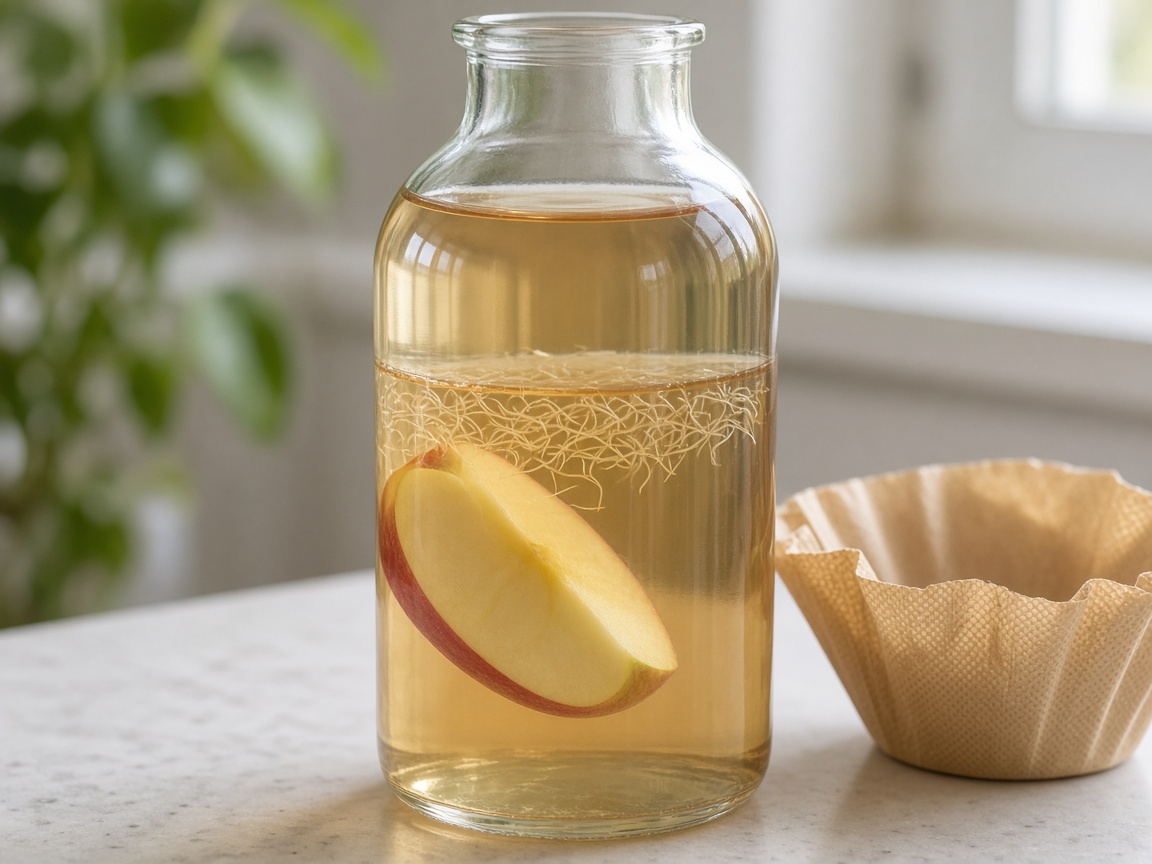
Vinegar eel starter culture tub

Vinegar Eels

In stock

Turbatrix aceti

The tiniest first food — cultured on oats, despite the name

Size±0.3–2 mm
Culture mediumOats / instant porridge paste (like microworms)
Temperature18–27 °C (room temperature)
DifficultyVery easy

R50 · 15 ml starter culture
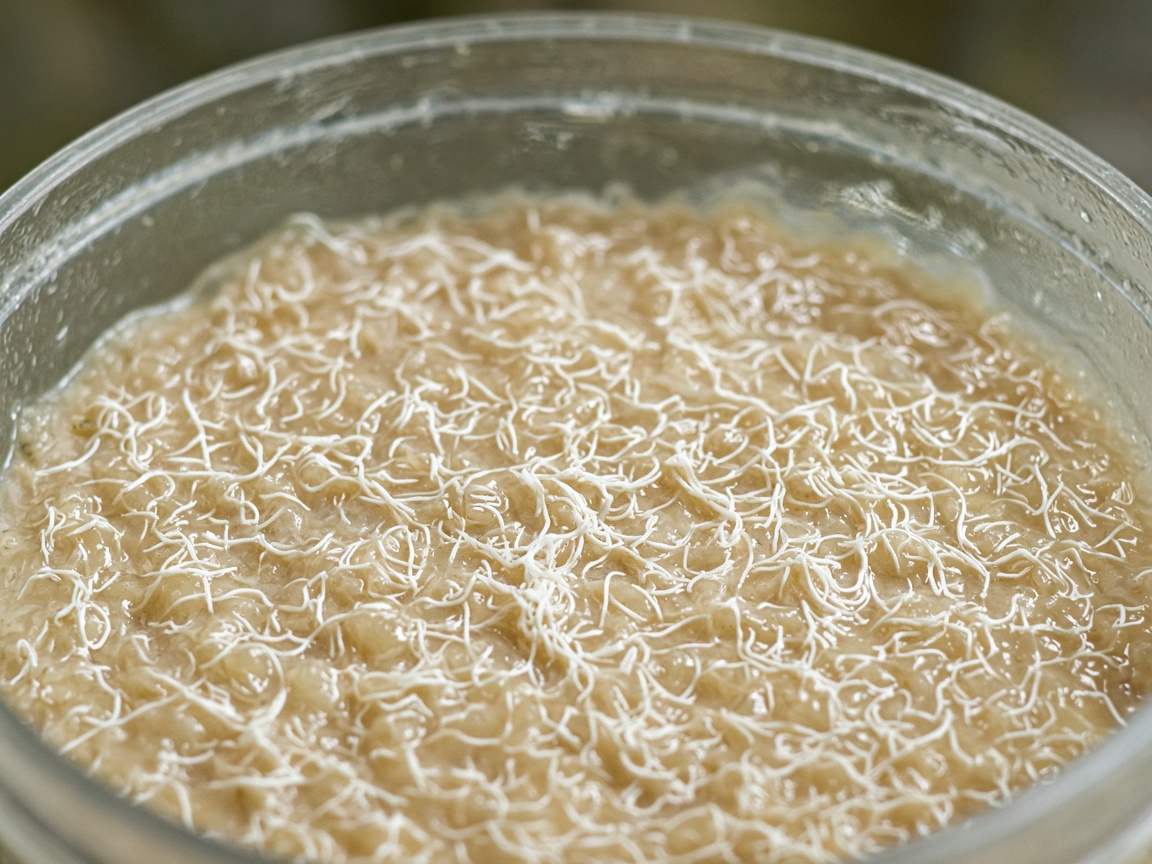
Banana worm culture surface in a clear tub

Banana Worms

In stock

Panagrellus nepenthicola

Smaller than microworms — for the tiniest fry, sooner

SizeSmaller & thinner than microworms
Culture mediumOats / instant porridge paste
Temperature18–27 °C (room temperature)
DifficultyVery easy

R50 · 15 ml starter culture
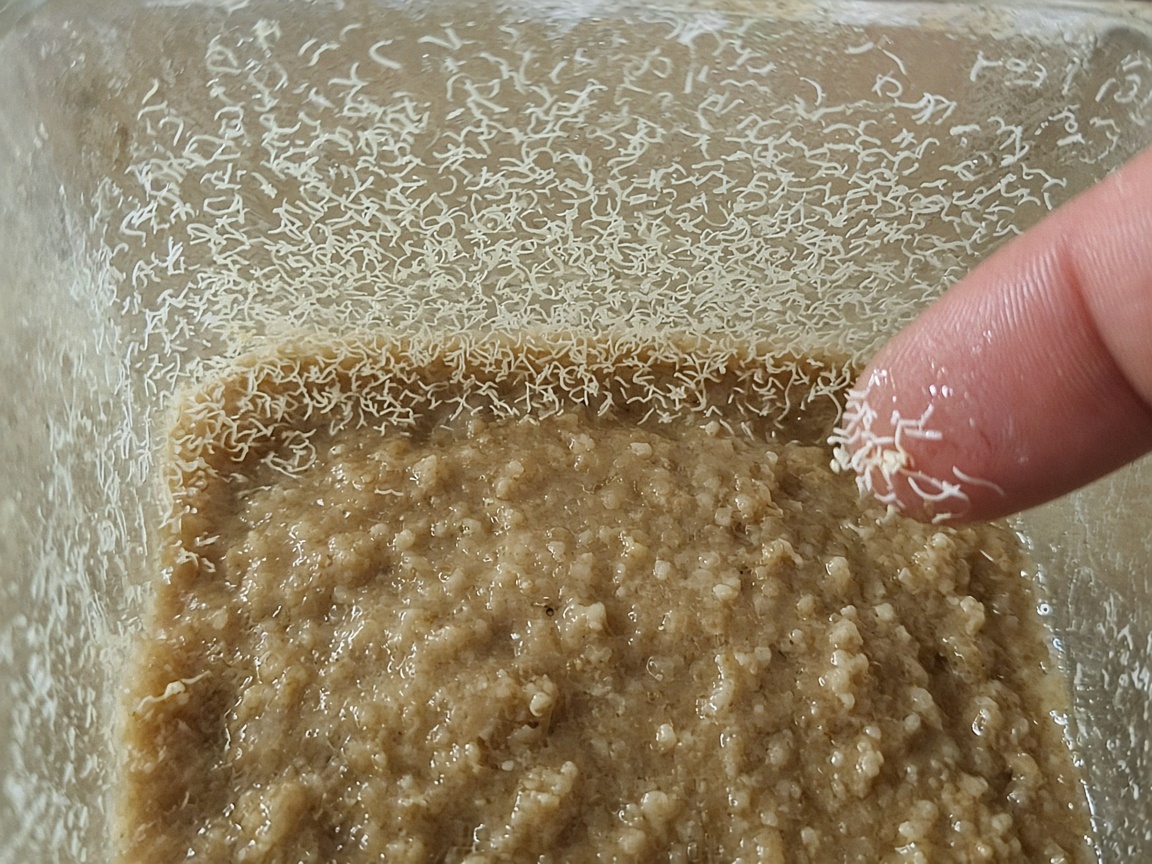
Microworms climbing the wall of a culture tub, harvested with a fingertip

Microworms

In stock

Panagrellus redivivus

The go-to first food for betta, gourami, tetra and cory fry

Size±1–3 mm
Culture mediumOats / instant porridge paste
Temperature18–27 °C (room temperature)
DifficultyVery easy

R50 · 15 ml starter culture
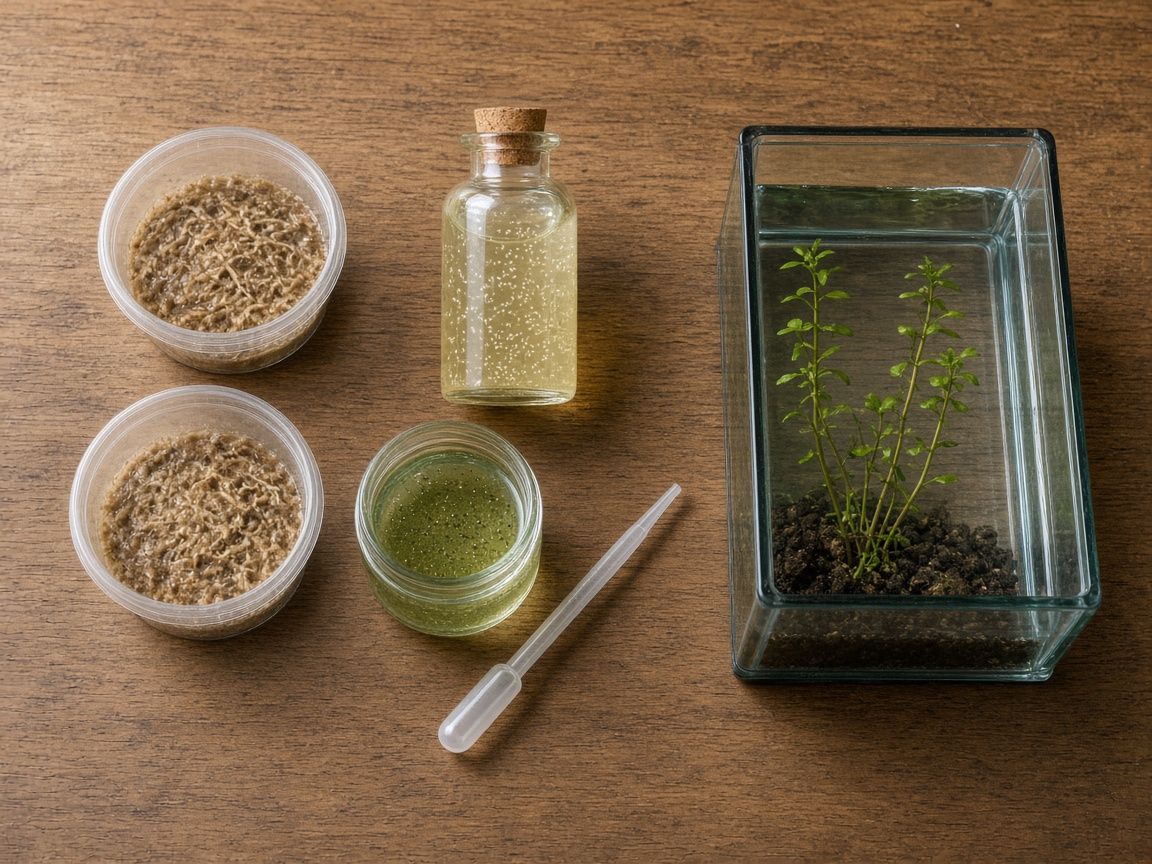
Fry starter kit with culture tubs, a daphnia (moina) jar and pipette beside a fry tank

Fry Starter Kit

In stock

All four fry cultures in one parcel

Every fry size covered, from first bite to grow-out, in one courier parcel

IncludesDaphnia (moina), microworms, banana worms, vinegar eels
Culture mediaWater tub (moina) + oats paste (worms & eels)
TemperatureRoom temperature (moina warmest, 20–30 °C)
DifficultyVery easy

R200 · 4-culture bundle

Feeding gourami fry? Get the culture right first time.

Tell us your setup and town on WhatsApp — we will confirm which cultures you need, what is in stock, and the exact delivered price.

Ask about gourami fry food on WhatsApp

More species guides

Live food for bettas · Food for betta fry · Food for guppy fry · Live food for guppies · All species →

Order on WhatsApp