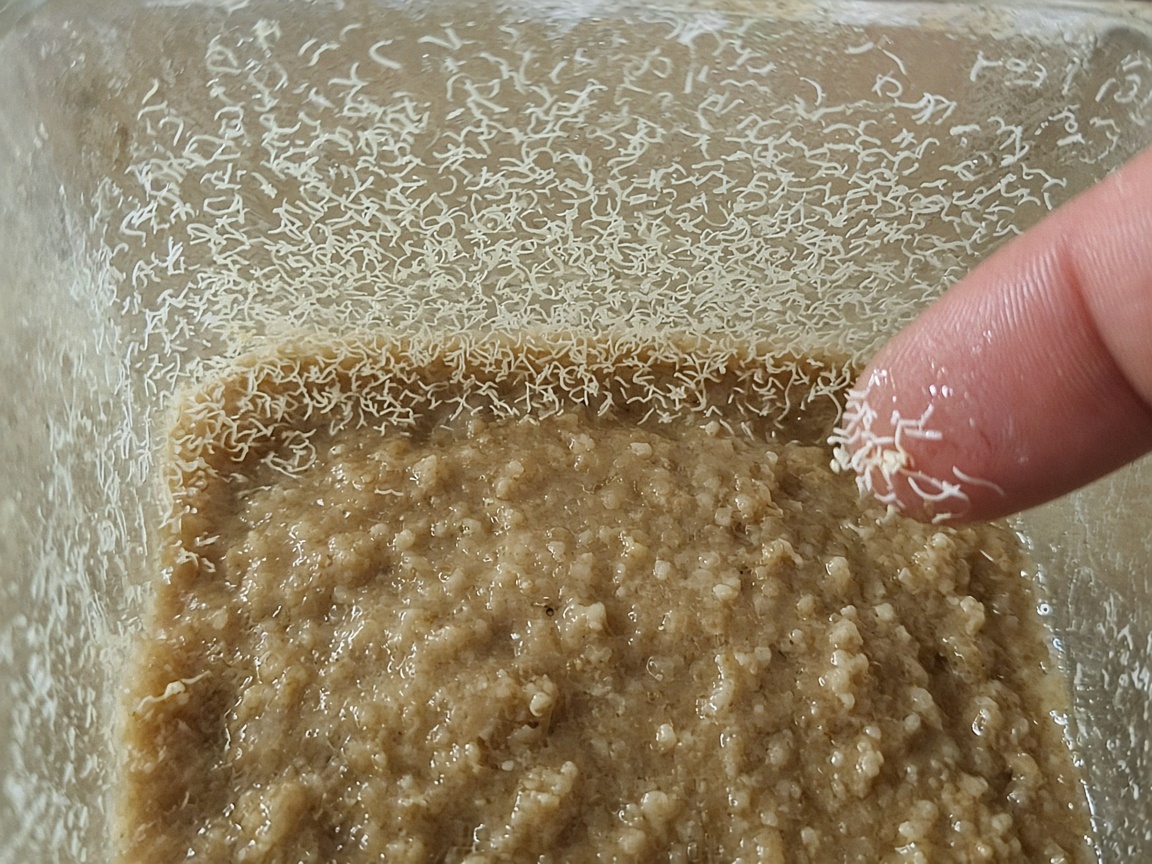
Microworms
In stockPanagrellus redivivus
The go-to first food for betta, gourami, tetra and cory fry
Size±1–3 mm
Culture mediumOats / instant porridge paste
Temperature18–27 °C (room temperature)
DifficultyVery easy
R50 · 15 ml starter culture
Fry feeding guide
Killifish fry are born further along than most — many hatch able to take microworms within hours — but they grow at wildly uneven rates, and the fry tank’s real management problem is that last week’s fry eats this week’s. Live food in constant supply is both the growth engine and the peace treaty.
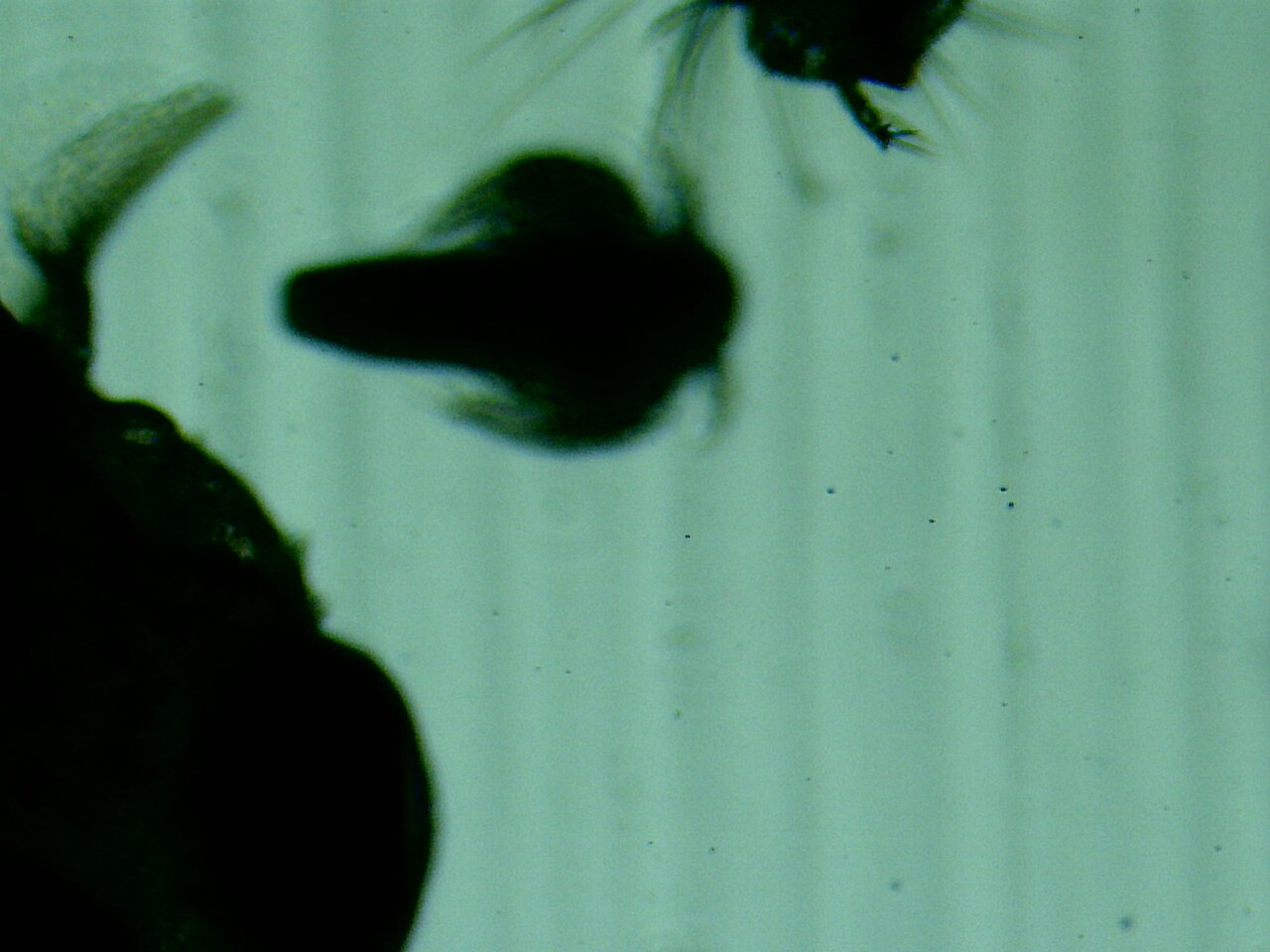
Photo: Andrew Bogott, Wikimedia Commons, CC BY-SA 4.0
| Stage | Feed this | Why it works |
|---|---|---|
| Hatch day | Microworms (vinegar eels for the smallest species) | Most killifish fry (Nothobranchius especially) hatch hunting; tiny Aphyosemion and lamp-eye fry start safer on eels |
| Weeks 1–3 | Microworms + newborn daphnia / moina | Introduce baby moina early — the fry that graduate first grow explosively, which is your cue to grade |
| Weeks 3–6 | Adult moina + young grindal worms | Meaty growth food as juveniles sex out; keep daphnia running constantly so smaller siblings always find a size that fits |
| Young adults | Join the adult killifish plan | Daphnia and grindal in rotation conditions the next generation of spawners |
Microworms from hatch for most species (vinegar eels first for the tiniest), newborn daphnia (moina) from week 1–2, then adult moina and young grindal worms. Keep a size of food available for every size of fry.
Usually their siblings. Killifish grow at very uneven rates and big fry eat small fry. Grade by size weekly and keep live daphnia in the tank constantly so hunting is aimed at food, not brothers.
In stock in the Western Cape, dispatched Monday to Wednesday, door-to-door across South Africa.
Panagrellus redivivus
The go-to first food for betta, gourami, tetra and cory fry
R50 · 15 ml starter culture
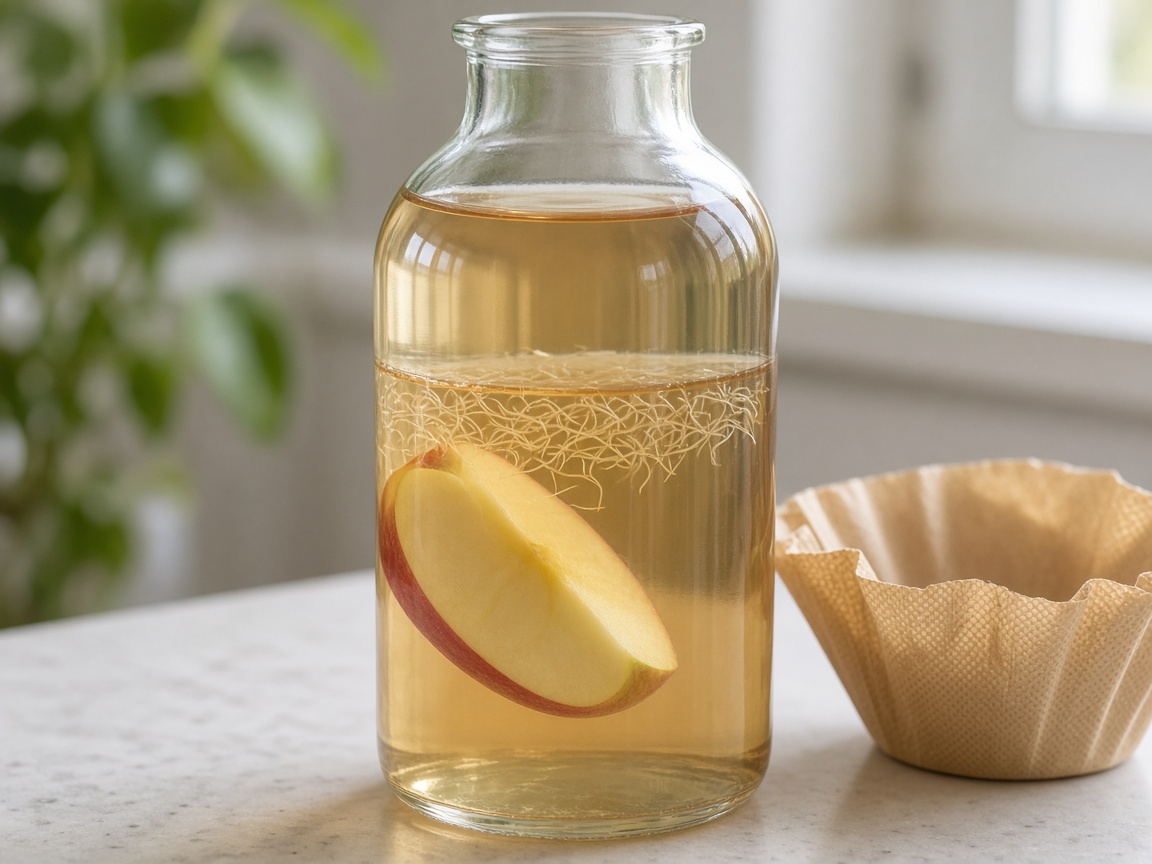
Turbatrix aceti
The tiniest first food — cultured on oats, despite the name
R50 · 15 ml starter culture
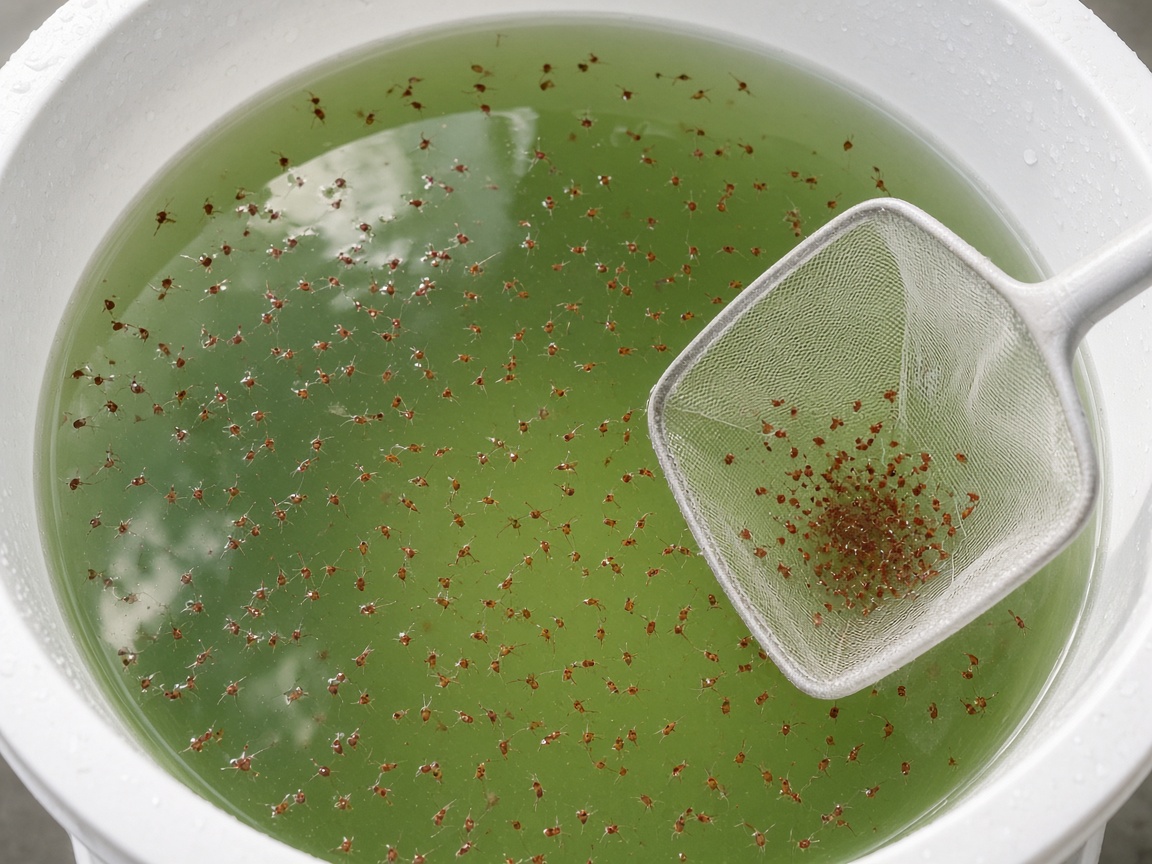
Moina sp.
The small “daphnia” that suits fry and small fish — and breeds fast in warm water
R50 · starter culture
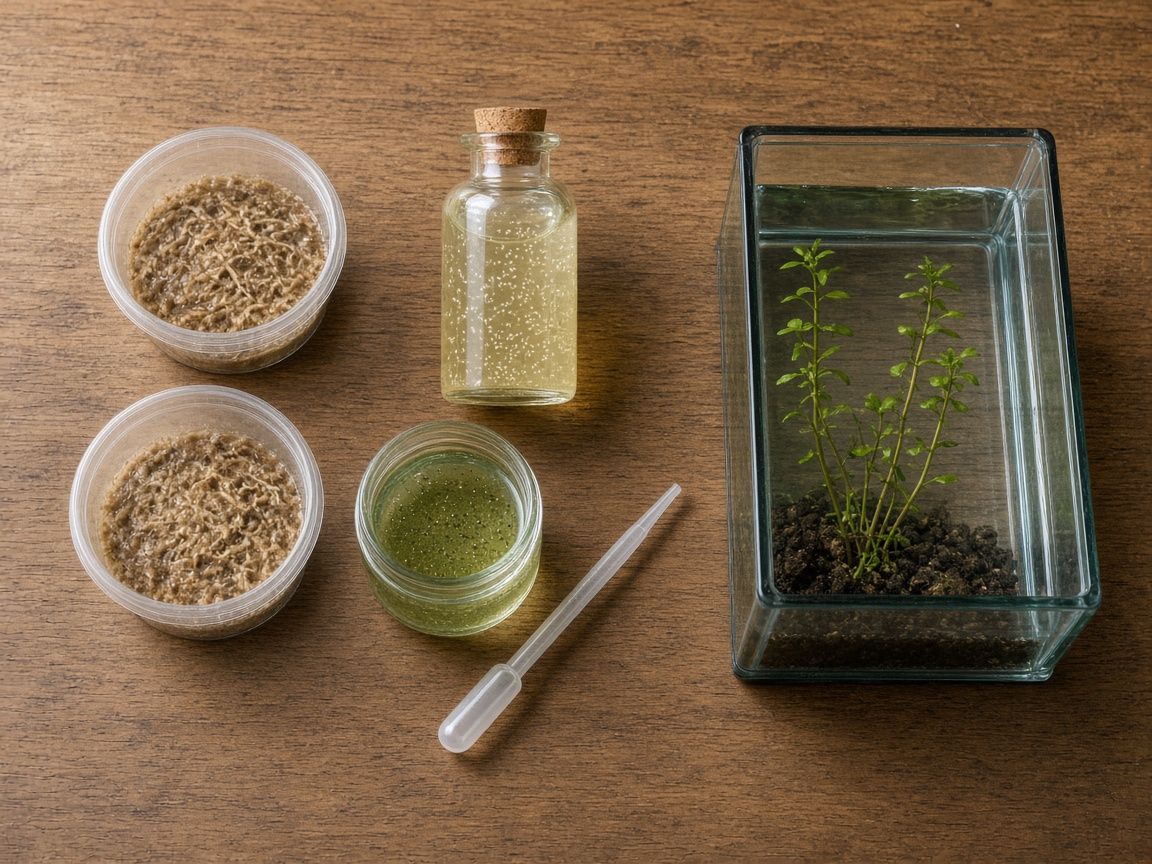
All four fry cultures in one parcel
Every fry size covered, from first bite to grow-out, in one courier parcel
R200 · 4-culture bundle
Tell us your setup and town on WhatsApp — we will confirm which cultures you need, what is in stock, and the exact delivered price.
Ask about killifish fry food on WhatsAppLive food for bettas · Food for betta fry · Food for guppy fry · Live food for guppies · All species →