Species feeding guide

Live food for rasboras

Rasboras are the nano-tank’s schooling fish — and nano mouths need nano food. Adults hunt small crustaceans all day in the wild, so moina-sized daphnia is a perfect staple-size live feed, while their fry start smaller than most keepers expect and need the worm-and-eel end of the culture shelf.

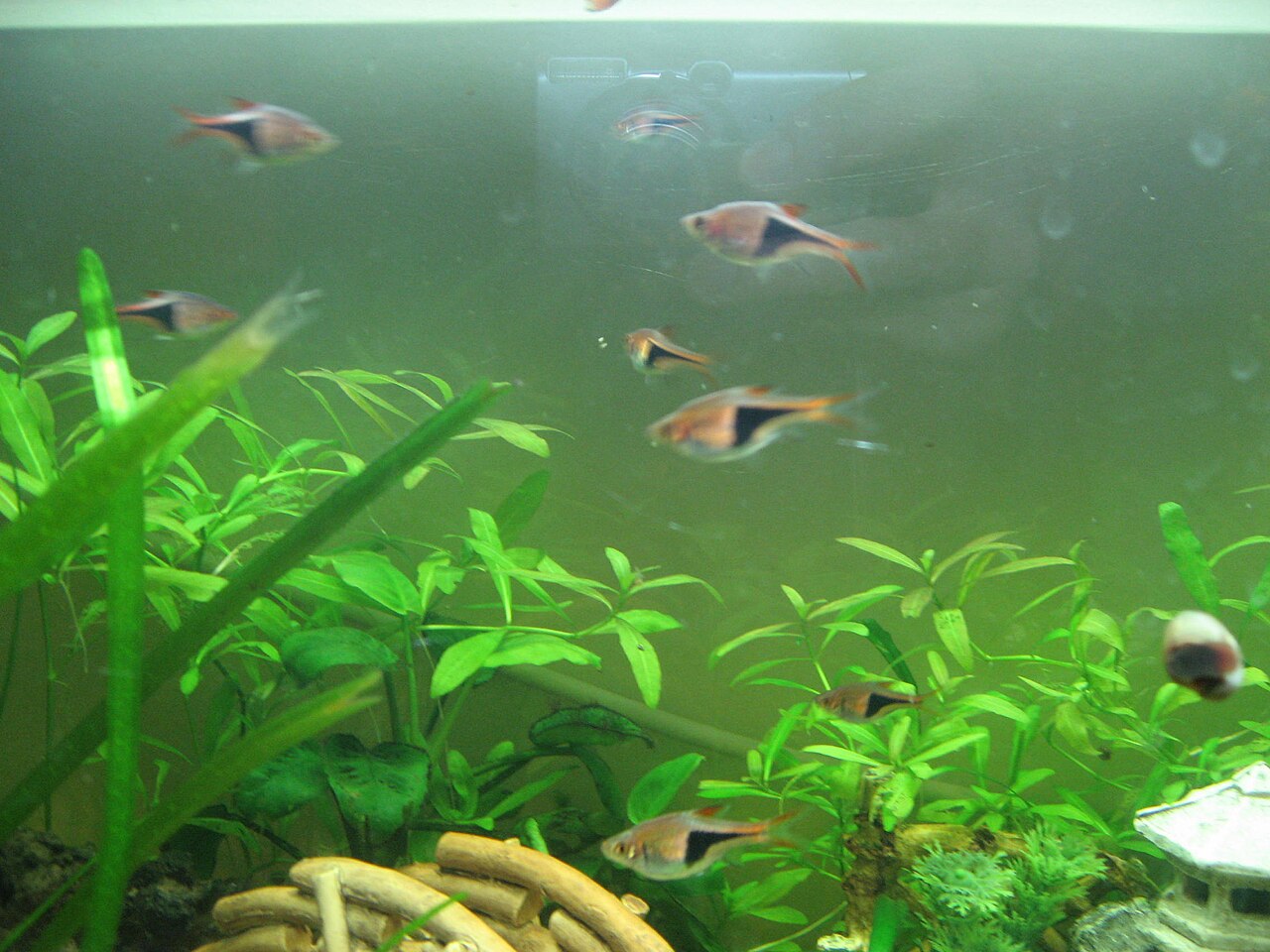
Harlequin rasboras schooling in a planted aquarium

Photo: Tucsouffle, Wikimedia Commons, CC BY 2.5

The feeding plan

StageFeed thisWhy it works
Adults, regular feedingLive daphnia (moina), a few times a weekAdult moina (±1–1.5 mm) fits even chilli and dwarf rasbora mouths; hunting a scattered feed is the behaviour these fish are kept for
Conditioning for spawningDaphnia + microworms in rotation for 1–2 weeksHarlequins and lambchops spawn far more readily on live food; females visibly fill out
Fry, first weekVinegar eelsRasbora fry are tiny; eels swim at the surface film where the fry hunt and stay alive between feeds
Fry, weeks 2–4Microworms, then newborn moinaThe size ladder up to the growth phase — keep both running so the smallest fry are never stranded

Practical tips

  • Scatter daphnia across the tank rather than in one spot — a whole school hunting at once is the rasbora display at its best.
  • For breeding harlequins, feed live food and keep up soft, clean water; they spawn under broad leaves when conditioned.
  • Pencilfish (sold alongside rasboras) feed identically — small moina for adults, eels and microworms for fry.
Watch out: Do not judge feeding by the boldest fish. In a rasbora school the shy ones hang back; scatter food widely and watch the whole school’s bellies, not the front row.

Common questions

What do rasbora fry eat?

Vinegar eels for the first week — small enough and swimming where fry hunt — then microworms, graduating to newborn daphnia (moina) from about week 3.

Is daphnia too big for rasboras?

True Daphnia magna can be, which is why ours is moina: adults are ±1–1.5 mm and newborns much smaller, suiting even dwarf and chilli rasboras.

How often should rasboras get live food?

Two to four small live feeds a week alongside a nano pellet or crushed staple keeps colour and behaviour at their best; condition daily for 1–2 weeks before a spawning attempt.

Start these cultures

In stock in the Western Cape, dispatched Monday to Wednesday, door-to-door across South Africa.
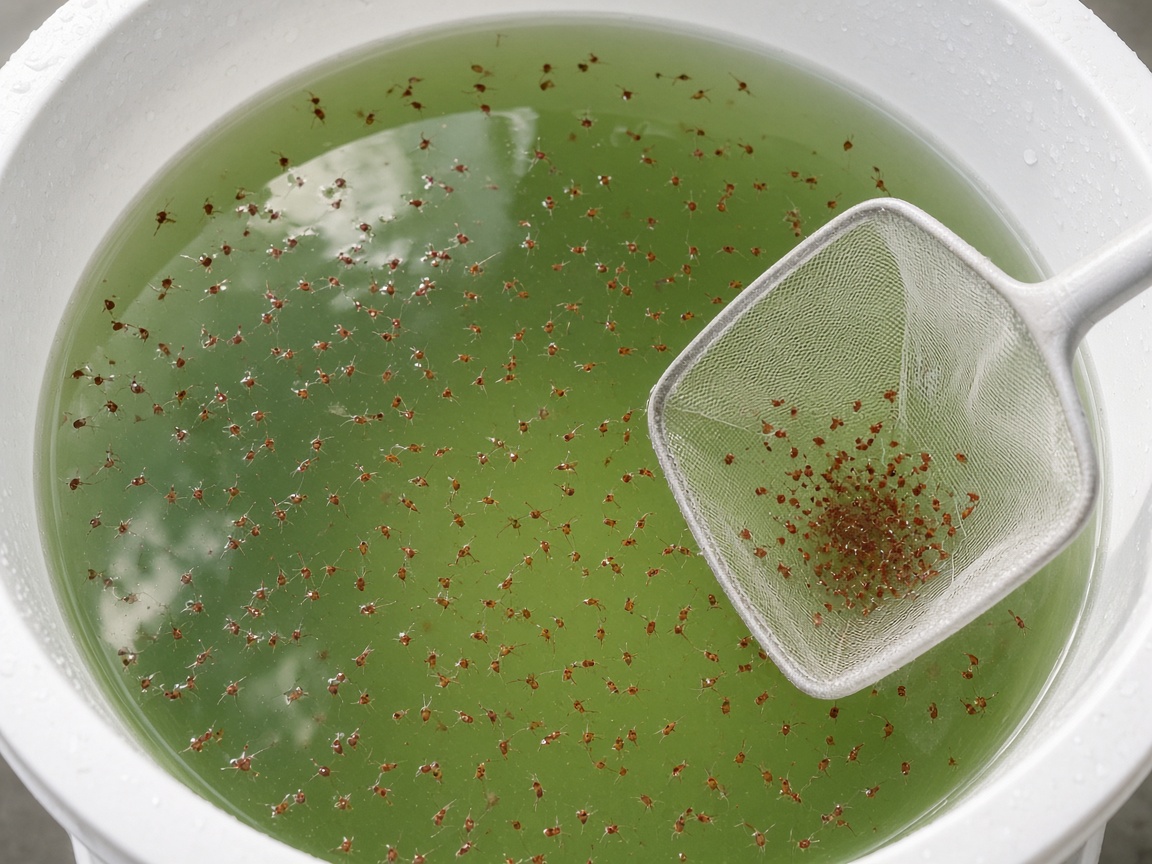
Live daphnia (moina) being harvested with a fine net from a green culture tub

Daphnia (Moina)

In stock

Moina sp.

The small “daphnia” that suits fry and small fish — and breeds fast in warm water

Size±0.4–1.5 mm (adults ±1–1.5 mm)
Temperature20–30 °C (fastest at 24–28 °C)
FoodGreen water, yeast, spirulina
DifficultyModerate — keep a backup culture

R50 · starter culture

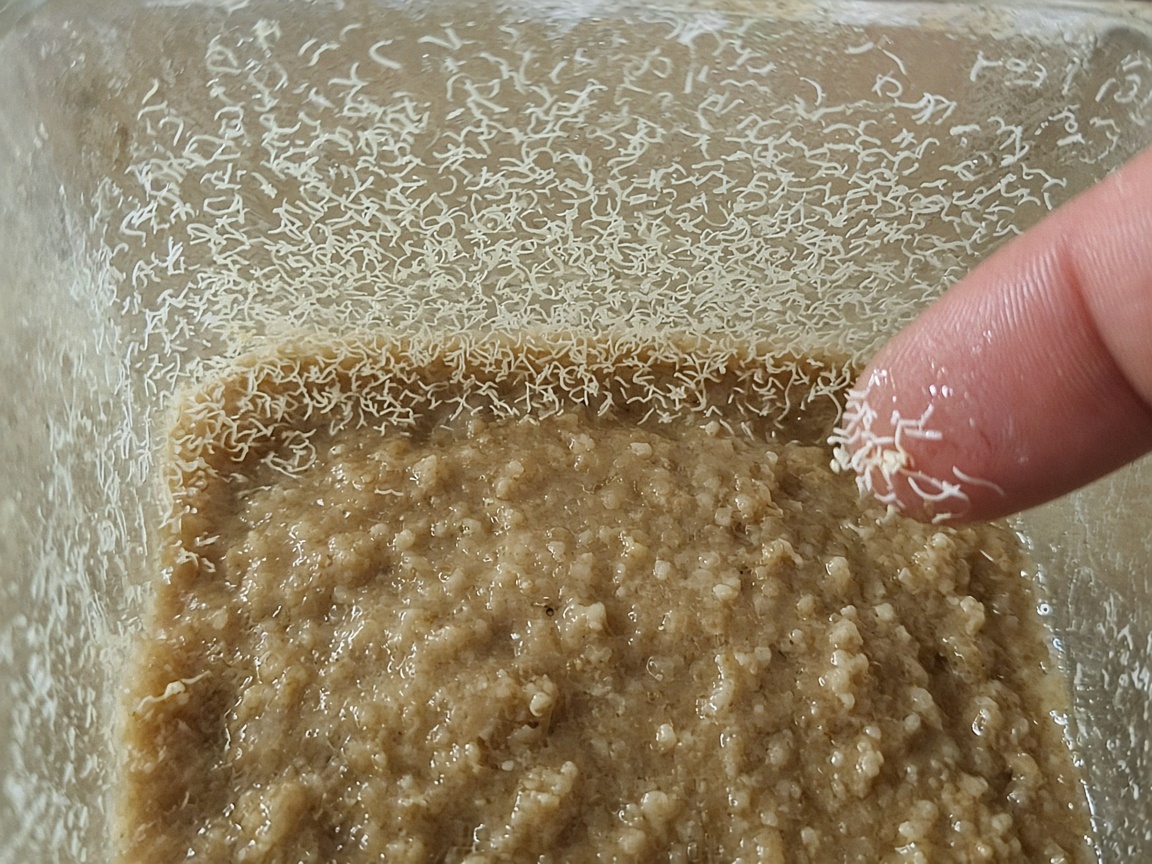
Microworms climbing the wall of a culture tub, harvested with a fingertip

Microworms

In stock

Panagrellus redivivus

The go-to first food for betta, gourami, tetra and cory fry

Size±1–3 mm
Culture mediumOats / instant porridge paste
Temperature18–27 °C (room temperature)
DifficultyVery easy

R50 · 15 ml starter culture

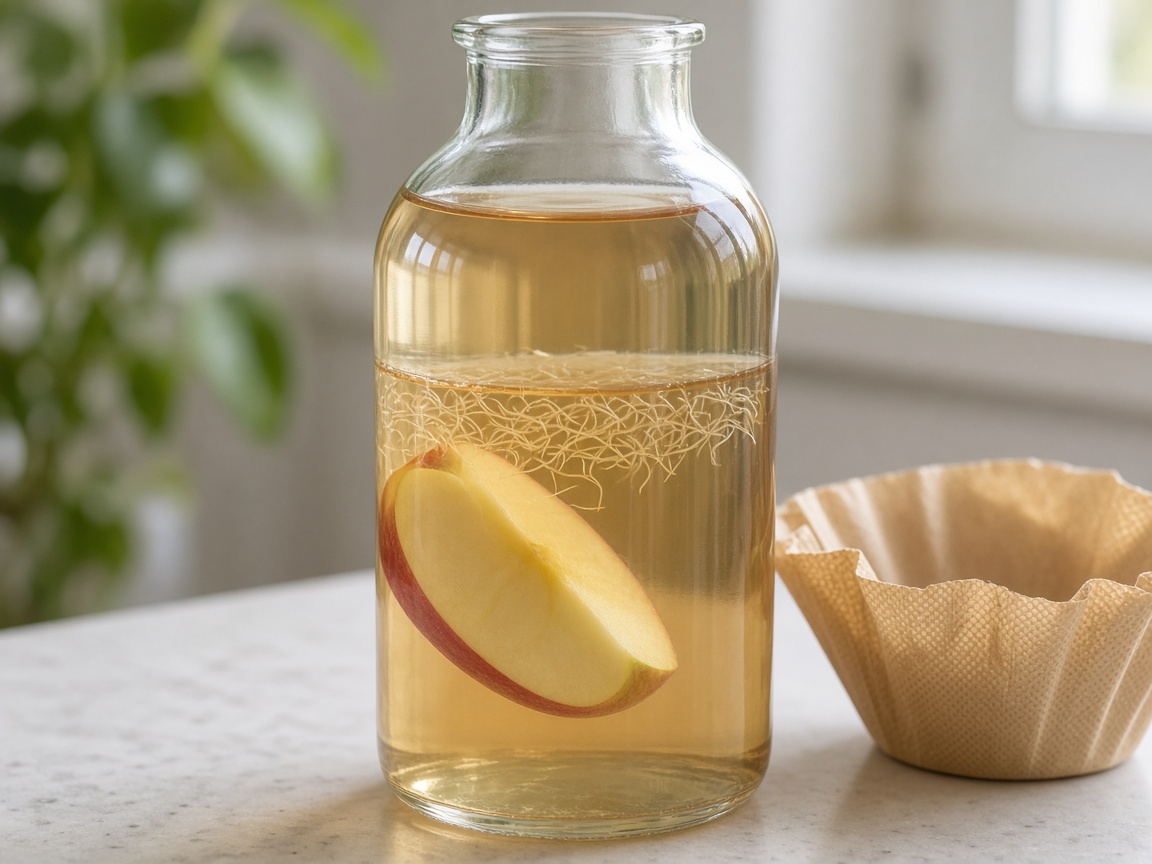
Vinegar eel starter culture tub

Vinegar Eels

In stock

Turbatrix aceti

The tiniest first food — cultured on oats, despite the name

Size±0.3–2 mm
Culture mediumOats / instant porridge paste (like microworms)
Temperature18–27 °C (room temperature)
DifficultyVery easy

R50 · 15 ml starter culture

Feeding rasboras? Get the culture right first time.

Tell us your setup and town on WhatsApp — we will confirm which cultures you need, what is in stock, and the exact delivered price.

Ask about rasboras food on WhatsApp

More species guides

Live food for bettas · Food for betta fry · Food for guppy fry · Live food for guppies · All species →

Order on WhatsApp