How to make green water at home (South African sun edition)
Green water — water turned pea-soup green by free-floating algae — is the food daphnia and moina cultures run best on, the first food many fry graze in, and the thing overseas guides make sound complicated because their sun is weak and their summers are short. Ours is neither. If you can keep a bucket outside in South Africa, you can make green water. Here are the three methods that actually work, in order of laziness.
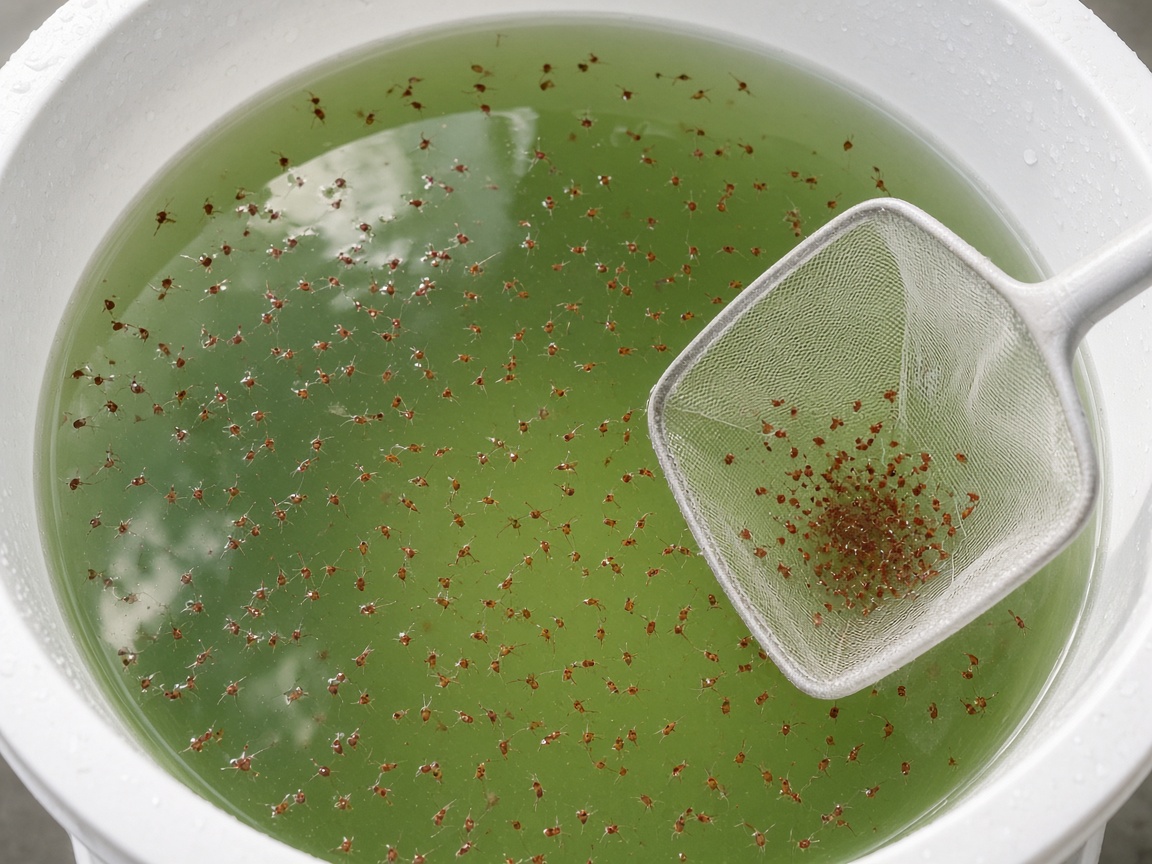
Method 1: Sun, old tank water and patience (the free one)
Fill a light-coloured bucket or tub with old aquarium water (water-change water is perfect — it comes pre-loaded with nutrients and algae spores), stand it in full sun, and wait. In summer you will see a green tint in 3–5 days and soup within two weeks. Stir daily if you remember; don’t if you don’t. This is the method our own cultures lean on, because the input cost is a water change you were doing anyway.
Method 2: Feed the bloom (the faster one)
- Start as above, then feed the water, not the fish: a pinch of general garden fertiliser, a splash of liquid plant food, or a few drops of the water from a boiled-vegetable pot all push algae growth.
- A small piece of lettuce or a banana peel, removed before it rots, is the old-school version and works just as well.
- Go easy: the goal is green water, not a bacterial swamp. If it smells like a drain, you overdid it — dilute with old tank water and start the feed smaller.
Method 3: The dedicated culture tub (the reliable one)
Keep one tub whose only job is green water: sunlight, old tank water top-ups, and a weekly harvest-and-refill rhythm. Seed it from your first successful bucket. A dedicated tub smooths out the boom-bust of the casual methods and means there is always food when the moina tub needs it. Keep a lid of shade cloth over it if birds or dust are a problem, and never let anyone spray insecticide anywhere near it.
Feeding with green water (and the winter note)
Add green water to the daphnia/moina tub until the water takes a faint green tint — then stop. Feed again when it clears. That tint is your measuring jug: visible green means food present, clear means feed, milky-white means you have a bacterial bloom instead (water-change, feed less, wait). In a Cape winter the outdoor tub slows right down; bring a small green-water bottle or tub onto a sunny windowsill indoors so the food supply survives until spring, exactly as you would a backup culture.